
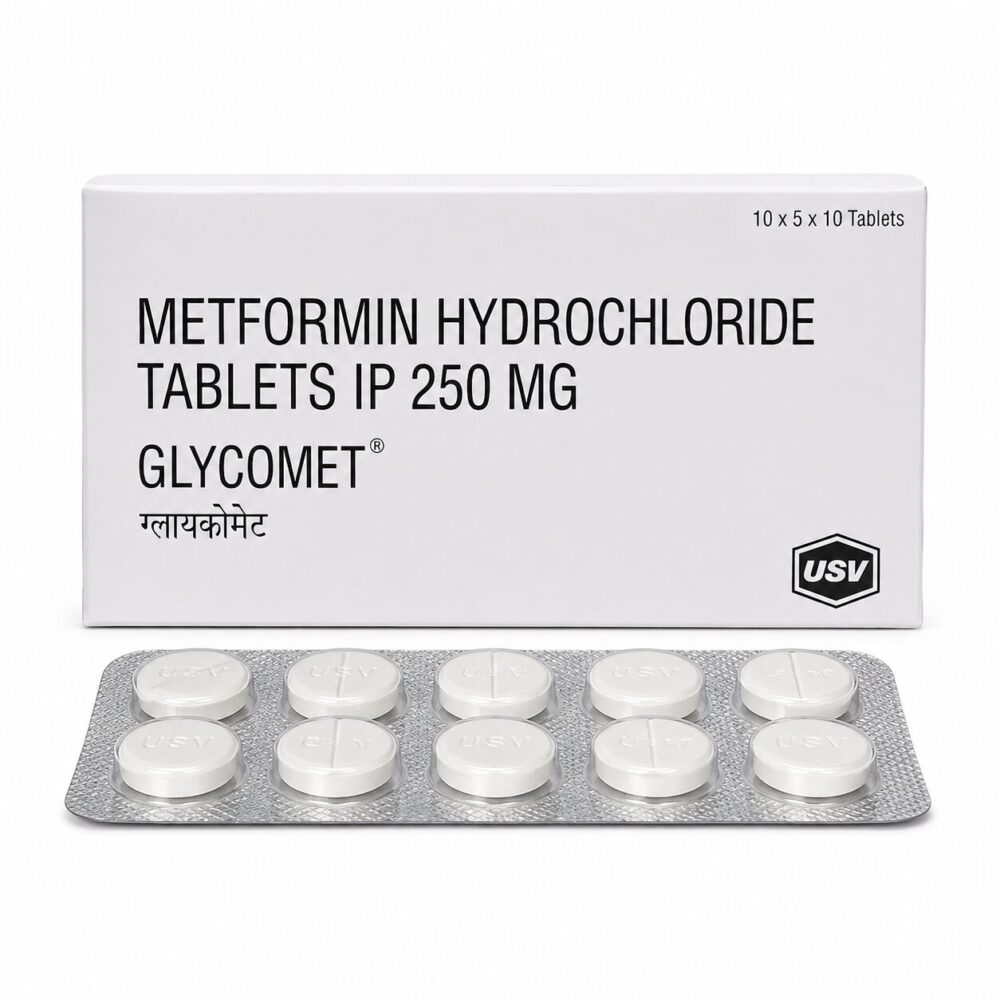
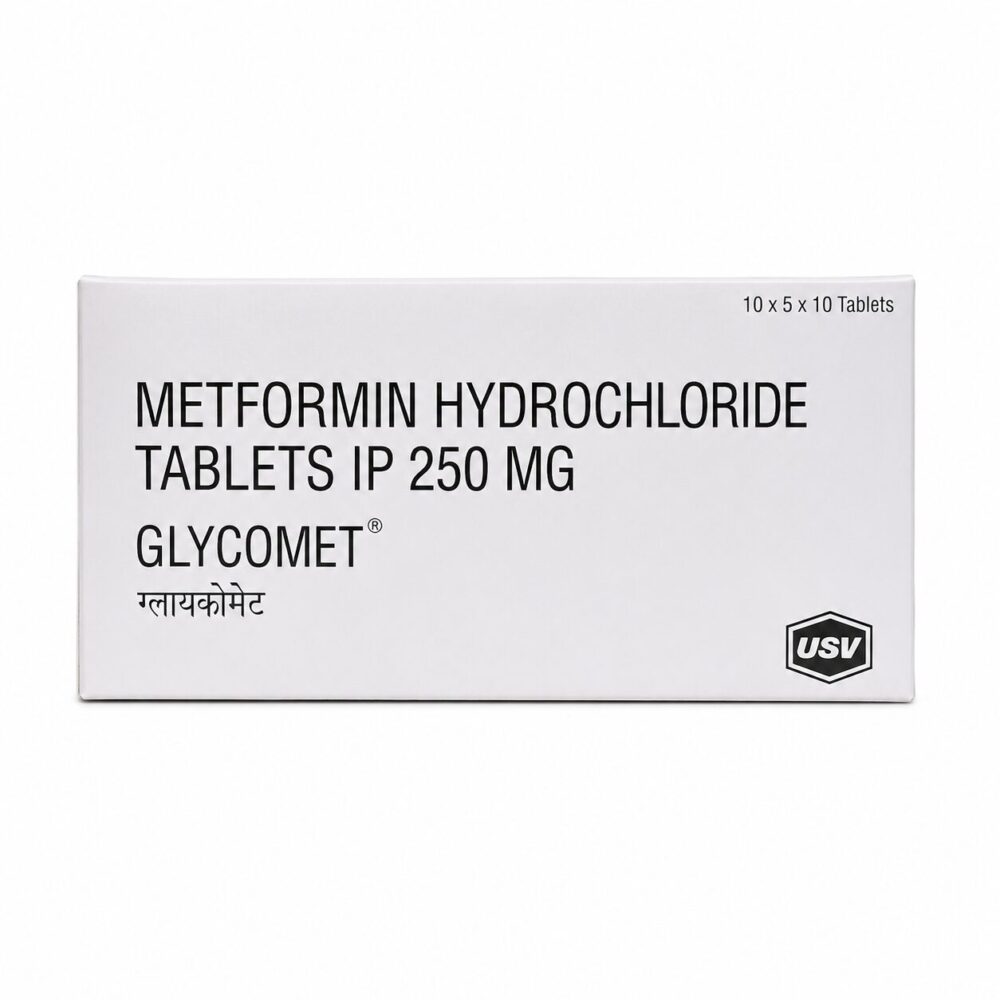
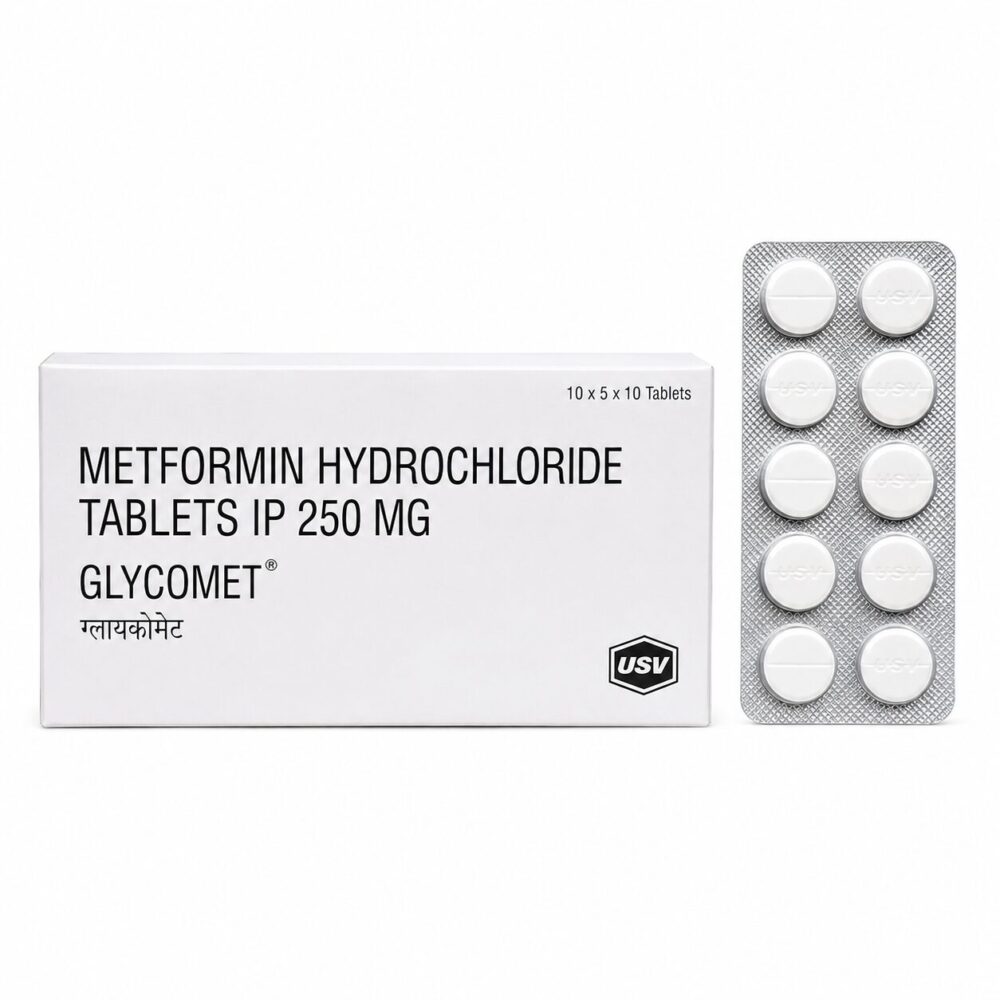
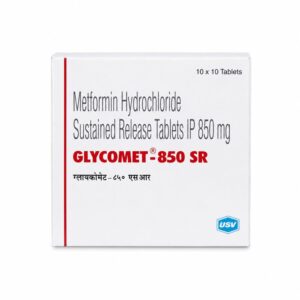
Glycomet 250 mg (Metformin)
| Active Ingredients | Metformin |
| Strength | Metformin 250 mg |
| Dosage Form | Tablet |
| Therapeutic Category | Type 2 diabetes |
| Manufacturer | USV Pvt Ltd. |
| Packaging | 10 tablets in 1 strip |
| Storage Conditions | Cool and dry place |
| Packaging Type | Plain and discreet |
| Pack Size | Price/Unit | Price | Quantity | |
|---|---|---|---|---|
| 100 Tablet/s | $0.50 | $50.00 | ||
| 200 Tablet/s | $0.45 | $90.00 | ||
| 300 Tablet/s | $0.43 | $130.00 | ||
| 500 Tablet/s | $0.38 | $190.00 |
Price range: $50.00 through $190.00
What Is Glycomet 250 mg?
Glycomet 250 mg is an oral anti-diabetic tablet used to control high blood sugar levels in adults and certain children diagnosed with type 2 diabetes. Metformin Hydrochloride, the active ingredient present in the tablet, supports improved glucose handling inside the body and lowers excess sugar release from the liver.
Lower-strength Metformin tablets are often selected during the beginning of treatment or while adjusting dosage schedules. Digestive discomfort can occur when starting Diabetes Medicines, so many doctors prefer gradual dose increases.
Glycomet 250 mg fits well in such treatment plans because the strength allows flexible dose adjustment depending on blood sugar readings, meal patterns, age, and overall tolerance.
Stable sugar control helps reduce long-term diabetes-related complications linked with eyes, kidneys, nerves, and blood vessels. Regular monitoring, balanced meals, and physical activity still remain a major part of diabetes care alongside medicine use.
Uses Of Glycomet 250 mg
Glycomet 250 mg is prescribed for:
- Type 2 diabetes mellitus
- Blood sugar management alongside diet and exercise
- Insulin resistance-related conditions
- Polycystic Ovary Syndrome (PCOS) in selected cases
- Combination diabetes therapy with other anti-diabetic medicines
It may also include Metformin-based therapy in combination treatment plans where a single medicine alone does not maintain healthy glucose levels.
How Glycomet 250 mg Helps Control Blood Sugar
Metformin mainly lowers excess glucose production occurring inside the liver. Along with that, body tissues become more responsive to insulin already present in the body. Better insulin sensitivity allows glucose to move from blood into cells more efficiently.
Another useful effect involves lower glucose absorption from food after meals. Due to these combined actions, fasting sugar and post-meal sugar levels may gradually improve with regular use. Unlike certain diabetes medicines, Metformin generally does not trigger sudden insulin spikes, which is one reason many diabetes treatment plans begin with this medicine.
Results vary depending on eating habits, body weight, physical activity, stress levels, and consistency of medicine use. Blood sugar monitoring helps track how well the treatment is working over time.
Benefits Of Glycomet 250 mg
- Helps lower elevated blood sugar levels
- Supports long-term diabetes management
- Useful for early-stage type 2 diabetes treatment
- Lower strength suitable during dose adjustment phase
- Can be combined with other anti-diabetic medicines
- Often preferred for insulin resistance management
- Suitable for extended diabetes treatment plans
Directions For Use
Glycomet 250 mg tablets are generally swallowed whole with water. Crushing or chewing the tablet may increase stomach discomfort in some individuals. Many doctors suggest taking the medicine after meals because food can help reduce digestive irritation linked with Metformin.
Maintaining a fixed daily timing supports better treatment consistency. Skipping meals while taking anti-diabetic medicines may disturb blood sugar balance, especially when multiple diabetes medicines are being used together.
Changes in dosage are usually based on blood sugar reports, kidney function, tolerance level, and treatment response.
Recommended Dosage Information
Dosage differs from one person to another. Early-stage diabetes treatment often begins with lower strengths to minimize stomach-related side effects. Some treatment plans later shift toward higher strengths or sustained-release variants depending on glucose control.
Children above a certain age, adults, and elderly individuals may all receive different dose schedules. Kidney function testing is commonly reviewed before dosage adjustments because Metformin clearance depends heavily on renal function.
Missed doses should be taken when remembered unless the next scheduled dose is near. Double dosing to compensate for a missed tablet may increase unwanted effects.
Side Effects Of Glycomet 250 mg
Common Side Effects
- Nausea
- Vomiting
- Loose stools
- Abdominal discomfort
- Metallic taste in mouth
- Loss of appetite
- Gas or bloating
- Mild weakness
Digestive side effects appear more frequently during the initial days of therapy and often settle gradually as the body adjusts to the medicine.
Rare But Serious Side Effects
- Lactic acidosis
- Severe weakness
- Breathing difficulty
- Muscle pain
- Extreme tiredness
- Irregular heartbeat
Unusual symptoms linked with severe weakness, rapid breathing, or confusion deserve immediate medical attention because rare lactic acid buildup can become serious if ignored.
Warning And Precautions
Kidney Problems
Reduced kidney function increases the risk of Metformin accumulation inside the body. Blood tests linked with kidney health are often checked before and during long-term treatment.
Liver Disorders
Severe liver disease may increase the chance of metabolic complications. Liver-related illness should be discussed before beginning treatment.
Alcohol Consumption
Heavy alcohol intake may disturb glucose balance and raise the risk of lactic acidosis. Frequent alcohol use during diabetes treatment is generally discouraged.
Pregnancy And Breastfeeding
Pregnancy-related diabetes management differs from routine type 2 diabetes care. Treatment choice during pregnancy or breastfeeding depends on medical evaluation and glucose control needs.
Elderly Patients
Older adults may require lower doses and more frequent kidney monitoring because renal function naturally declines with age.
Drug Interactions
Certain medicines can affect how Glycomet 250 mg performs or may increase side effect risk. Sharing a complete medication list before starting treatment helps reduce avoidable complications.
Medicines That May Interact
- Insulin
- Sulfonylureas
- Diuretics
- Corticosteroids
- Blood pressure medicines
- Contrast dye used in scans
- Asthma medicines
- Painkillers like ibuprofen
- Rifampicin
- Verapamil
Temporary stopping of Metformin may sometimes be advised before contrast imaging procedures involving iodine dye.
When Glycomet 250 mg Should Not Be Used
Avoid Glycomet 250 mg in situations such as:
- Severe kidney disease
- Severe liver disease
- History of lactic acidosis
- Allergy to Metformin
- Severe dehydration
- Serious infection
- Uncontrolled diabetes emergencies
- Severe heart failure
Medical history plays an important role before beginning anti-diabetic therapy.
Frequently Asked Questions (FAQs)
Glycomet 250 mg is mainly used for controlling blood sugar levels in type 2 diabetes mellitus. Some treatment plans may also include it for insulin resistance and PCOS-related metabolic concerns.
Yes, many doctors prefer giving Metformin tablets after meals because stomach-related side effects become easier to tolerate that way.
Metformin is generally not linked with major weight gain. Some individuals may even notice mild weight reduction alongside dietary changes and exercise.
Many people remain on Metformin-based treatment for years as part of diabetes management. Kidney function and vitamin B12 levels may need periodic monitoring during extended use.
Yes, combination treatment involving insulin and Metformin is fairly common in diabetes management when blood sugar targets are not achieved with one medicine alone.
Take the missed tablet when remembered unless the next dose timing is close. Two doses together are generally avoided.
Nausea, loose motions, gas, and abdominal discomfort are among the more common early side effects linked with Metformin treatment.
Both medicines contain Metformin Hydrochloride as the active ingredient. Glucophage is one of the internationally recognized brand equivalents.
| Pack Size | 100 Tablet/s, 200 Tablet/s, 300 Tablet/s, 500 Tablet/s |
|---|---|
| Price/Unit | $0.38, $0.43, $0.45, $0.50 |
Related products
- + wishlist+ compare
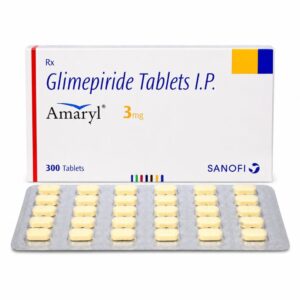
Amaryl 3 mg (Glimepiride Tablet)
Price range: $110.00 through $215.00Select options
There are no reviews yet.