
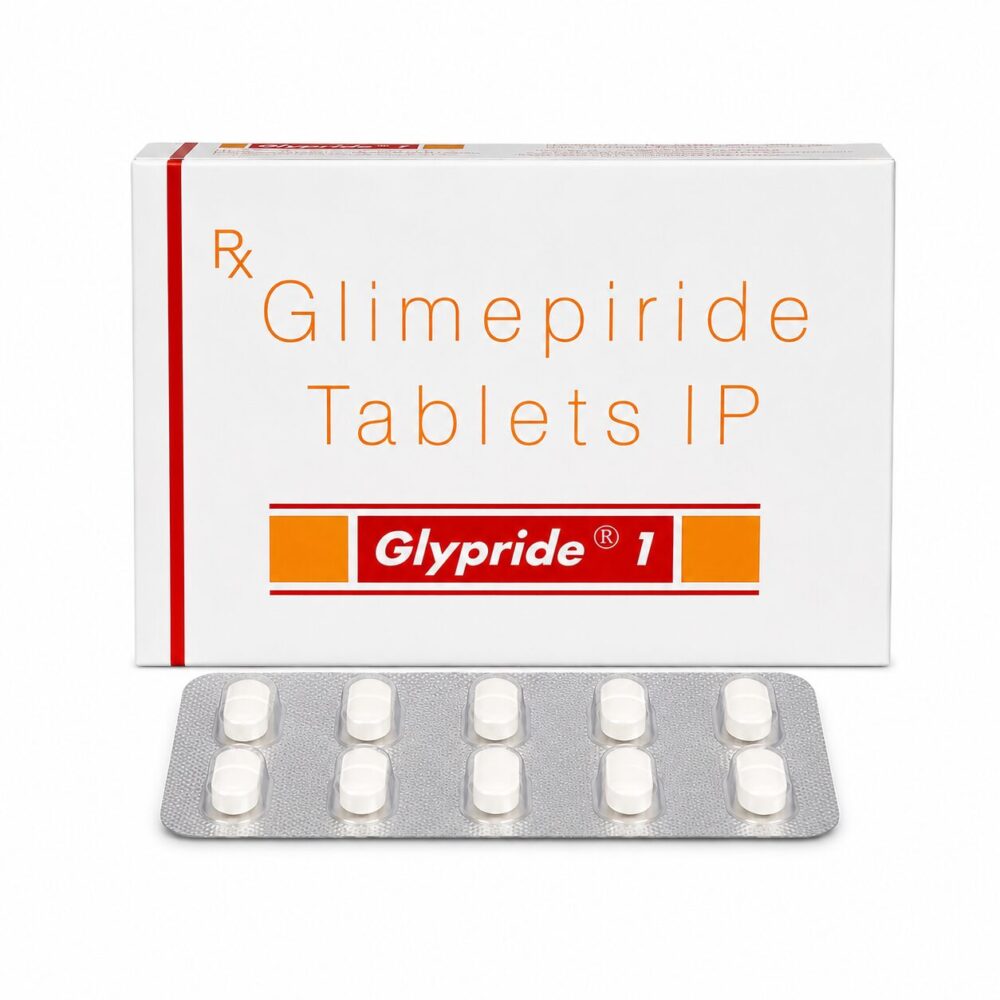
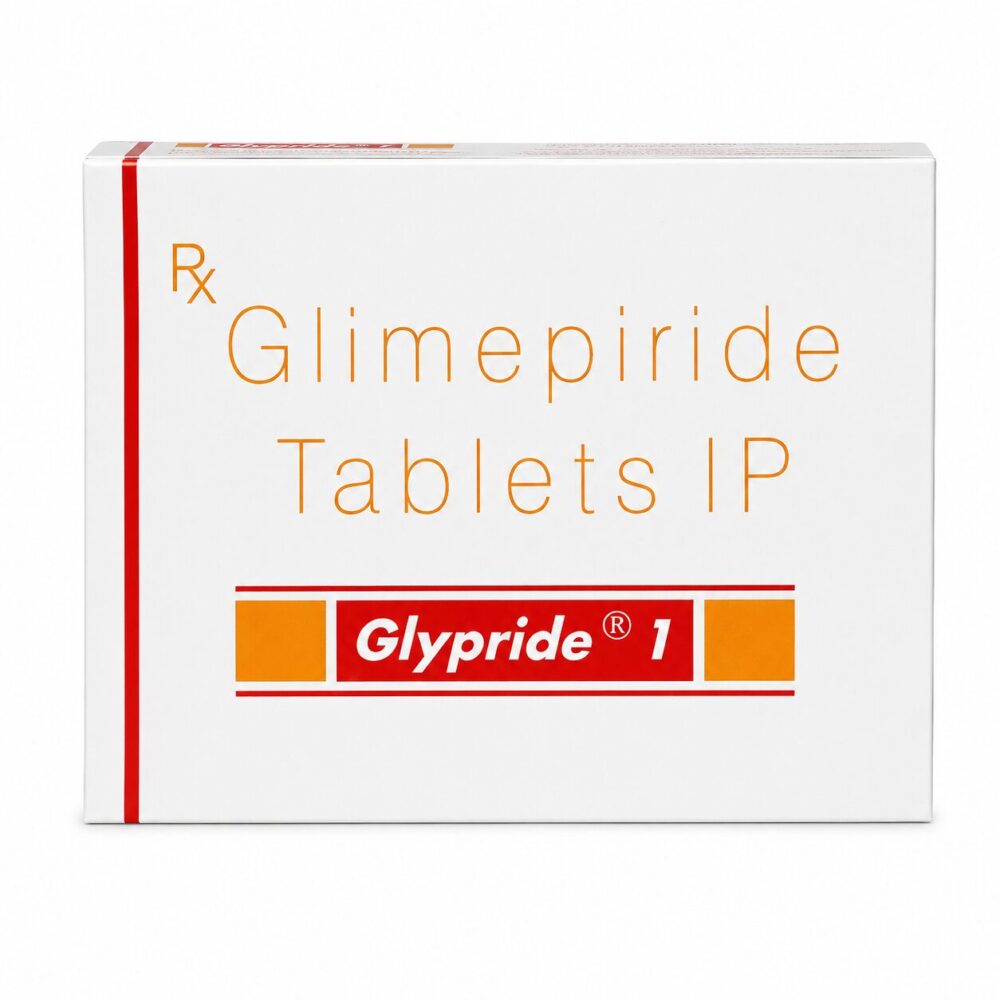
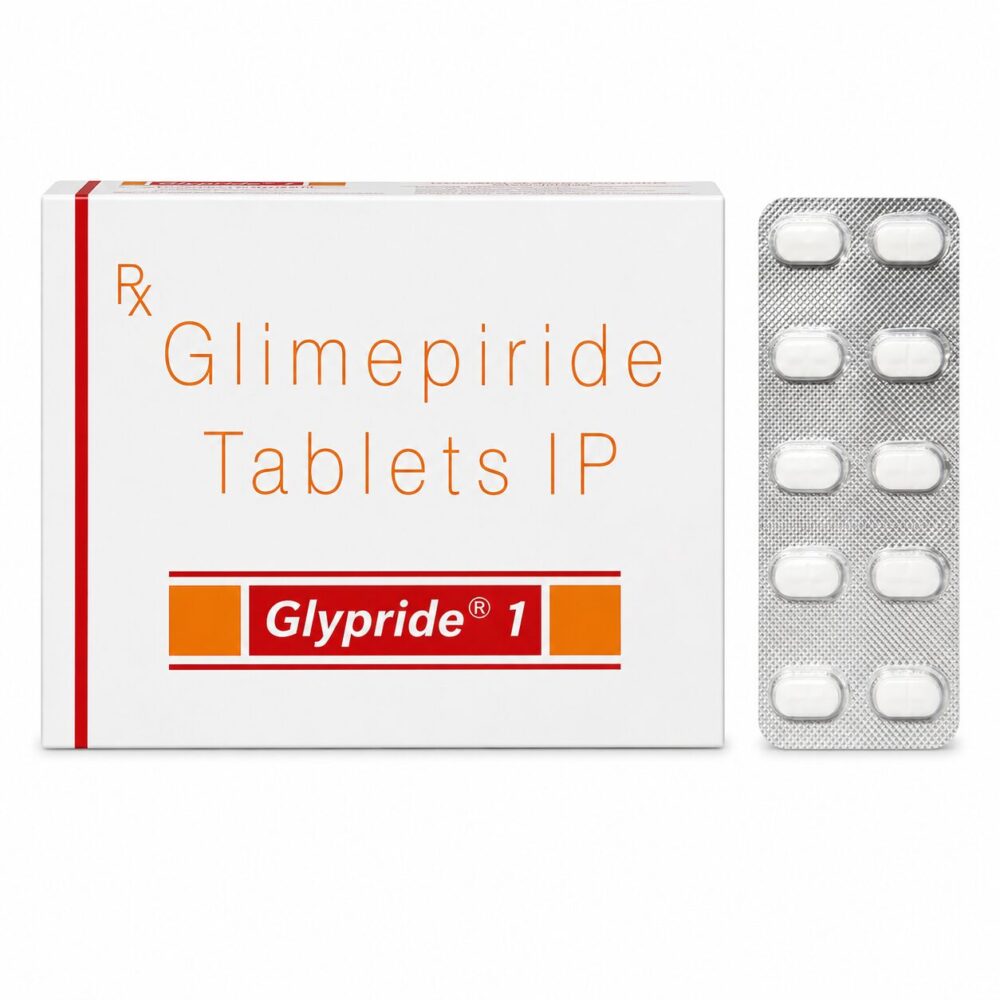
Glypride 1 mg (Glimepiride)
| Active Ingredients | Glimepiride |
| Strength | Glimepiride 1 mg |
| Dosage Form | Tablet |
| Therapeutic Category | Type 2 diabetes |
| Manufacturer | Sun Pharmaceutical Industries Ltd. |
| Packaging | 10 tablets in 1 strip |
| Storage Conditions | Cool and dry place |
| Packaging Type | Plain and discreet |
| Pack Size | Price/Unit | Price | Quantity | |
|---|---|---|---|---|
| 100 Tablet/s | $0.50 | $50.00 | ||
| 200 Tablet/s | $0.45 | $90.00 | ||
| 300 Tablet/s | $0.43 | $130.00 | ||
| 500 Tablet/s | $0.38 | $190.00 |
Price range: $50.00 through $190.00
What Is Glypride 1 mg?
Glypride 1 mg belongs to the sulfonylurea group of Anti-Diabetic Medicines. Glimepiride helps the pancreas release more insulin so glucose can move from the blood into body cells more efficiently.
Better glucose handling supports daily blood sugar control and helps reduce sudden sugar spikes after meals.
It has often begin treatment with lower strengths like Glypride 1 mg to observe how the body responds before changing the dose. Regular sugar monitoring remains part of treatment because diabetes management changes with food habits, weight, stress levels, activity, and other medicines being taken at the same time.
Uses Of Glypride 1 mg
Glypride 1 mg is prescribed for:
- Type 2 Diabetes Mellitus
- High blood sugar control
- Combination therapy with insulin
- Diabetes management alongside diet and exercise
- Long-term glucose maintenance plans
Blood sugar control plays a major role in reducing diabetes-related complications over time. Poorly managed diabetes can affect circulation, vision, kidneys, and nerve function. Glimepiride supports overall glucose management when combined with healthy eating habits and consistent physical activity.
How Glypride 1 mg Helps In Diabetes Management
Glimepiride supports insulin release from the pancreas after food intake, helping the body process sugar more efficiently. Better insulin response allows glucose levels to stay within a healthier range throughout the day. Many people notice more stable fasting and post-meal sugar readings when treatment routines remain consistent.
Daily routines also matter during treatment. Skipping meals, heavy alcohol intake, or irregular eating schedules can increase the risk of low blood sugar episodes. Carrying a quick sugar source like candy or glucose tablets is often recommended for people taking sulfonylurea medicines.
Dosage And Administration
Glypride 1 mg is usually taken once daily with breakfast or the first major meal of the day. Swallow the tablet whole with water without crushing or chewing it. Fixed-time dosing supports more stable blood sugar control and helps reduce missed doses.
Dose selection depends on:
- Current blood sugar levels
- Age
- Diet habits
- Kidney and liver function
- Other anti-diabetic medicines
- Risk of hypoglycemia
Dose adjustments are generally based on blood sugar monitoring reports. Sudden self-adjustment of diabetes medicines can lead to unstable glucose levels.
Missed Dose And Overdose
A missed dose can be taken once remembered if the next scheduled dose is not very close. Double dosing to make up for a forgotten tablet may increase the chance of low blood sugar symptoms such as sweating, shaking, dizziness, or confusion.
Overdose situations may cause severe hypoglycemia. Symptoms can include weakness, blurred vision, tremors, hunger, confusion, or fainting. Immediate medical evaluation becomes necessary if severe symptoms appear.
Side Effects Of Glypride 1 mg
Common Side Effects
- Low blood sugar
- Headache
- Nausea
- Sweating
- Dizziness
- Weight gain
- Tremors
- Weakness
- Diarrhea
Serious Side Effects
- Yellowing of skin or eyes
- Severe allergic reactions
- Dark urine
- Unusual bleeding
- Persistent confusion
- Severe weakness
- Breathing difficulty
Sugar levels dropping too low remain one of the more noticeable concerns with Glimepiride treatment. Risk increases when meals are skipped, alcohol intake rises, or strenuous physical activity happens without proper food intake.
Precautions Before Taking Glypride 1 mg
Kidney And Liver Conditions
Reduced kidney or liver function can affect how Glimepiride stays in the body. Dose monitoring becomes more important in such situations because low blood sugar episodes may occur more easily.
Pregnancy And Breastfeeding
Pregnancy-related diabetes care often requires careful medicine selection and monitoring. Breastfeeding mothers also need medical evaluation before continuing Glimepiride treatment.
Alcohol Consumption
Alcohol may sharply affect glucose control and increase hypoglycemia risk. Irregular eating combined with alcohol intake can make sugar fluctuations harder to manage.
Driving And Physical Activity
Low sugar episodes sometimes affect alertness, concentration, and reaction speed. Driving or operating machinery may become unsafe during dizziness, sweating, blurred vision, or weakness.
Drug Interactions
Several medicines can alter the blood sugar-lowering effect of Glypride 1 mg. Some combinations may increase hypoglycemia risk, while others may reduce glucose control.
Medicines That May Interact
- Atenolol
- Ibuprofen
- Diclofenac
- Rifampicin
- Miconazole
- Gatifloxacin
- Other anti-diabetic medicines
- Health Conditions Requiring Extra Attention
- Heart disease
- Kidney disease
- Liver disease
- Diabetic ketoacidosis
- Severe hypoglycemia history
Medicine history, supplements, and herbal products should be reviewed before starting treatment changes.
Warning Signs Of Low Blood Sugar
Hypoglycemia can develop suddenly in people taking Glimepiride. Recognizing symptoms early helps prevent severe complications.
Common warning signs include:
- Sweating
- Fast heartbeat
- Hunger
- Shaking
- Anxiety
- Blurred vision
- Confusion
- Weakness
Regular meal timing and glucose monitoring help lower sudden sugar crashes during treatment.
Frequently Asked Questions (FAQs)
Glypride 1 mg is used for Type 2 diabetes management and blood sugar control. Glimepiride helps improve insulin response in the body and supports long-term glucose management plans.
Yes. Glimepiride can lower blood sugar too much in some situations, especially after skipped meals, alcohol intake, heavy exercise, or overdose.
Glimepiride is the active ingredient found in Amaryl and Glypride tablets. Brand names may vary depending on the manufacturer and region.
Blood sugar lowering begins after dosing, though stable diabetes control usually depends on continuous daily use, meal planning, and regular monitoring.
Combination treatment with insulin may be recommended in some diabetes management plans when blood sugar remains uncontrolled with a single medicine.
Heavy alcohol use, skipped meals, irregular dosing schedules, and self-adjusting diabetes medicines may increase sugar fluctuations and side effect risk.
Older adults may need closer sugar monitoring because hypoglycemia risk can become higher with age, kidney function changes, or multiple medicines.
| Pack Size | 100 Tablet/s, 200 Tablet/s, 300 Tablet/s, 500 Tablet/s |
|---|---|
| Price/Unit | $0.38, $0.43, $0.45, $0.50 |
Related products
- + wishlist+ compare
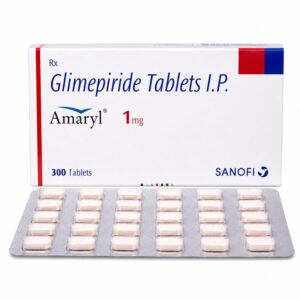
Amaryl 1 mg (Glimepiride Tablet)
Price range: $70.00 through $145.00Select options - + wishlist+ compare
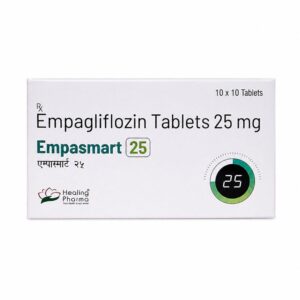
Empasmart 25 mg (Empagliflozin)
Price range: $80.00 through $350.00Select options - + wishlist+ compare
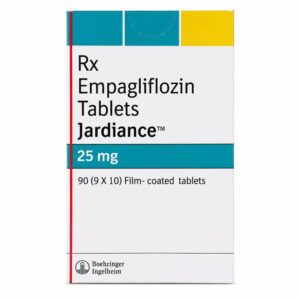
Jardiance 25 mg (Empagliflozin)
Price range: $170.00 through $595.00Select options
There are no reviews yet.