
0

Cart

Home 3ShopDiabetesAmaryl 3 mg (Glimepiride Tablet)

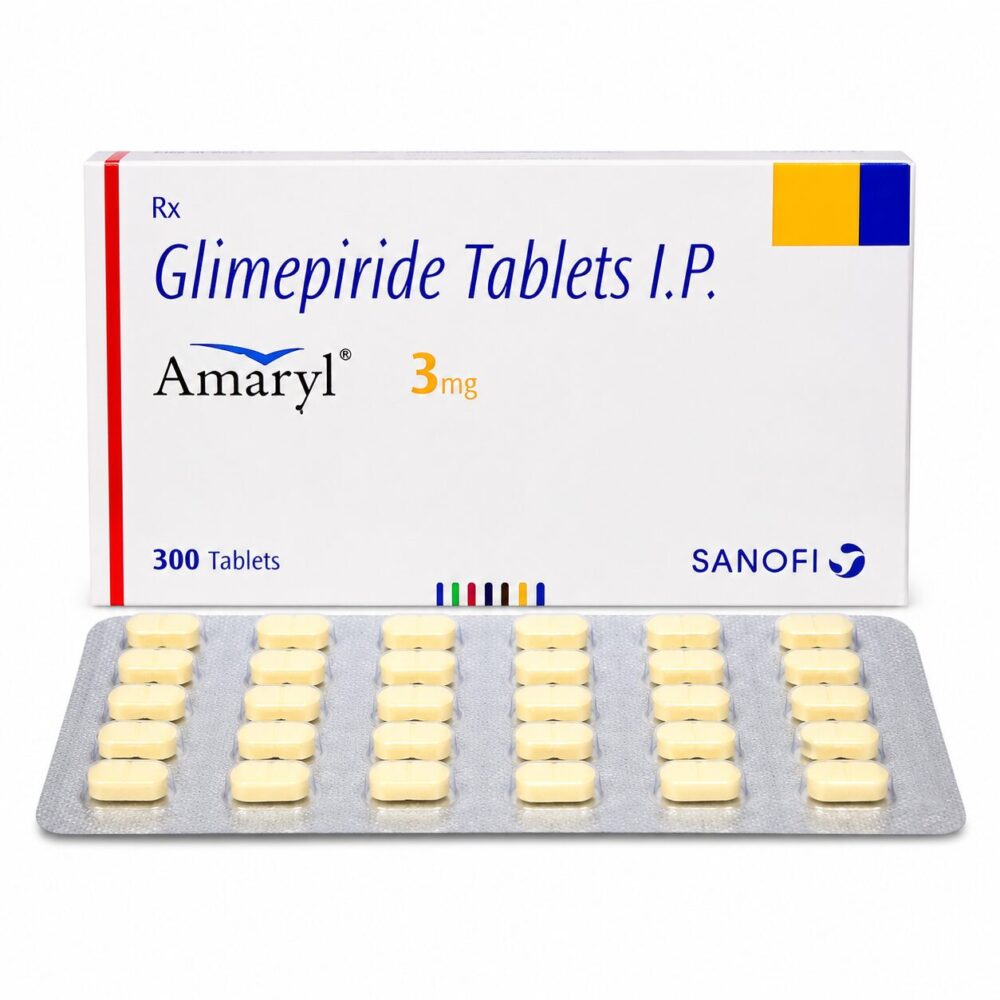
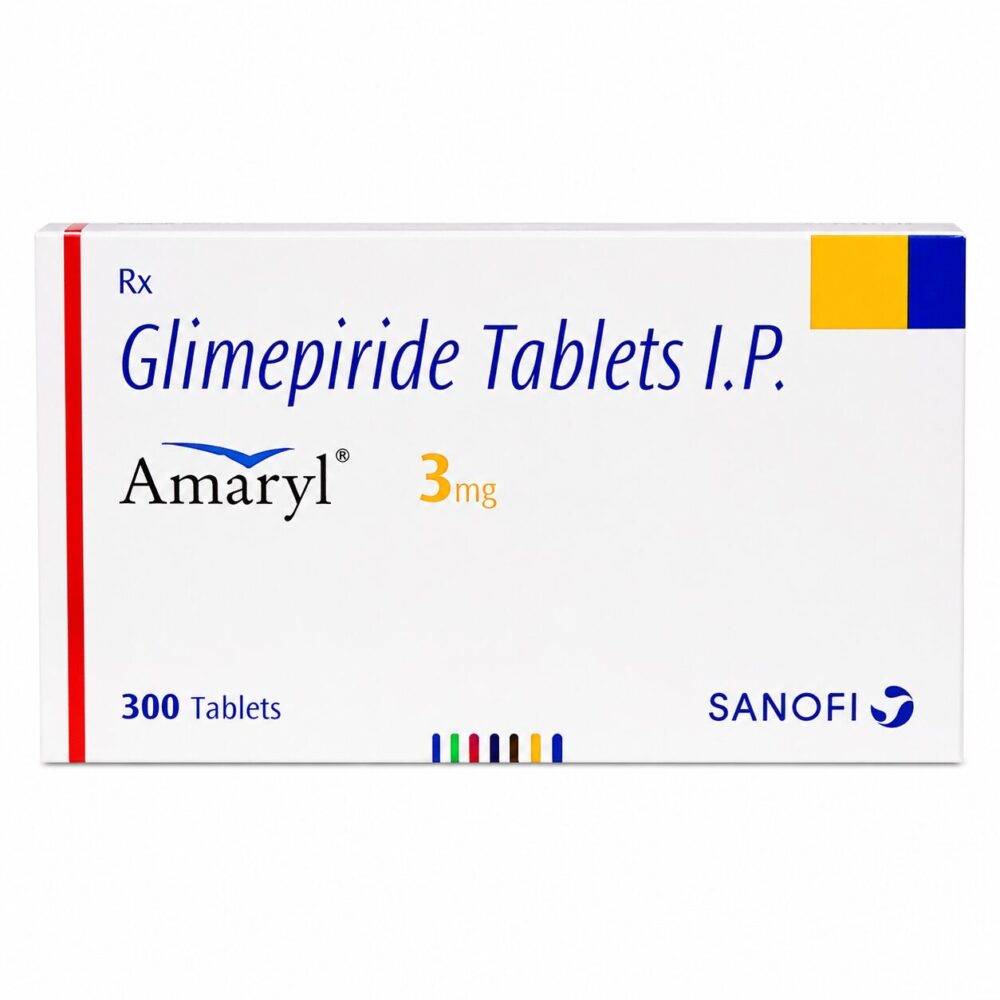
Amaryl 3 mg (Glimepiride Tablet)

Active IngredientsGlimepiride
StrengthGlimepiride 3 mg
Dosage FormTablet
Therapeutic CategoryType 2 diabetes
ManufacturerSanofi India Ltd.
Packaging30 tablets in 1 strip
Storage ConditionsCool and dry place
Packaging TypePlain and discreet

Pack SizePrice/UnitPriceQuantity 
120 Tablet/s$0.91$110.00
180 Tablet/s$0.83$150.00
240 Tablet/s$0.77$185.00
300 Tablet/s$0.71$215.00

Price range: $110.00 through $215.00

Discreet Shipping
Secure Checkout
Assured Delivery
Add to wishlist Add to compareAsk about product
SKU: N/A Category:

What Is Amaryl 3 mg?

Amaryl 3 mg is a prescription medicine used for adults living with type 2 diabetes. Glimepiride, the active ingredient, belongs to the sulfonylurea category of Anti-Diabetic Medicines.

Blood sugar rises when the body does not produce enough insulin or cannot properly use insulin already available. Glimepiride helps improve glucose control by encouraging insulin release after meals.

It has sometimes prescribe Amaryl 3 mg alone or together with medicines like metformin or insulin when blood sugar targets are not reached through a single therapy. Better glucose control may lower the chances of diabetes-related complications developing over time. Consistent meal timing and balanced food intake matter while using this medicine because irregular eating habits may increase the chance of low blood sugar episodes.

Uses of Amaryl 3 mg

Amaryl 3 mg is mainly prescribed for managing type 2 diabetes mellitus in adults. Better sugar control supports long-term metabolic health and may reduce diabetes-related damage affecting different organs.

Common uses include:

  • Managing high blood sugar in type 2 diabetes
  • Supporting insulin activity in the body
  • Improving post-meal glucose control
  • Combination therapy with metformin or insulin
  • Diabetes management alongside diet and exercise programs

They may adjust diabetes treatment plans based on blood sugar readings, lifestyle habits, body weight, and response to treatment over time.

How Amaryl 3 mg Helps Control Blood Sugar

Glimepiride increases insulin release from pancreatic beta cells after food intake. Higher insulin availability allows glucose to move from the bloodstream into body cells where it can be used as energy. Improved insulin response also supports better fasting and post-meal blood sugar balance.

Blood sugar reduction may begin within a few hours after taking the tablet, though stable glucose control usually develops with regular daily use. Meal skipping, excessive alcohol intake, or taking higher doses than prescribed may sharply lower sugar levels. Because of this, regular eating habits become an important part of diabetes management while using Amaryl 3 mg.

Dosage and Administration

Dosage requirements vary from person to person depending on blood sugar levels, current diabetes treatment, age, kidney function, and overall response to therapy. Most treatment plans begin with a lower strength and increase gradually if stronger glucose control becomes necessary.

General administration guidance:

  • Usually taken once daily
  • Best taken with breakfast or the first main meal
  • Swallow the tablet with water
  • Avoid crushing or chewing unless advised otherwise
  • Maintain regular meal timing during therapy

Missing meals after taking the tablet may increase the risk of hypoglycemia. If a dose is forgotten, the next scheduled dose should continue normally without doubling tablets.

Benefits of Amaryl 3 mg

Diabetes treatment focuses on maintaining balanced glucose levels while supporting daily health and energy levels. Stable blood sugar control may help reduce the burden caused by long-term uncontrolled diabetes.

Potential benefits include:

  • Better fasting blood sugar control
  • Improved post-meal glucose levels
  • Support for long-term diabetes management
  • Once-daily dosing convenience
  • Combination compatibility with other diabetes medicines

Many treatment plans include routine HbA1c testing to monitor long-term sugar control during therapy.

Who Should Avoid Amaryl 3 mg?

Certain medical conditions may increase the risks linked with Glimepiride use. Medical history and current medicines usually guide treatment suitability.

Avoid or use cautiously in cases involving:

  • Type 1 diabetes mellitus
  • Severe liver disease
  • Serious kidney impairment
  • History of sulfonylurea allergy
  • Frequent hypoglycemia episodes
  • Diabetic ketoacidosis
  • Pregnancy and breastfeeding unless specifically advised

Older adults sometimes experience stronger blood sugar-lowering effects, making glucose monitoring more important during treatment.

Precautions Before Taking Amaryl 3 mg

Blood sugar fluctuations may happen more easily during illness, fasting, heavy exercise, alcohol use, or sudden dietary changes. Careful monitoring becomes useful during such situations.

Low Blood Sugar Risk

Hypoglycemia remains one of the most recognized concerns linked with Glimepiride. Symptoms may include sweating, shaking, dizziness, hunger, blurred vision, irritability, confusion, or unusual weakness. Carrying a quick sugar source such as glucose tablets, fruit juice, or candy may help during sudden low sugar episodes.

Kidney and Liver Conditions

Reduced kidney or liver function may slow medicine clearance from the body, increasing the risk of prolonged low blood sugar effects. Dose adjustments are sometimes required after medical evaluation.

Alcohol Consumption

Alcohol may unpredictably affect blood sugar control and raise the chance of hypoglycemia. Drinking alcohol on an empty stomach may worsen glucose imbalance.

Surgery or Medical Procedures

Changes in food intake before surgery or medical procedures may require temporary adjustments in diabetes medicines. Blood sugar monitoring generally becomes more frequent during recovery periods.

Possible Side Effects of Amaryl 3 mg

Side effects vary from person to person. Some remain mild and temporary, while others may require medical review if symptoms become severe or persistent.

Common Side Effects

  • Low blood sugar
  • Headache
  • Dizziness
  • Nausea
  • Stomach discomfort
  • Weight gain
  • Weakness or tiredness
  • Less Common Side Effects
  • Skin rash
  • Itching
  • Increased sensitivity reactions
  • Blurred vision during glucose fluctuations
  • Changes in liver enzyme levels

Severe allergic reactions remain uncommon but may require urgent medical attention if swelling, breathing difficulty, or severe skin reactions appear.

Drug Interactions

Several medicines may change how Glimepiride affects blood sugar levels. Sharing a complete medication list with the prescribing doctor helps reduce unwanted interactions.

Medicines That May Increase Hypoglycemia Risk

  • Insulin
  • Other anti-diabetic medicines
  • Beta-blockers
  • Certain antibiotics
  • Antifungal medicines
  • Aspirin and some pain relievers
  • Medicines That May Raise Blood Sugar Levels
  • Corticosteroids
  • Certain diuretics
  • Oral contraceptives
  • Thyroid medicines
  • Some psychiatric medicines

Blood sugar testing may become more frequent after adding or stopping interacting medicines.

Can Amaryl 3 mg Be Taken With Metformin?

Doctors often combine Glimepiride with Metformin for stronger blood sugar control when diet, exercise, or single-drug therapy does not provide desired glucose results. Combination therapy targets blood sugar through different mechanisms, helping many adults achieve better HbA1c control.

Close monitoring remains useful after combination treatment begins because the possibility of hypoglycemia may increase in some individuals. Meal consistency and routine glucose checks become even more valuable during combined therapy.

Frequently Asked Questions (FAQs)


Amaryl 3 mg is used for managing type 2 diabetes mellitus and lowering high blood sugar levels in adults.


Blood sugar reduction may begin within a few hours after taking the tablet, while stable glucose control generally develops with regular daily use.


Yes. Skipping meals, alcohol intake, heavy exercise, or taking excess doses may trigger hypoglycemia.


Doctors sometimes combine Glimepiride with insulin when stronger diabetes control becomes necessary. Blood sugar monitoring usually increases during combination therapy.


Take the missed dose when remembered unless the next dose timing is close. Two doses together should be avoided.


No. Glimepiride is generally prescribed for type 2 diabetes mellitus only.


References

  1. https://www.cdc.gov/diabetes/about/about-type-2-diabetes.html
  2. https://www.who.int/news-room/fact-sheets/detail/diabetes

Pack Size

120 Tablet/s, 180 Tablet/s, 240 Tablet/s, 300 Tablet/s

Price/Unit

$0.71, $0.77, $0.83, $0.91

There are no reviews yet.

Be the first to review “Amaryl 3 mg (Glimepiride Tablet)”

Your email address will not be published. Required fields are marked *

Error: Contact form not found.