
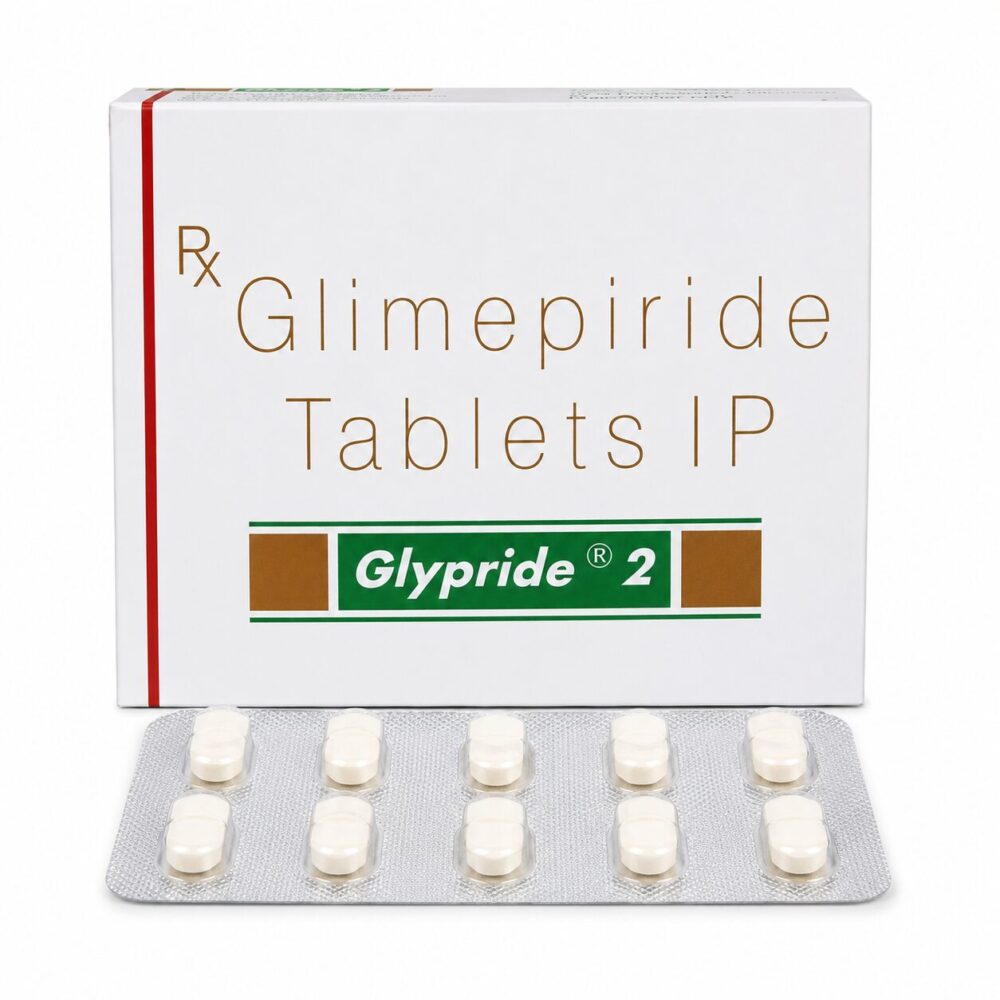
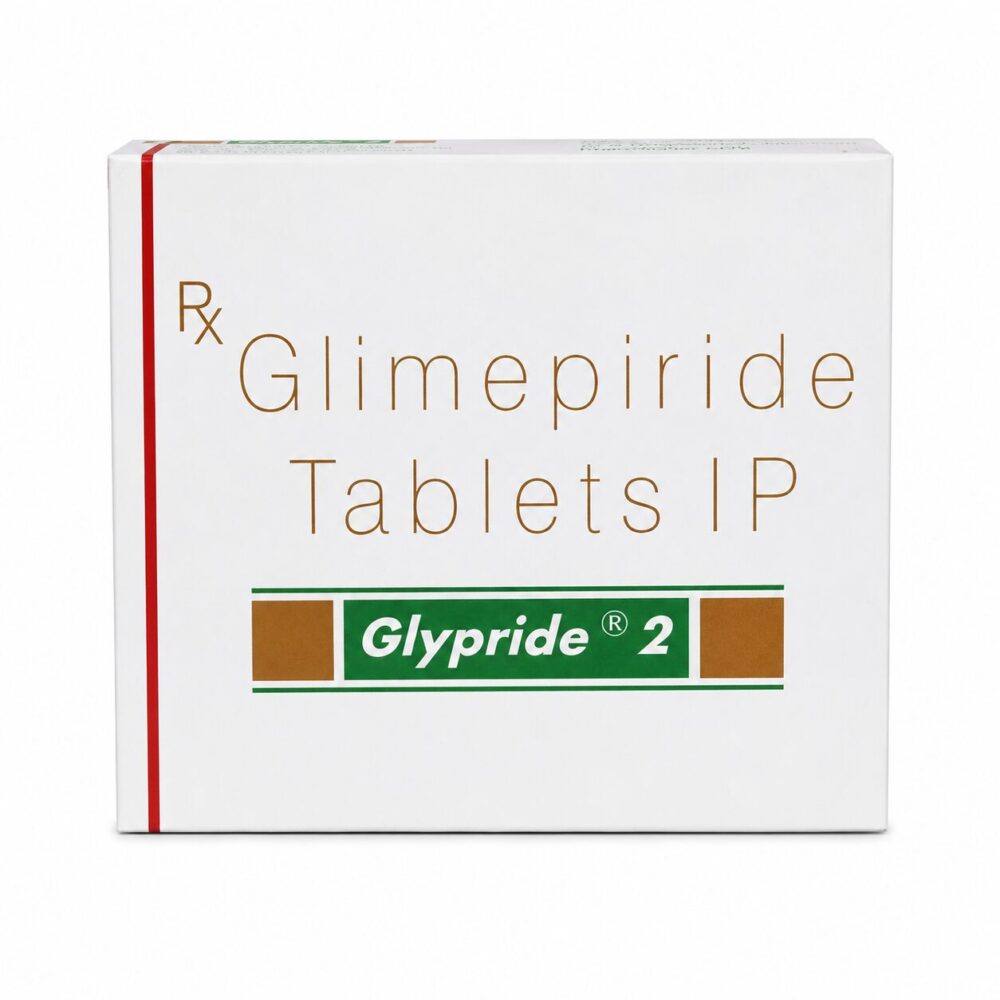
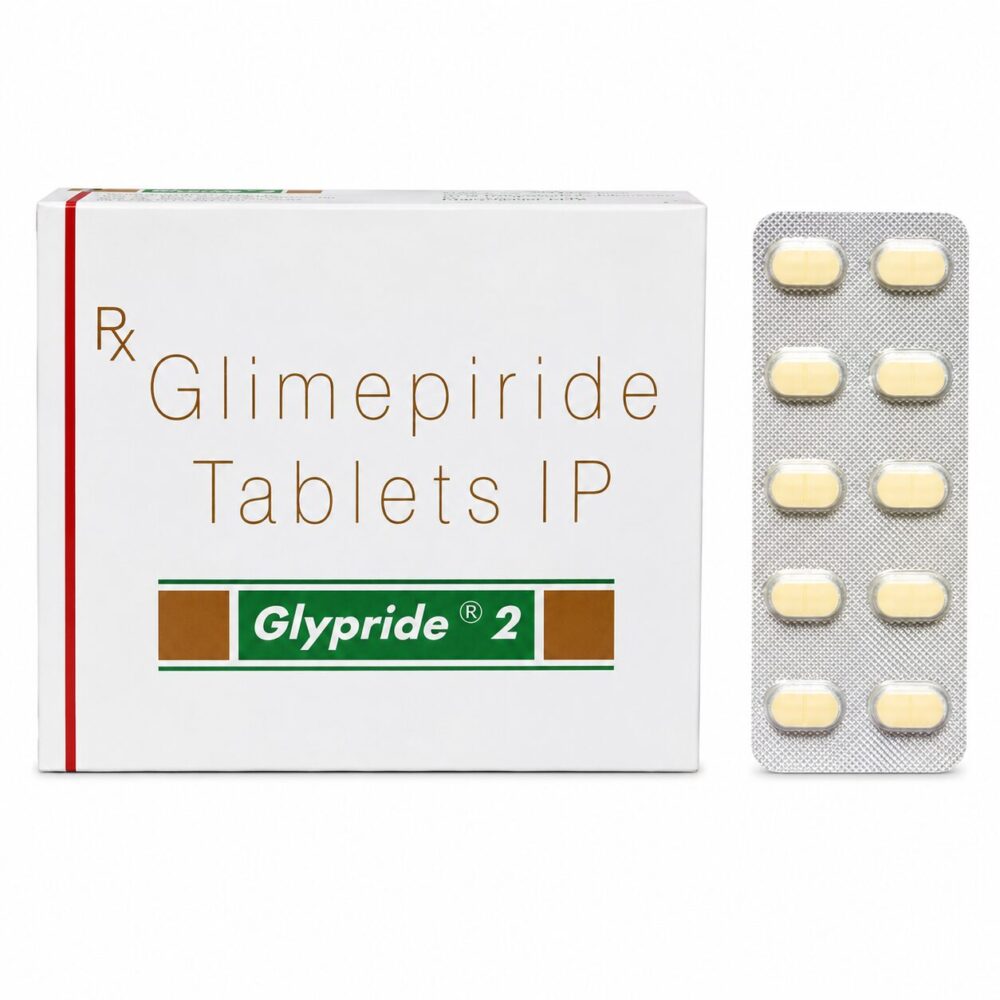
Glypride 2 mg (Glimepiride)
| Active Ingredients | Glimepiride |
| Strength | Glimepiride 2 mg |
| Dosage Form | Tablet |
| Therapeutic Category | Type 2 diabetes |
| Manufacturer | Sun Pharmaceutical Industries Ltd. |
| Packaging | 10 tablets in 1 strip |
| Storage Conditions | Cool and dry place |
| Packaging Type | Plain and discreet |
| Pack Size | Price/Unit | Price | Quantity | |
|---|---|---|---|---|
| 100 Tablet/s | $0.60 | $60.00 | ||
| 200 Tablet/s | $0.55 | $110.00 | ||
| 300 Tablet/s | $0.53 | $160.00 | ||
| 500 Tablet/s | $0.45 | $225.00 |
Price range: $60.00 through $225.00
What Is Glypride 2 mg?
Glypride 2 mg is an oral medicine given to adults diagnosed with type 2 diabetes mellitus. The active ingredient, Glimepiride, helps the body release more insulin from the pancreas after meals.
Better insulin activity allows glucose to move from the bloodstream into body tissues where it can be used for energy.
Blood sugar levels that remain high for long periods can slowly damage different organs. Diabetes treatment plans usually combine medicines, food control, physical movement, weight management, and regular glucose monitoring. Glypride 2 mg is often added when diet changes and exercise are not giving desired sugar control results.
Many users prefer Glimepiride-based tablets because once-daily dosing fits easily into daily routines. Proper sugar control may also help lower frequent urination, excessive thirst, tiredness, and uncontrolled hunger linked with diabetes.
How Glypride 2 mg Helps Control Blood Sugar
Glimepiride increases insulin release from beta cells present inside the pancreas. Higher insulin availability helps lower excess glucose circulating in the bloodstream after meals. The medicine also supports better insulin sensitivity in body tissues, helping glucose enter muscles and cells more efficiently.
Type 2 diabetes develops when the body either does not produce enough insulin or cannot use insulin properly. Glypride 2 mg supports both areas by improving insulin response and assisting glucose uptake. Balanced sugar control over time can support healthier energy levels and reduce the risk linked with uncontrolled diabetes.
Uses of Glypride 2 mg
Glypride 2 mg is prescribed for the management of type 2 diabetes mellitus in adults. Doctors may recommend it alone or together with other diabetes medicines depending on sugar readings and treatment goals.
Common uses include:
- Control of high blood sugar levels
- Type 2 diabetes management alongside diet and exercise
- Combination therapy with Metformin or insulin in selected cases
- Long-term glycemic control support
- Reduction of diabetes-related complications linked with uncontrolled glucose
Stable diabetes treatment often requires routine blood sugar testing and regular meal timing while taking Glimepiride tablets.
How To Take Glypride 2 mg
Glypride 2 mg is generally taken once daily with breakfast or the first major meal of the day. Taking the tablet with food lowers the possibility of sudden blood sugar drops during the day. Swallow the tablet with water without crushing or chewing unless instructed otherwise.
Consistent timing helps maintain more predictable glucose control. Missed meals after taking the medicine can increase the risk of low blood sugar symptoms such as sweating, dizziness, shakiness, or weakness.
Alcohol intake may disturb blood sugar stability while using Glimepiride. Regular meal schedules and balanced carbohydrate intake support better treatment outcomes.
Recommended Dosage
Dosage depends on blood glucose levels, response to treatment, age, and other medicines being used for diabetes care. Many adults begin treatment with lower strengths before moving to Glypride 2 mg if stronger glucose control is needed.
Blood sugar monitoring helps doctors decide whether dosage adjustment is required. Dose increases are usually gradual to reduce the risk of hypoglycemia. Self-adjusting diabetes medicines without medical advice can disturb sugar control and create unwanted complications.
Missed Dose
Take the missed dose once remembered if the next scheduled dose is not too close. Skip the forgotten dose if it is nearly time for the next tablet. Double dosing may sharply lower blood sugar levels.
Overdose
Extra tablets may cause severe hypoglycemia. Symptoms may include confusion, sweating, blurred vision, faintness, shakiness, hunger, or unusual weakness. Urgent medical care is needed in suspected overdose situations.
Benefits of Glypride 2 mg
Glypride 2 mg offers several advantages for adults managing type 2 diabetes:
- Supports daily blood sugar control
- Convenient once-daily dosing
- Can be combined with diet and exercise plans
- Useful alongside other diabetes medicines in selected patients
- Helps reduce symptoms linked with uncontrolled glucose
- Widely prescribed and clinically recognized Glimepiride formulation
Good diabetes control over time may support healthier kidney, nerve, eye, and cardiovascular function.
Side Effects of Glypride 2 mg
Some users may experience mild or moderate side effects during treatment. Blood sugar lowering medicines can affect each person differently depending on food habits, other medicines, and diabetes severity.
Common Side Effects
- Low blood sugar (hypoglycemia)
- Sweating
- Dizziness
- Headache
- Nausea
- Stomach discomfort
- Weakness
- Diarrhea
- Increased hunger
Less Common But Serious Effects
- Allergic skin reactions
- Skin rash or itching
- Changes in liver function
- Visual disturbances
- Low platelet count
- Reduced white blood cell count
Long gaps between meals can raise the chance of hypoglycemia during treatment with Glimepiride tablets.
Precautions and Warnings
Medical history plays a major role before starting Glypride 2 mg. Kidney disorders, liver disease, thyroid imbalance, adrenal gland disorders, or previous episodes of low blood sugar should be discussed during treatment planning.
Extra caution may be needed in:
- Elderly individuals
- Patients with irregular meal schedules
- Heavy alcohol users
- Individuals with severe infections
- People recovering from surgery or trauma
- Patients with glucose-6-phosphate dehydrogenase deficiency
Driving or operating machinery may become difficult during sudden blood sugar drops. Carrying glucose tablets or sugary snacks may help during unexpected hypoglycemia episodes.
Drug Interactions
Several medicines may alter the blood sugar lowering effect of Glypride 2 mg. Some medicines can increase hypoglycemia risk while others may reduce diabetes control.
Medicines known to interact with Glimepiride include:
- Insulin
- Metformin
- Aspirin
- ACE inhibitors
- Fluoxetine
- Anticoagulants
- Fluconazole
- Rifampicin
- Corticosteroids
- Thyroid medicines
- Thiazide diuretics
- Oral contraceptive medicines
Sharing a complete medicine list with the prescribing doctor helps reduce interaction-related complications.
Who Should Avoid Glypride 2 mg?
Glypride 2 mg may not be suitable for everyone. Certain conditions require alternative diabetes treatment options.
Avoid use in:
- Type 1 diabetes mellitus
- Diabetic ketoacidosis
- Severe Glimepiride allergy
- Sulfonylurea hypersensitivity
- Severe uncontrolled liver disease without medical evaluation
Pregnancy and breastfeeding-related diabetes treatment plans may require different medicines depending on individual assessment.
Frequently Asked Questions (FAQs)
Glypride 2 mg is used for controlling blood sugar levels in adults with type 2 diabetes mellitus along with food management and exercise.
Yes. Skipping meals, alcohol intake, overdose, or heavy physical activity can increase hypoglycemia risk while taking Glimepiride.
Most users take the tablet with breakfast or the first major meal of the day to support steady sugar control.
Doctors sometimes prescribe both medicines together for stronger blood sugar control when single-drug therapy is not enough.
Long-term use is common in type 2 diabetes management when regular sugar monitoring and medical follow-up remain consistent.
Heavy alcohol intake, irregular eating patterns, and high-sugar meals may disturb glucose stability during treatment.
No. Glypride 2 mg is not designed for type 1 diabetes mellitus.
| Pack Size | 100 Tablet/s, 200 Tablet/s, 300 Tablet/s, 500 Tablet/s |
|---|---|
| Price/Unit | $0.45, $0.53, $0.55, $0.60 |
There are no reviews yet.