

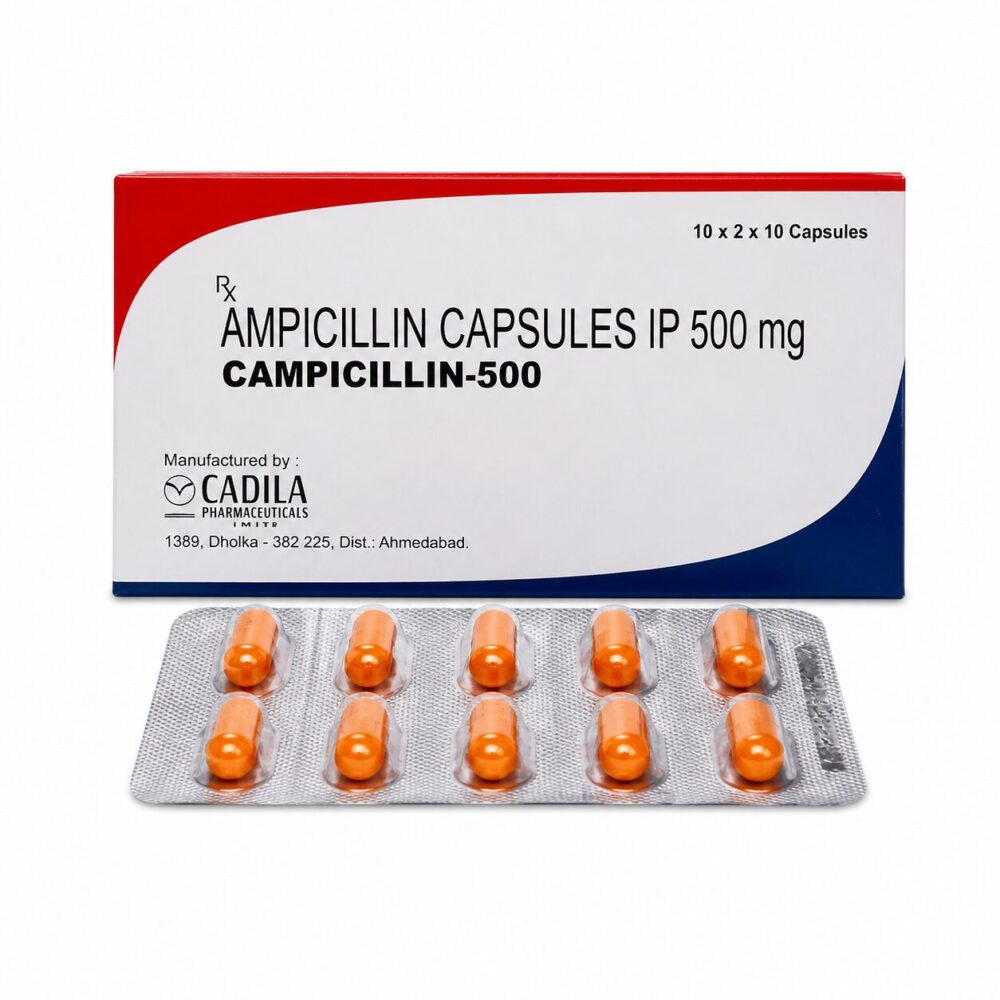
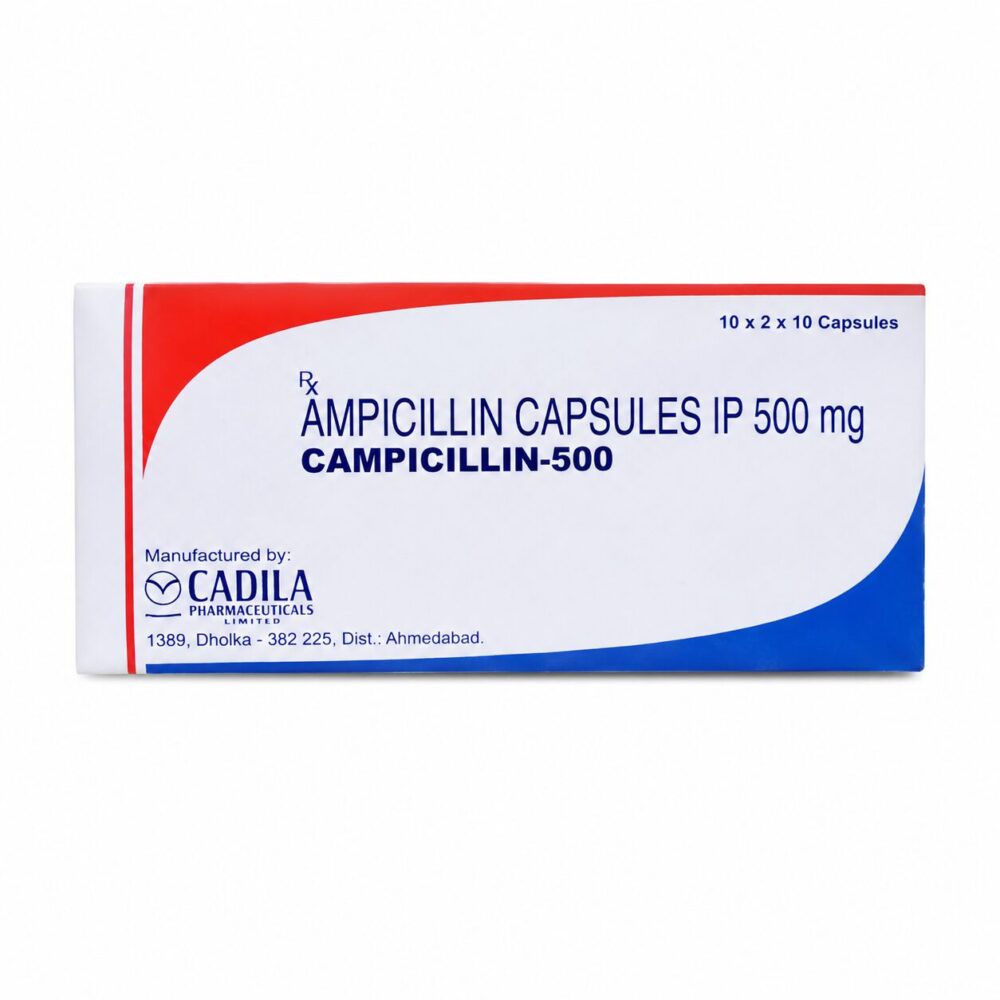
Campicillin 500 mg (Ampicillin)
| Active Ingredients | Ampicillin |
| Strength | 500 mg |
| Dosage Form | Capsules |
| Therapeutic Category | Bacterial infections |
| Manufacturer | Cadila Pharmaceuticals Ltd. |
| Packaging | 10 Capsules in 1 strip |
| Storage Conditions | Cool and dry place |
| Packaging Type | Plain and discreet |
| Pack Size | Price/Unit | Price | Quantity | |
|---|---|---|---|---|
| 100 Capsule/s | $0.70 | $70.00 | ||
| 200 Capsule/s | $0.60 | $120.00 | ||
| 300 Capsule/s | $0.56 | $170.00 | ||
| 500 Capsule/s | $0.46 | $250.00 |
Price range: $70.00 through $250.00
What Is Campicillin 500 mg?
Campicillin 500 mg is an antibiotic capsule containing Ampicillin as its active ingredient. The formulation belongs to the penicillin family and is prescribed against bacterial infections where susceptible organisms are involved.
Doctors may recommend it for throat infections, chest infections, urinary tract infections, skin-related bacterial conditions, dental infections, and selected intestinal infections.
Ampicillin has been used in antibacterial treatment protocols for decades because of its action against gram-positive and certain gram-negative bacteria. Timing and duration of therapy matter significantly with Antibiotics since incomplete courses may increase bacterial resistance and reduce future treatment response.
Infection severity, body weight, kidney function, and existing medication history often influence the prescribed schedule.
How Campicillin 500 mg Acts Inside The Body
Ampicillin interferes with bacterial cell wall formation during the growth phase of microorganisms. Once the bacterial outer structure weakens, survival becomes difficult, leading to bacterial destruction over time.
Human cells do not contain the same type of cell wall structure, which is why antibiotics from the penicillin group target bacteria rather than healthy body tissues.
Absorption may vary depending on food intake and digestive conditions. Some physicians prefer scheduled administration intervals to maintain stable antibiotic levels in the bloodstream throughout the treatment cycle.
Uses Of Campicillin 500 mg
Campicillin 500 mg may be prescribed in bacterial infections involving different organs and tissue systems, including:
- Throat infections including tonsillitis and pharyngitis
- Respiratory tract infections
- Urinary tract infections
- Skin and soft tissue infections
- Dental abscesses
- Ear and sinus infections
- Gastrointestinal bacterial infections
- Typhoid fever
- Endocarditis-related bacterial management
- Certain bacterial meningitis treatment plans
Prescription choice depends on bacterial sensitivity reports, severity of symptoms, and previous antibiotic exposure history.
Benefits of Campicillin 500 mg Treatment
Ampicillin-based treatment remains widely recognized because of its established antibacterial profile and familiarity within clinical practice. Infections caught early often respond better before deeper tissue involvement develops.
Timely bacterial management may reduce fever progression, swelling, discomfort, discharge formation, and infection spread into nearby structures.
Another reason doctors continue prescribing Ampicillin in selected cases relates to its utility across multiple infection categories rather than a single isolated condition.
Before Taking Campicillin 500 mg
Several medical factors deserve attention before starting antibiotic treatment. Previous allergy history involving penicillin medicines, cephalosporins, or antibiotic-triggered skin reactions should be discussed during prescription evaluation.
Mention the following conditions during medical assessment:
- Kidney disease
- Liver impairment
- Asthma history
- Previous antibiotic-associated diarrhea
- Infectious mononucleosis
- Pregnancy or breastfeeding status
- Ongoing gastrointestinal disorders
- Existing prescription medicines or supplements
Antibiotic selection sometimes changes depending on medical background and previous reactions.
Dosage And Administration
Campicillin 500 mg dosage depends on infection type, bacterial severity, age group, and overall health status. Some infections require short-duration therapy while deeper bacterial involvement may need extended administration schedules.
Capsules are generally swallowed whole with water. Crushing or chewing is usually avoided unless specifically advised. Fixed timing intervals help maintain more stable antibiotic concentration in the bloodstream, which supports bacterial suppression throughout therapy.
Missed Dose Guidance
A forgotten dose may be taken after remembering it within a reasonable time window. If the next dose is approaching soon, skipping the missed capsule is usually preferred over taking two doses together.
Overdose Concerns
Excessive antibiotic intake may increase digestive discomfort, neurological symptoms, vomiting, or severe hypersensitivity reactions. Persistent symptoms after accidental overdose require urgent medical evaluation.
Side Effects Of Campicillin 500 mg
Like most antibiotics, Ampicillin may produce side effects ranging from mild digestive symptoms to allergic reactions.
Not every user experiences adverse effects, though antibiotic sensitivity varies widely among individuals.
Possible side effects include:
- Nausea
- Vomiting
- Loose stools or diarrhea
- Stomach discomfort
- Skin rash
- Fever with chills
- Joint pain
- Altered taste sensation
- Tooth discoloration
- Injection-site pain in injectable variants
- Hypersensitivity reactions
- Seizure risk in severe overdose situations
Severe allergic swelling, breathing difficulty, or extensive skin reactions require immediate medical attention.
Drug Interactions
Certain medicines may alter the way Ampicillin performs inside the body or increase the chance of adverse reactions. Drug interaction screening becomes especially relevant for people already taking long-term therapies for chronic conditions.
Known interaction possibilities include:
- Methotrexate
- Warfarin
- Doxycycline
- Atenolol
- Chloroquine-containing medicines
- Sulfonamides
Interaction severity depends on dosage combinations, treatment duration, kidney function, and concurrent illnesses.
Medical Conditions Requiring Extra Attention
Additional monitoring may be necessary in cases involving:
- Colitis history
- Chronic kidney disease
- Liver dysfunction
- Mononucleosis
- Recurrent antibiotic-associated diarrhea
Antibiotic tolerance sometimes changes when digestive or renal conditions are already present.
Warnings And Precautions
Long or unnecessary antibiotic exposure may contribute to bacterial resistance patterns over time. For that reason, Campicillin 500 mg is generally reserved for confirmed or strongly suspected bacterial infections rather than viral illnesses such as flu or common cold conditions.
Alcohol consumption during antibiotic treatment may worsen stomach discomfort in some individuals. Self-adjusting the dosage schedule or stopping treatment midway after symptom reduction may also increase relapse risk.
Extra caution is usually advised in:
- Elderly individuals
- Pregnant women
- Breastfeeding mothers
- Patients with impaired kidney function
- Individuals with penicillin allergy history
- Cases involving severe gastrointestinal disease
Medical monitoring becomes more relevant if prolonged therapy is prescribed.
Frequently Asked Questions (FAQs)
Campicillin 500 mg is prescribed for bacterial infections involving the throat, lungs, urinary tract, skin, ears, sinuses, and certain gastrointestinal infections.
Antibiotics containing Ampicillin are intended for bacterial infections and do not eliminate viruses responsible for cold or flu symptoms.
Some prescriptions allow administration with or without food. Certain individuals prefer taking it after meals to reduce stomach discomfort.
Symptom improvement timing depends on infection severity, bacterial sensitivity, dosage schedule, and immune response. Some infections begin responding within a few days, while deeper infections may require longer treatment periods.
Incomplete antibiotic courses may allow surviving bacteria to multiply again, increasing relapse chances and resistance-related concerns.
Pregnancy-related antibiotic use depends on medical evaluation, infection severity, and trimester considerations. Prescription review is necessary before starting treatment.
Loose stools and digestive upset are among the more frequently reported antibiotic-related reactions associated with Ampicillin therapy.
| Pack Size | 100 Capsule/s, 200 Capsule/s, 300 Capsule/s, 500 Capsule/s |
|---|---|
| Price/Unit | $0.46, $0.56, $0.60, $0.70 |
Related products
- + wishlist+ compare
Azipro 250 mg Tablet (Azithromycin)
Price range: $50.00 through $155.00Select options - + wishlist+ compare
Azee 1000 mg (Azithromycin Tablet)
Price range: $180.00 through $620.00Select options - + wishlist+ compare
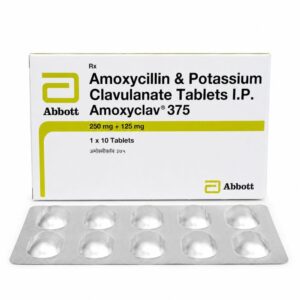
Amoxyclav 375 mg Tablet (Amoxicillin/Clavulanic Acid)
Price range: $90.00 through $260.00Select options


There are no reviews yet.