

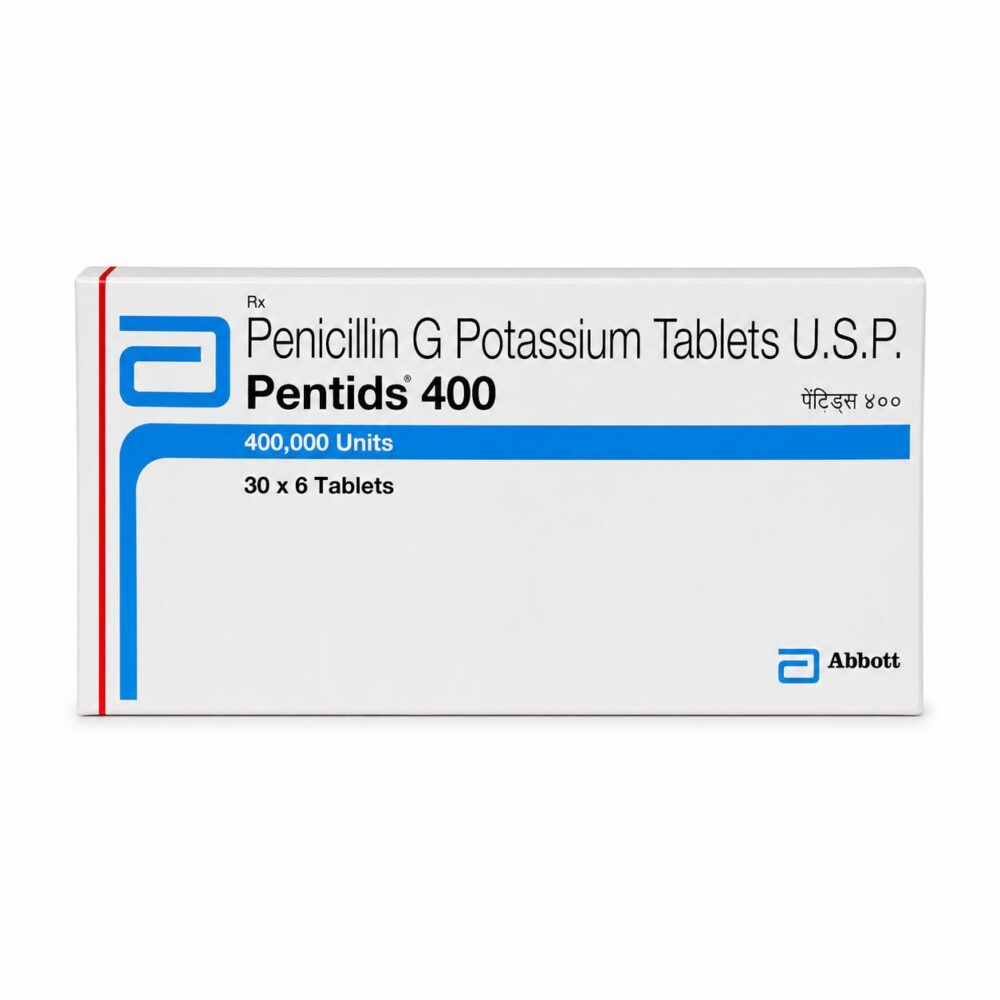
Pentids 400 (Penicillin G)
| Active Ingredients | Penicillin G |
| Strength | 400 mg |
| Dosage Form | Tablets |
| Therapeutic Category | Bacterial infections, Rheumatic fever |
| Manufacturer | Abbott. |
| Packaging | 10 tablets in 1 strip |
| Storage Conditions | Cool and dry place |
| Packaging Type | Plain and discreet |
| Pack Size | Price/Unit | Price | Quantity | |
|---|---|---|---|---|
| 100 Tablet/s | $0.60 | $60.00 | ||
| 200 Tablet/s | $0.55 | $110.00 | ||
| 300 Tablet/s | $0.53 | $160.00 | ||
| 500 Tablet/s | $0.45 | $225.00 |
Price range: $60.00 through $225.00
What is Pentids 400?
Pentids 400 is an oral antibiotic formulation containing Penicillin G. The medicine is prescribed against bacterial infections where penicillin-sensitive organisms are involved.
Doctors often choose Penicillin G because of its established clinical history in treating streptococcal infections, throat infections, sinus infections, skin infections, and soft tissue infections.
Bacterial infections can develop when harmful bacteria multiply rapidly inside the body and trigger inflammation, swelling, fever, discomfort, pus formation, or tissue irritation.
Infections affecting the respiratory tract and throat are among the more frequent conditions linked with penicillin-based treatment. Pentids 400 is also prescribed in selected preventive care situations, especially among individuals with a history of rheumatic fever where recurrence prevention becomes necessary.
Unlike Antibiotics reserved for resistant infections, Penicillin G has remained widely recognized for infections caused by susceptible bacterial strains. That long-term clinical familiarity is one reason why many physicians still rely on penicillin-class treatment in appropriate cases.
Uses of Pentids 400 (Penicillin G)
Pentids 400 is prescribed for several bacterial conditions involving different parts of the body. Common therapeutic uses include:
- Throat infections
- Tonsillitis
- Ear infections
- Nasal and sinus infections
- Respiratory tract infections
- Skin and soft tissue infections
- Streptococcal infections
- Early-stage syphilis
- Prevention of rheumatic fever recurrence
- Prevention of bacterial endocarditis in selected high-risk cases
Certain bacterial infections respond quickly to penicillin-based therapy when treatment begins early. Delayed treatment sometimes allows bacteria to spread deeper into tissues or bloodstream circulation.
How Pentids 400 Works
Penicillin G targets bacteria by damaging the protective wall surrounding bacterial cells. Once that outer structure weakens, bacteria lose the ability to survive and reproduce normally. Gradually, bacterial growth declines and the infection begins to clear from the body.
Penicillin antibiotics are particularly recognized for their action against several gram-positive bacterial strains.
Since antibiotics only act against bacterial organisms, Pentids 400 does not treat viral illnesses such as common cold or seasonal flu infections.
Dosage and Administration
Pentids 400 should be taken exactly in the prescribed schedule. The tablet is generally swallowed whole with water without crushing or breaking it unless specifically advised otherwise. Maintaining equal timing between doses supports stable antibiotic levels inside the body. Missing repeated doses may reduce bacterial control and increase the possibility of incomplete treatment response.
Missed Dose
If a dose gets delayed, take it once remembered unless the next scheduled dose is very close. Doubling doses together is generally avoided.
Overdose
Excess intake may increase the chance of severe stomach irritation, neurological symptoms, or allergic reactions. Medical evaluation becomes necessary if an overdose is suspected.
Benefits of Pentids 400
Penicillin G continues to remain clinically useful because of its targeted antibacterial action and long-standing therapeutic reliability.
Support in Bacterial Infections
Pentids 400 is widely prescribed for infections involving the throat, respiratory tract, soft tissues, and skin. Once bacterial activity begins slowing down, symptoms such as pain, swelling, fever, and irritation may gradually settle.
Rheumatic Fever Prevention
Doctors sometimes prescribe Penicillin G as preventive therapy for people with a previous history of rheumatic fever linked to streptococcal infections. Long-term prevention helps reduce recurrence risk in susceptible individuals.
Syphilis Management
Early-stage syphilis caused by susceptible bacterial strains may also be treated using penicillin-based therapy under proper medical assessment and follow-up.
Side Effects of Pentids 400
Like most antibiotics, Pentids 400 can produce unwanted effects in some individuals. Many reactions remain mild and temporary, though severe allergic responses require urgent care.
Common Side Effects
- Nausea
- Vomiting
- Mild diarrhea
- Headache
- Stomach discomfort
- Skin rash
- Loss of appetite
- Fatigue
- Mild fever
Serious Side Effects
- Severe allergic skin reaction
- Wheezing or breathing difficulty
- Severe diarrhea with dehydration
- Convulsions
- Swelling of face or throat
- Significant reduction in white blood cell count
Penicillin allergy history deserves careful discussion before starting treatment since allergic reactions linked with penicillin antibiotics can occasionally become severe.
Precautions and Warnings
Several medical conditions and allergy histories may influence whether Pentids 400 suits a person safely.
Allergy History
Anyone with a known allergy to Penicillin G, cephalosporins, or related antibiotics should mention that history before starting treatment. Penicillin hypersensitivity reactions may range from skin irritation to severe allergic emergencies.
Pregnancy and Breastfeeding
Pregnancy-related use depends on medical evaluation and infection severity. Small amounts of penicillin may pass into breast milk, so breastfeeding mothers generally discuss ongoing antibiotic therapy before use.
Kidney Concerns
Reduced kidney function can alter antibiotic clearance from the body. Dosage adjustments are sometimes considered in individuals with kidney disease or dialysis dependency.
Digestive Conditions
Antibiotics occasionally disturb normal gut bacteria and may worsen diarrhea-related conditions in sensitive individuals.
Drug Interactions
Certain medicines may influence the effectiveness or safety profile of Penicillin G.
Medicines That May Interact
- Warfarin
- Methotrexate
- Aspirin
- Indomethacin
- Tetracycline antibiotics
- Chloramphenicol
Sharing a complete medication list before starting antibiotic treatment lowers the possibility of unwanted interactions.
Alcohol Interaction
Alcohol does not directly neutralize Penicillin G, though excessive alcohol intake may worsen stomach irritation, nausea, dehydration, or recovery discomfort during infection treatment.
Frequently Asked Questions (FAQs)
Yes, doctors frequently prescribe Pentids 400 for bacterial throat infections caused by penicillin-sensitive organisms, especially streptococcal infections.
Symptom improvement often begins within a few days after starting antibiotic therapy, though treatment duration varies according to infection type and severity.
The tablet may be taken with or without food depending on the prescribed routine and stomach tolerance.
No. Penicillin G does not act against viral infections such as flu or common cold illnesses.
Yes. Penicillin allergy reactions may include rash, itching, swelling, breathing difficulty, or severe hypersensitivity responses in sensitive individuals.
Stopping antibiotics too early may allow some bacteria to survive, which can lead to recurrence or incomplete infection clearance.
Yes, Penicillin G is prescribed in selected cases to reduce recurrence risk associated with rheumatic fever.
| Pack Size | 100 Tablet/s, 200 Tablet/s, 300 Tablet/s, 500 Tablet/s |
|---|---|
| Price/Unit | $0.45, $0.53, $0.55, $0.60 |
Related products
- + wishlist+ compare
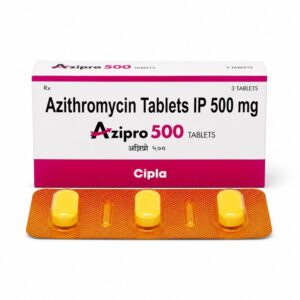
Azipro 500 mg Tablet (Azithromycin)
Price range: $90.00 through $300.00Select options - + wishlist+ compare
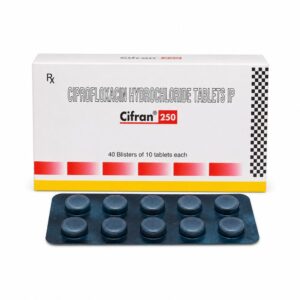
Cifran 250 mg Tablet (Ciprofloxacin)
Price range: $50.00 through $190.00Select options - + wishlist+ compare
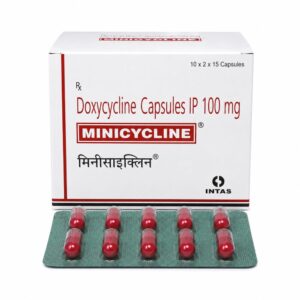
Minicycline 100mg ( Doxycycline )
Price range: $65.00 through $185.00Select options
There are no reviews yet.