

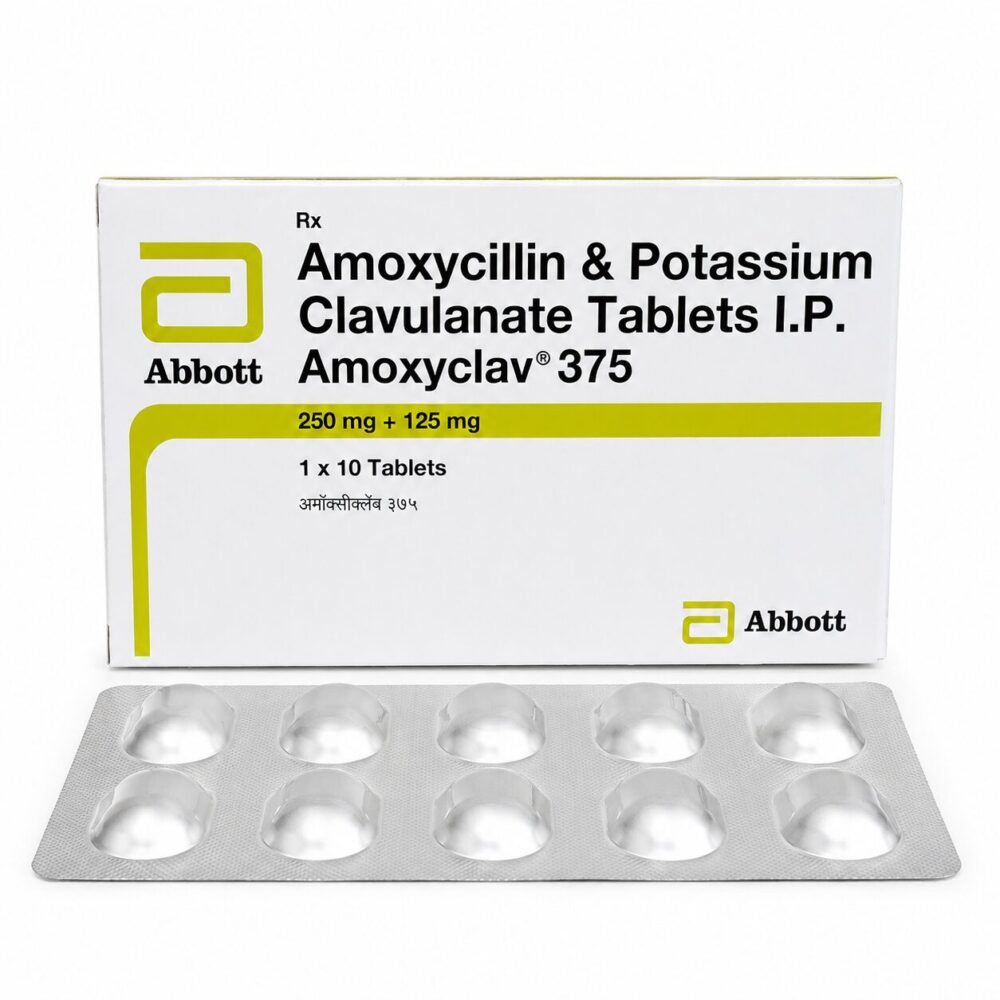
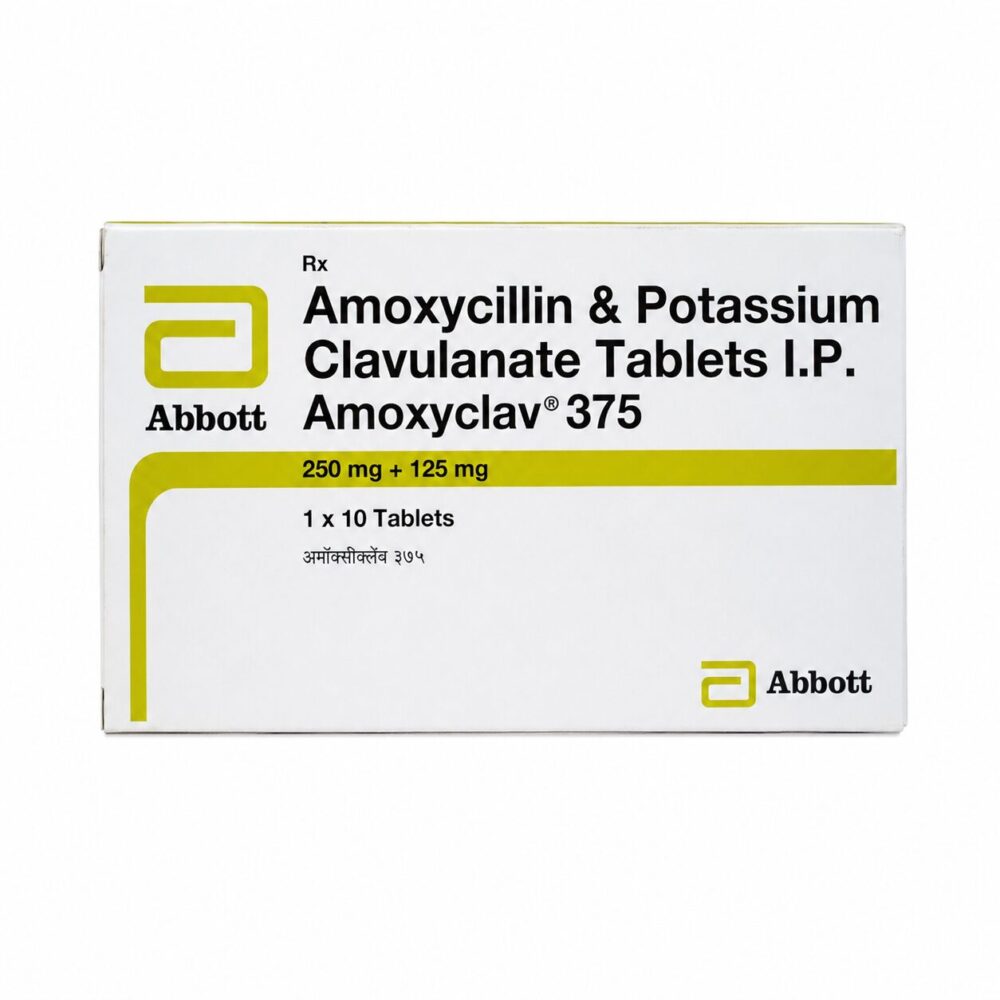
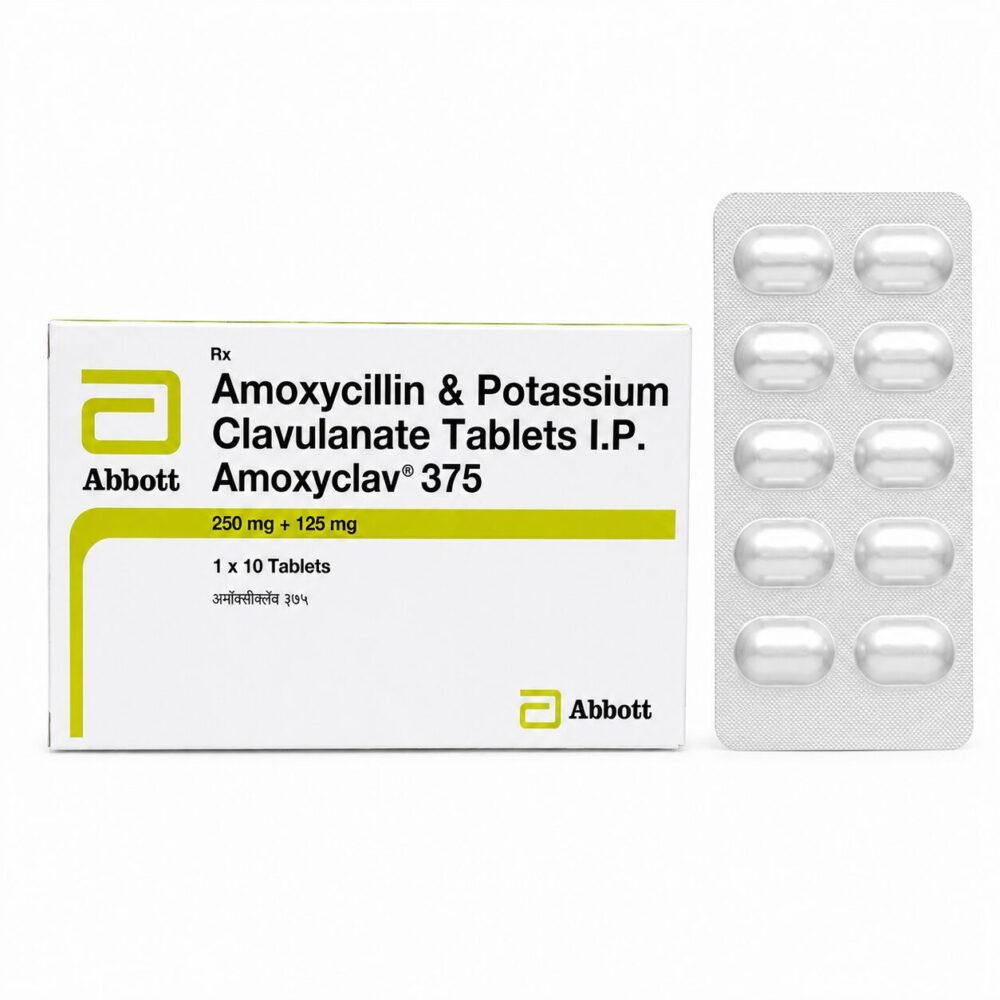
Amoxyclav 375 mg Tablet (Amoxicillin/Clavulanic Acid)
| Active Ingredients | Amoxicillin/Clavulanic Acid |
| Strength | Amoxicillin (250mg) + Potassium Clavulanate (125mg) |
| Dosage Form | Tablets |
| Therapeutic Category | Bacterial infections |
| Manufacturer | Abbott India Pvt Ltd |
| Packaging | 10 tablets in 1 strip |
| Storage Conditions | Cool and dry place |
| Packaging Type | Plain and discreet |
| Pack Size | Price/Unit | Price | Quantity | |
|---|---|---|---|---|
| 90 Tablet/s | $1.00 | $90.00 | ||
| 120 Tablet/s | $0.95 | $115.00 | ||
| 210 Tablet/s | $0.90 | $190.00 | ||
| 300 Tablet/s | $0.86 | $260.00 |
Price range: $90.00 through $260.00
What is Amoxyclav 375 mg Tablet?
Amoxyclav 375 mg Tablet belongs to the penicillin anti biotic group combined with a beta-lactamase inhibitor. Amoxicillin targets susceptible bacteria, while clavulanic acid protects the anti biotic from bacterial enzymes that reduce anti biotic activity.
That added protection gives the combination broader infection coverage than amoxicillin alone in many clinical situations.
Doctors often prescribe this strength where moderate antibacterial coverage is required without shifting to higher-dose formulations. ENT infections, chest infections, gum infections, urinary infections, and skin-related bacterial conditions are among the commonly treated concerns. Resistance patterns, patient age, kidney function, allergy history, and prior Anti Biotic use usually shape the prescription approach.
Uses of Amoxyclav 375 mg Tablet
Amoxyclav 375 mg Tablet is prescribed for multiple bacterial infections involving different body systems. Usage depends on laboratory findings, infection severity, and symptom progression.
Common therapeutic uses include:
- Sinus infections
- Tonsillitis and pharyngitis
- Ear infections
- Bronchitis
- Mild community-acquired pneumonia
- Urinary tract infections
- Dental abscesses
- Skin and soft tissue infections
- Wound-related bacterial infections
- Certain abdominal bacterial infections
Viral illnesses such as seasonal flu, viral fever, or the common cold do not respond to anti biotic treatment. Unnecessary anti biotic exposure may contribute to bacterial resistance and reduced future effectiveness.
How Amoxyclav 375 mg Tablet Functions
Amoxicillin interferes with bacterial cell wall formation, which weakens bacterial survival and replication. Some bacteria naturally produce beta-lactamase enzymes that break down ordinary penicillin anti biotics before they can act properly. Clavulanic acid blocks those enzymes and allows amoxicillin to remain active for a longer duration against susceptible organisms.
That combination explains why Amoxyclav 375 mg Tablet is frequently preferred in recurring ENT infections, dental infections, and respiratory tract infections where resistance concerns may exist.
Benefits of Amoxyclav 375 mg Tablet
Several clinical and practical factors contribute to the widespread prescription of this combination anti biotic.
- Covers a broader bacterial range compared to plain amoxicillin
- Useful in resistant bacterial infections involving beta-lactamase production
- Commonly selected for dental and throat infections
- Suitable for respiratory and urinary bacterial conditions
- Oral tablet format supports outpatient treatment
- Available in multiple strengths for dosage flexibility
Treatment response varies depending on bacterial sensitivity, immune status, infection duration, and adherence to the prescribed course.
Dosage and Administration
Dosage schedules vary according to infection type, severity, age group, and kidney function. Adults commonly receive the medicine two or three times daily depending on medical evaluation.
The tablet is generally taken at the beginning of a meal to lower stomach discomfort and improve tolerance. Swallowing the tablet whole with water is preferred instead of crushing or splitting unless specifically advised.
Stopping anti biotic therapy midway because symptoms appear reduced can increase the chance of relapse or bacterial resistance. Infections involving the lungs, gums, urinary tract, or skin often require completion of the prescribed duration even after visible improvement begins.
Missed Dose and Overdose
Missed Dose
A forgotten dose can be taken after remembering unless the next scheduled dose is close. Doubling the quantity to compensate for the missed tablet increases the possibility of unwanted effects and digestive discomfort.
Overdose
Excess intake may lead to nausea, vomiting, abdominal pain, diarrhea, dizziness, or fluid imbalance. Rare situations involving kidney complications or crystalluria have also been documented after very high exposure. Hospital-based supportive management may be required in severe overdose situations.
Side Effects of Amoxyclav 375 mg Tablet
Most reactions linked with Amoxyclav 375 mg Tablet remain temporary and improve after treatment completion. Digestive discomfort is among the most frequently reported concerns.
Common Side Effects
- Diarrhea
- Nausea
- Vomiting
- Mild stomach pain
- Headache
- Skin rash
- Indigestion
- Oral or vaginal fungal infection
Less Common But Serious Reactions
- Severe allergic reactions
- Persistent diarrhea linked with anti biotic associated colitis
- Liver enzyme abnormalities
- Yellowing of skin or eyes
- Severe skin eruptions
- Facial swelling
- Difficulty breathing
Rashes developing alongside fever, peeling skin, or swelling require urgent medical evaluation.
Precautions and Warnings
Allergy History
Penicillin allergy history deserves careful attention before starting treatment. Previous reactions linked with cephalosporins or beta-lactam anti biotics may also increase sensitivity risk.
Liver and Kidney Concerns
Dose adjustments may be required in kidney impairment. Liver enzyme monitoring can become necessary during prolonged treatment or repeated anti biotic exposure.
Infectious Mononucleosis
Amoxicillin-containing combinations may trigger pronounced rash formation in infectious mononucleosis cases, which is why diagnostic evaluation matters before anti biotic selection.
Gastrointestinal Concerns
Persistent diarrhea, severe abdominal cramps, or bloody stools during anti biotic therapy require prompt assessment since anti biotic-associated colitis remains a recognized complication.
Pregnancy and Breastfeeding
Pregnancy-related anti biotic decisions depend on infection severity and clinical necessity. Small amounts may pass into breast milk, though short-term use is often considered acceptable when medically indicated.
Drug Interactions
Certain medicines may alter the safety profile or effectiveness of Amoxyclav 375 mg Tablet.
Interactions Requiring Monitoring
- Warfarin
- Methotrexate
- Allopurinol
- Oral contraceptive pills
- Probenecid
Combination use with blood thinners may influence clotting parameters in some individuals. Gut flora changes associated with anti biotics can also reduce contraceptive reliability in certain situations.
Available Strengths and Alternatives
Amoxyclav is available in multiple strengths depending on infection severity and dosing requirements.
Amoxyclav 375 mg Tablet
Amoxyclav 625 mg Tablet
Amoxyclav 1000 mg Tablet
Augmentin 375 mg
Augmentin 625 mg
Amoxicillin standalone formulations
Cefuroxime-based alternatives
Azithromycin alternatives in selected penicillin-sensitive cases
Substitution decisions depend on infection site, bacterial resistance patterns, allergy status, and treatment response.
Frequently Asked Questions (FAQs)
Bacterial throat infections such as tonsillitis or pharyngitis are among the common prescription indications when bacterial involvement is suspected.
Digestive disturbance remains one of the most reported reactions with this combination anti biotic. Persistent or severe diarrhea deserves medical review.
Dental abscesses, gum infections, and bacterial swelling around teeth are among the commonly treated dental conditions.
No major direct interaction is widely recognized, though alcohol intake during active infection may worsen dehydration, stomach irritation, or weakness in some individuals.
Symptom relief often begins within a couple of days, though infection severity and bacterial response influence recovery timing.
Some individuals use probiotics to reduce digestive imbalance linked with anti biotic exposure, particularly during longer treatment duration.
Incomplete anti biotic exposure may allow bacteria to survive and contribute to recurrence or reduced anti biotic sensitivity later.
| Pack Size | 120 Tablet/s, 210 Tablet/s, 300 Tablet/s, 90 Tablet/s |
|---|---|
| Price/Unit | $0.86, $0.90, $0.95, $1.00 |
Related products
- + wishlist+ compare
Cifran 250 mg Tablet (Ciprofloxacin)
Price range: $50.00 through $190.00Select options - + wishlist+ compare
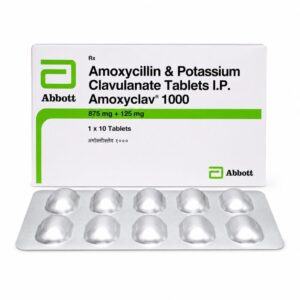
Amoxyclav 1000 Tablet (Amoxicillin/Clavulanic Acid)
Price range: $225.00 through $620.00Select options - + wishlist+ compare
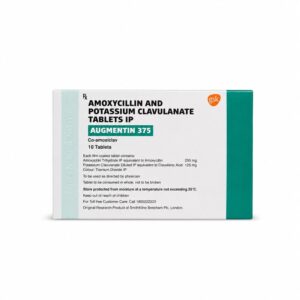
Augmentin 375mg ( Amoxycillin + Clavulanic Acid )
Price range: $120.00 through $300.00Select options - + wishlist+ compare
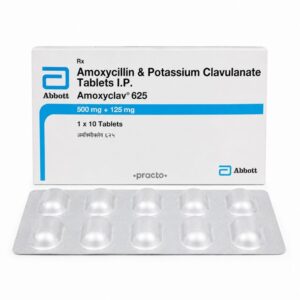
Amoxyclav 625 Tablet (Amoxicillin/Clavulanic Acid)
Price range: $120.00 through $300.00Select options - + wishlist+ compare
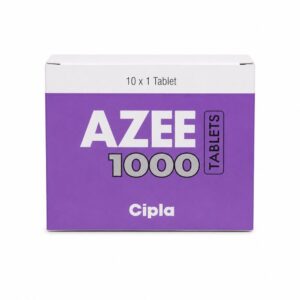
Azee 1000 mg (Azithromycin Tablet)
Price range: $180.00 through $620.00Select options
There are no reviews yet.