

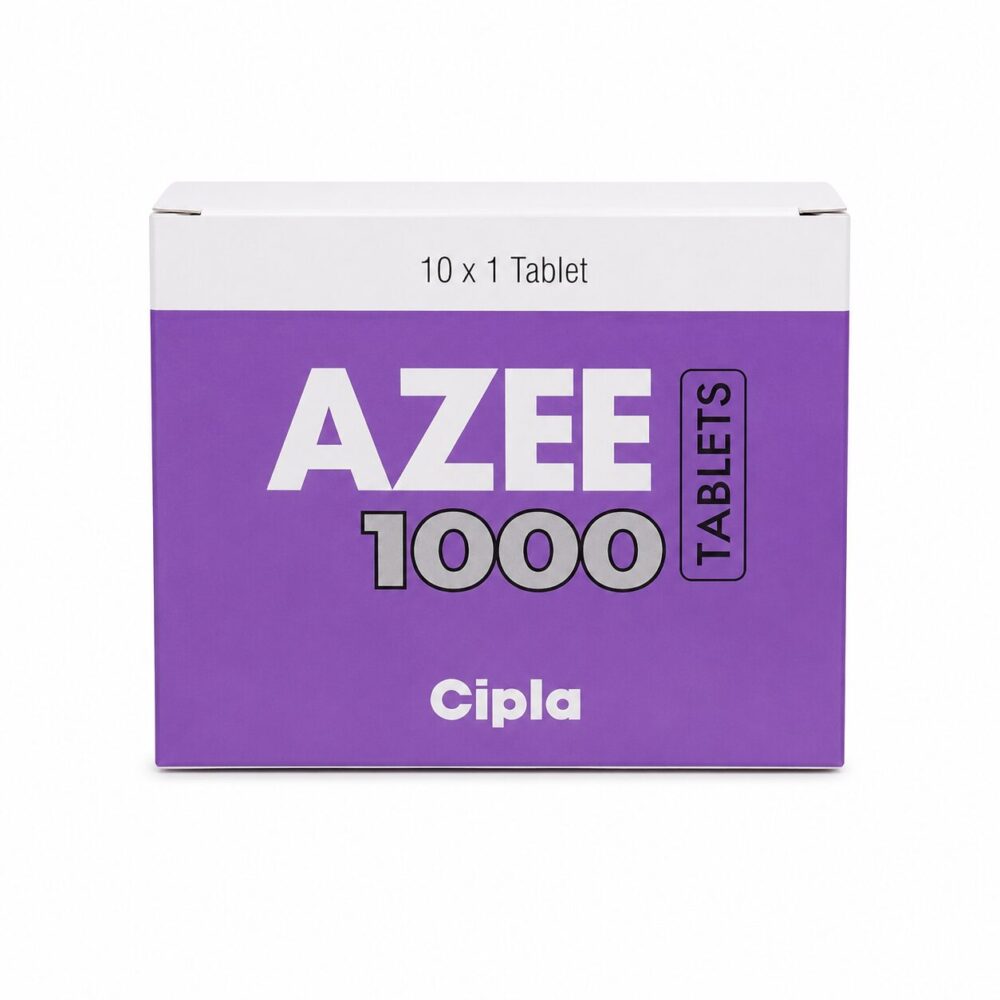
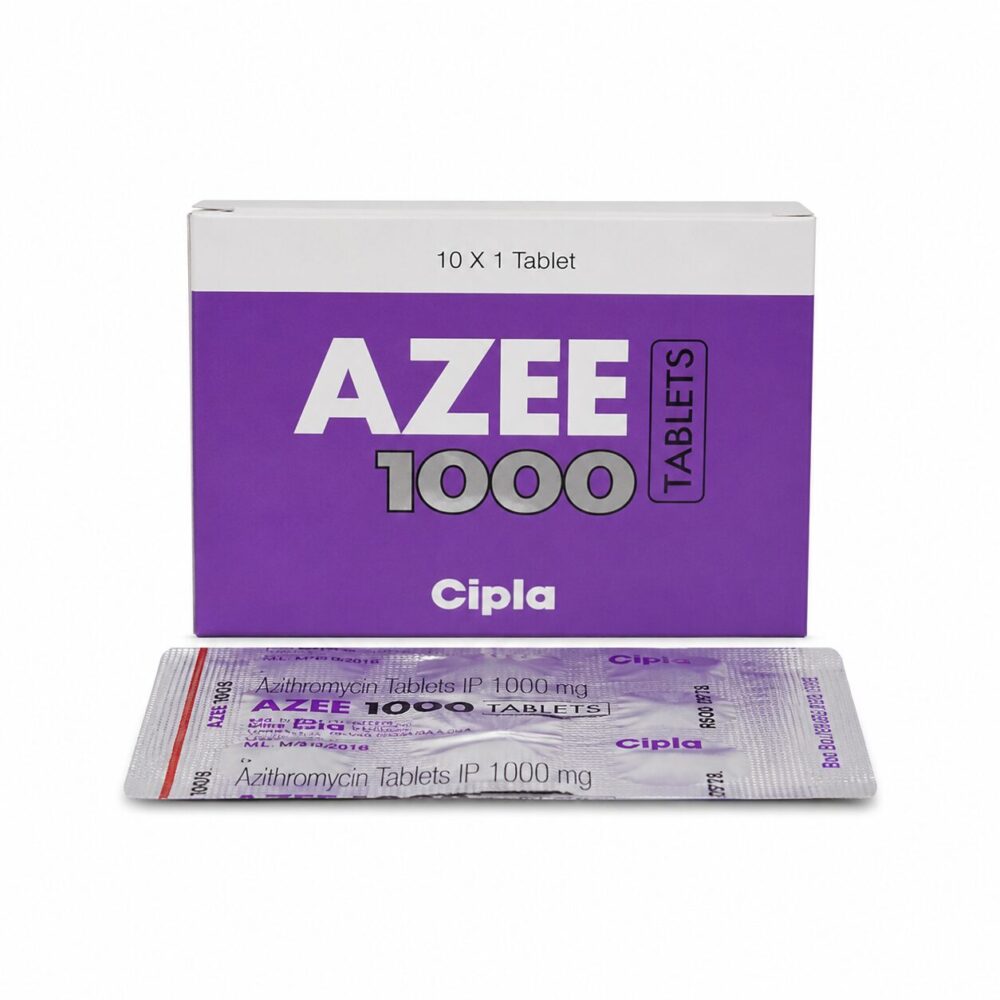
Azee 1000 mg (Azithromycin Tablet)
| Active Ingredients | Azithromycin |
| Strength | Azithromycin (1000mg) |
| Dosage Form | Tablets |
| Therapeutic Category | Antibiotic |
| Manufacturer | Cipla Ltd |
| Packaging | 1 tablets in 1 strip |
| Storage Conditions | Cool and dry place |
| Packaging Type | Plain and discreet |
| Pack Size | Price/Unit | Price | Quantity | |
|---|---|---|---|---|
| 90 Tablet/s | $2.00 | $180.00 | ||
| 120 Tablet/s | $1.95 | $235.00 | ||
| 220 Tablet/s | $1.90 | $440.00 | ||
| 350 Tablet/s | $1.77 | $620.00 |
Price range: $180.00 through $620.00
What Is Azee 1000 mg?
Azee 1000 mg is a high-strength Azithromycin tablet used in bacterial infections where stronger Antibiotic coverage is required. Azithromycin belongs to the macrolide group and is widely prescribed because of its long tissue retention and shorter treatment duration compared to many older antibiotics.
Doctors may recommend this strength for severe throat infections, respiratory tract infections, certain skin infections, sinus infections, and selected sexually transmitted bacterial conditions. Viral illnesses such as flu or common cold do not respond to Azithromycin, since antibiotics target bacteria and not viruses.
Many users prefer Azee tablets due to once-daily dosing in several treatment plans. Easy dosing schedules often improve treatment completion rates and reduce missed doses.
Uses of Azee 1000 mg
Azee 1000 mg is prescribed for multiple bacterial infections affecting different parts of the body. The exact use depends on infection severity, bacterial type, medical history, and doctor evaluation.
Common uses include:
- Severe throat and tonsil infections
- Chest infections and bronchitis
- Community-acquired pneumonia
- Sinus infection
- Ear infection
- Skin and soft tissue infection
- Certain sexually transmitted bacterial infections
- Dental bacterial infections in selected cases
Azithromycin is also chosen in situations where penicillin-based antibiotics are not suitable. Infection symptoms such as swelling, fever, throat pain, mucus production, or skin redness often begin reducing after bacterial growth slows down during treatment.
How Azee 1000 mg Supports Infection Control
Azithromycin enters bacterial cells and blocks protein production needed for bacterial survival and multiplication. Once bacterial growth slows down, the body gets a better chance to clear the infection naturally.
Azee 1000 mg stays active inside tissues for an extended period, which is one reason shorter antibiotic courses are sometimes possible. Many doctors consider Azithromycin useful for respiratory infections because of its strong tissue penetration in the lungs and throat region.
Skipping doses or stopping treatment too early can allow bacteria to survive and become harder to treat later. Completing the prescribed course helps lower that risk.
Dosage and Administration
Dosage depends on infection type, age, medical history, and severity level. Some infections require a single high dose, while others need multiple days of treatment.
Azee 1000 mg is generally taken with water at the same time each day. Food may reduce stomach discomfort for some users, though dosing instructions can vary depending on the prescription pattern.
Missed doses should be taken as soon as remembered unless the next scheduled dose is near. Double dosing increases side effect risk and should be avoided.
Benefits of Azee 1000 mg
Azee 1000 mg remains a widely prescribed antibiotic because of several practical advantages linked with Azithromycin therapy.
Key benefits include:
- Convenient dosing schedule
- Long-lasting tissue action
- Shorter treatment duration in many cases
- Suitable option for multiple bacterial infections
- Often prescribed when penicillin alternatives are needed
- Strong lung and throat tissue penetration
Many users also prefer shorter antibiotic schedules because they are easier to complete without missing doses.
Side Effects of Azee 1000 mg
Like other antibiotics, Azee 1000 mg can cause side effects in some users. Most reactions are mild and temporary, especially stomach-related symptoms.
Common Side Effects
- Nausea
- Loose stools
- Stomach pain
- Vomiting
- Headache
- Mild dizziness
- Loss of appetite
Digestive discomfort is among the most reported reactions with Azithromycin treatment.
Serious Side Effects
Rare but serious reactions may include:
- Irregular heartbeat
- Severe allergic skin reaction
- Liver-related symptoms
- Breathing difficulty
- Severe diarrhea lasting several days
Unexpected or intense symptoms need medical evaluation without delay.
Precautions Before Using Azee 1000 mg
Certain medical conditions require extra attention before starting Azithromycin treatment. Liver disorders, heart rhythm issues, electrolyte imbalance, or previous antibiotic allergy history can affect treatment suitability.
Mixing antibiotics with alcohol may increase stomach discomfort and weakness in some individuals. Driving or machine operation may feel difficult if dizziness appears after dosing.
Pregnancy and breastfeeding decisions depend on infection severity and medical assessment. Existing medication history also matters because Azithromycin may interact with heart medicines, antacids, blood thinners, and selected migraine treatments.
Drug Interactions
Interaction risks may increase with:
- Antacids containing aluminum or magnesium
- Warfarin and blood thinners
- Anti-arrhythmic medicines
- Ergot medicines
- Certain antifungal medicines
- Cholesterol-lowering drugs
Sharing a full medicine list before starting treatment reduces unnecessary complications.
Frequently Asked Questions (FAQs)
Azee 1000 mg is used for bacterial infections affecting the throat, lungs, chest, skin, ears, and selected sexually transmitted infections.
Azithromycin remains inside body tissues for several days after the final dose, which supports shorter treatment schedules in many cases.
Loose stools and stomach upset are among the commonly reported side effects linked with Azithromycin antibiotics.
Some people take it on an empty stomach, while others prefer food to reduce stomach discomfort. Prescription instructions may vary.
Fever linked with bacterial infection may improve during antibiotic treatment. Viral fever generally does not respond to antibiotics.
Alcohol may increase nausea, stomach irritation, and weakness in some individuals during antibiotic treatment.
Many users notice symptom relief within a few days, though treatment response depends on infection severity and bacterial type.
| Pack Size | 120 Tablet/s, 220 Tablet/s, 350 Tablet/s, 90 Tablet/s |
|---|---|
| Price/Unit | $1.77, $1.90, $1.95, $2.00 |
Related products
- + wishlist+ compare
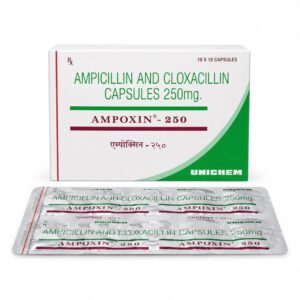
Ampoxin 250 mg (Ampicillin/Cloxacillin)
Price range: $60.00 through $190.00Select options - + wishlist+ compare
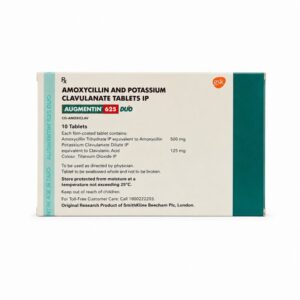
Augmentin 625mg Duo ( Amoxycillin + Clavulanic Acid )
Price range: $120.00 through $300.00Select options - + wishlist+ compare
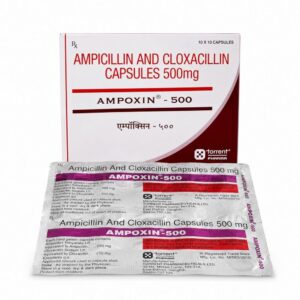
Ampoxin 500 mg (Ampicillin/Cloxacillin)
Price range: $80.00 through $220.00Select options
There are no reviews yet.