
0

Cart

Home 3ShopAnti BioticAzicip 250 mg Tablet (Azithromycin)

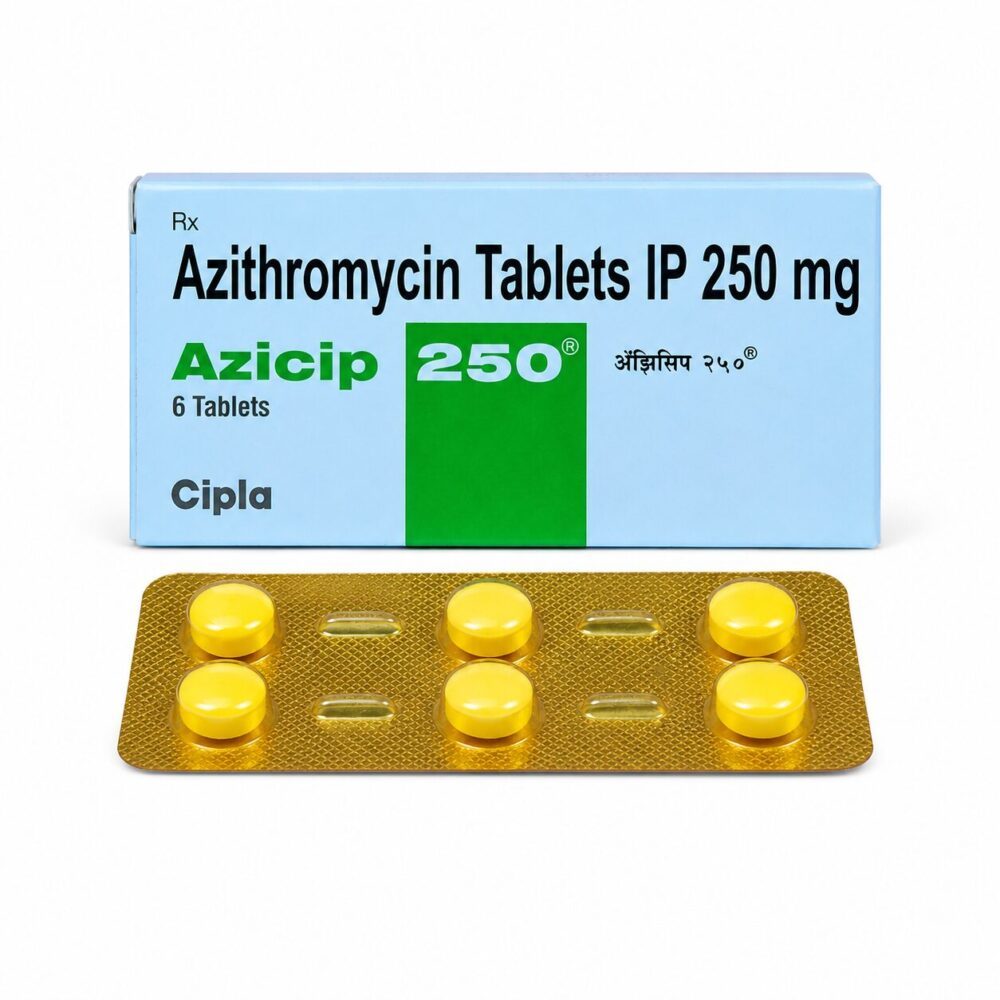
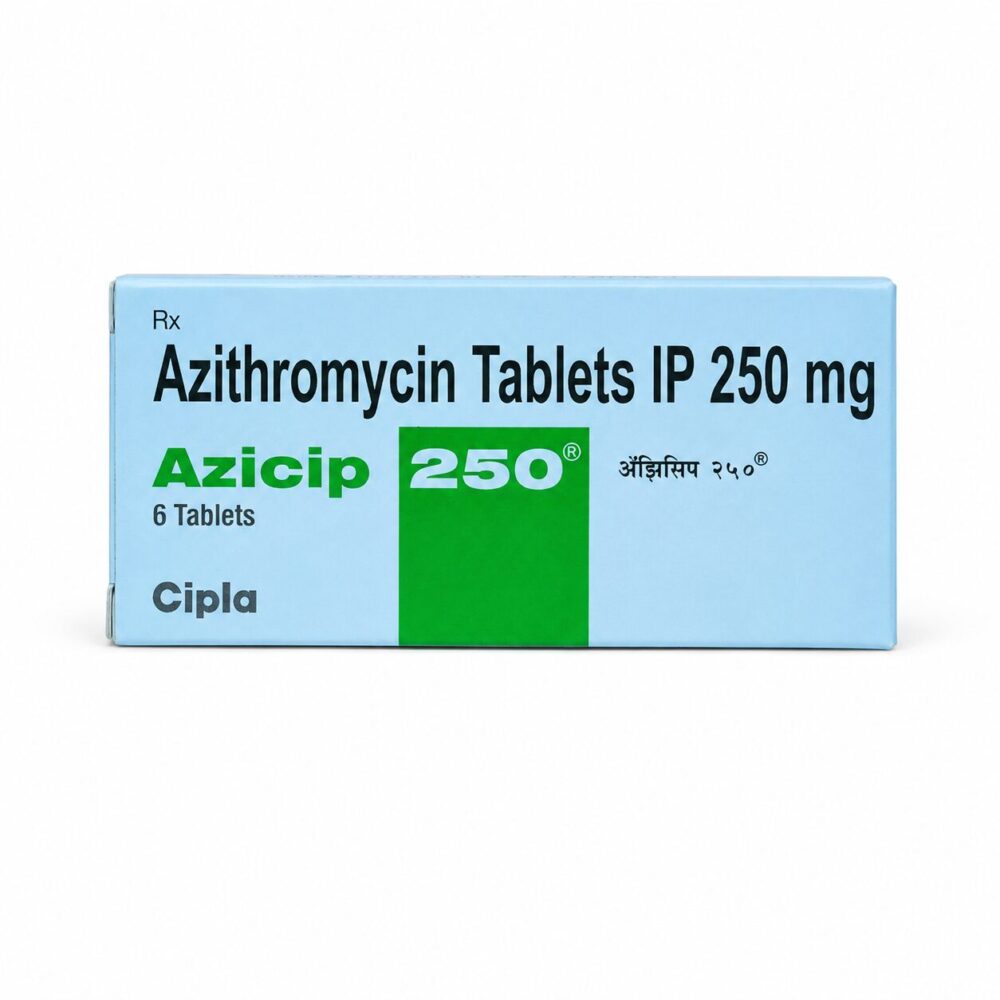
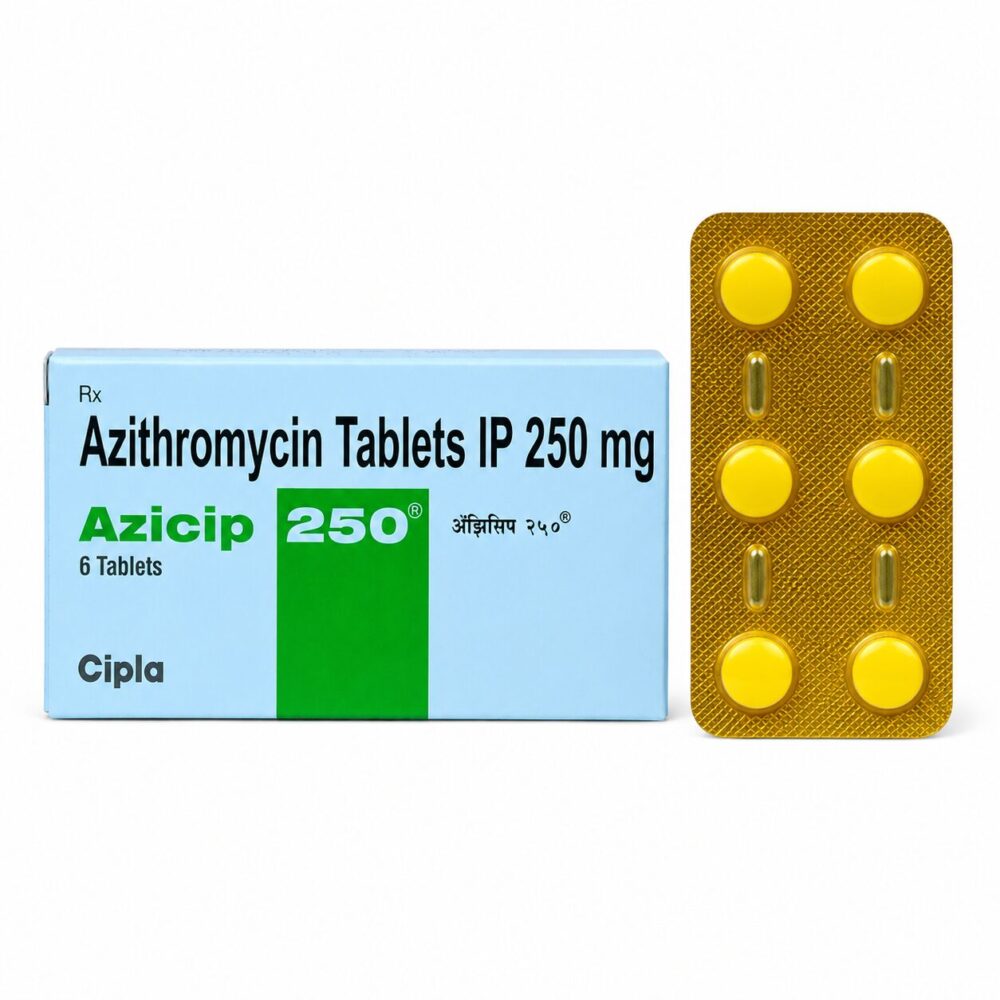
Azicip 250 mg Tablet (Azithromycin)

Active IngredientsAzithromycin
StrengthAzithromycin (250mg)
Dosage FormTablets
Therapeutic CategoryAntibiotic
ManufacturerCipla Ltd
Packaging6 tablets in 1 strip
Storage ConditionsCool and dry place
Packaging TypePlain and discreet

Pack SizePrice/UnitPriceQuantity 
60 Tablet/s$0.83$50.00
120 Tablet/s$0.73$90.00
180 Tablet/s$0.69$125.00
240 Tablet/s$0.64$155.00

Price range: $50.00 through $155.00

Discreet Shipping
Secure Checkout
Assured Delivery
Add to wishlist Add to compareAsk about product
SKU: N/A Categories: ,

What Is Azicip 250 mg?

Azicip 250 mg contains Azithromycin, a medicine used to manage bacterial infections in different parts of the body. Treatment plans often include this tablet for throat infections, sinus infections, chest infections, tonsillitis, ear infections, and certain skin-related bacterial problems.

Compared with many older antibiotics, Azithromycin is known for shorter treatment duration in several cases.

Many doctors prefer once-daily dosing because it becomes easier for people to complete the full course properly. Incomplete Antibiotic treatment can increase the chance of bacterial resistance and recurring infection. Azicip 250 mg does not treat viral illnesses. Cough caused by seasonal flu, common cold, or viral fever may not improve with antibiotic use unless a bacterial infection is also present.

Uses of Azicip 250 mg

Azicip 250 mg is prescribed for different bacterial infections where Azithromycin is considered suitable after medical evaluation.

Common uses include:

  • Throat infections
  • Tonsillitis
  • Sinus infections
  • Chest infections
  • Bronchitis
  • Respiratory tract infections
  • Ear infections
  • Mild skin infections
  • Certain eye-related bacterial infections
  • Community-acquired pneumonia
  • Some sexually transmitted bacterial infections

Doctors may adjust treatment duration depending on infection severity, age, body weight, and medical history.

How Azicip 250 mg Acts in the Body

Bacteria need protein production to survive and multiply inside the body. Azithromycin interrupts that process and slows bacterial growth. Once bacterial activity reduces, the immune system gets a better chance to clear the infection.

Azicip 250 mg stays active in body tissues for a longer duration compared with many antibiotics. That is one reason shorter treatment schedules are often prescribed.

How to Take Azicip 250 mg

Swallow the tablet whole with water. Crushing or breaking the tablet is generally avoided unless advised differently. Fixed timing during the day helps maintain steady medicine levels in the body.

Food may or may not be required depending on stomach sensitivity. Some people prefer taking it after meals to reduce stomach discomfort. Antacid medicines containing aluminum or magnesium are usually kept a few hours apart from Azicip 250 mg because absorption may get affected.

Stopping antibiotics early after symptoms improve can allow bacteria to survive and return later.

Dosage Information

Dosage depends on the infection type, age group, severity, and treatment duration planned by the doctor.

Missed Dose

A missed tablet can be taken after remembering it. If the next scheduled dose is very close, skipping the forgotten dose may be safer than taking two tablets together. Double dosing increases the chance of unwanted effects without improving recovery.

Overdose

Excess intake may lead to stomach pain, nausea, vomiting, loose motions, dizziness, or temporary hearing-related problems in some situations. Emergency medical care becomes necessary if unusual symptoms appear after consuming too much medicine.

Side Effects of Azicip 250 mg

Many people complete treatment without major problems, though some temporary side effects can occur during antibiotic use.

Commonly reported effects include:

  • Nausea
  • Loose stools
  • Stomach discomfort
  • Vomiting
  • Mild rash
  • Headache
  • Dizziness
  • Loss of appetite

Serious Side Effects

  • Rare but serious reactions may include:
  • Severe allergic reaction
  • Irregular heartbeat
  • Yellowing of skin or eyes
  • Severe diarrhea lasting several days
  • Breathing difficulty
  • Swelling of face or throat

Sudden severe symptoms require urgent medical evaluation.

Precautions Before Using Azicip 250 mg

Certain health conditions may require extra attention before starting treatment.

Heart Rhythm Problems

People with irregular heartbeat history, prolonged QT interval, or ongoing heart treatment may require careful monitoring because Azithromycin can affect electrical rhythm in the heart in rare situations.

Liver Disorders

Past liver disease, jaundice history, or abnormal liver reports should be discussed before treatment starts. The liver processes Azithromycin inside the body.

Kidney Problems

Kidney impairment may change how medicines stay in the body. Dose adjustments sometimes become necessary depending on overall health condition.

Myasthenia Gravis

Muscle weakness disorders such as myasthenia gravis may worsen during macrolide antibiotic therapy in some individuals.

Pregnancy and Breastfeeding

Pregnant or breastfeeding women usually receive Azithromycin only after medical evaluation of expected benefits and possible risks.

Drug Interactions

Azicip 250 mg can interact with certain medicines and alter their effects or side effect profile.

Medicines often reviewed before prescribing include:

  • Antacids containing magnesium or aluminum
  • Heart rhythm medicines
  • Blood thinners
  • Ergot medicines
  • Certain psychiatric medicines
  • Cholesterol-lowering drugs
  • Anti-seizure medicines

Sharing a complete medication list with the prescribing doctor helps reduce avoidable complications.

When Azicip 250 mg Should Be Avoided

Certain situations may make this medicine unsuitable.

Avoid use in cases such as:

  • Allergy to Azithromycin
  • Allergy to macrolide antibiotics
  • Previous serious liver reaction from Azithromycin
  • Severe allergic antibiotic history without medical clearance

Improper antibiotic use may increase bacterial resistance over time.

Frequently Asked Questions (FAQs)


Azicip 250 mg is used for bacterial infections involving the throat, lungs, chest, ears, skin, and respiratory tract.


Cold and flu usually happen because of viruses. Antibiotics like Azicip 250 mg are meant for bacterial infections.


Many people notice symptom improvement within a few days, though infection severity and body response can change recovery time.


Loose motions and stomach upset are among the commonly reported side effects during antibiotic treatment.


Some people take it without food, while others prefer taking it after meals if stomach irritation occurs.


Incomplete treatment may allow bacteria to survive and return later, which can also increase antibiotic resistance risk.


Antacids containing magnesium or aluminum can affect absorption. A time gap between both medicines is often recommended.


Dizziness may occur in certain people during treatment. Driving or machine handling becomes risky if such symptoms appear.


References

  1. https://medlineplus.gov/druginfo/meds/a697037.html
  2. https://www.nhs.uk/medicines/antibiotics/
  3. https://www.cdc.gov/antibiotic-use/index.html

Pack Size

120 Tablet/s, 180 Tablet/s, 240 Tablet/s, 60 Tablet/s

Price/Unit

$0.64, $0.69, $0.73, $0.83

There are no reviews yet.

Be the first to review “Azicip 250 mg Tablet (Azithromycin)”

Your email address will not be published. Required fields are marked *

Error: Contact form not found.