

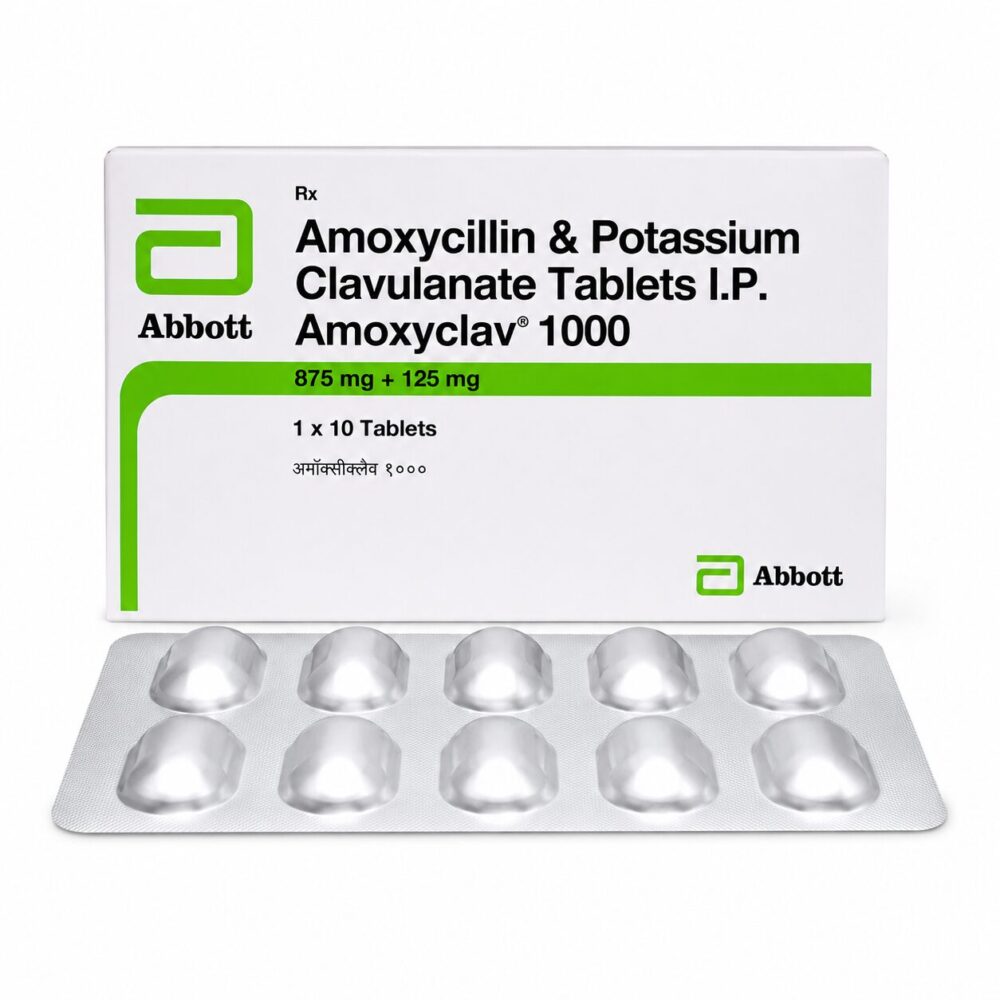
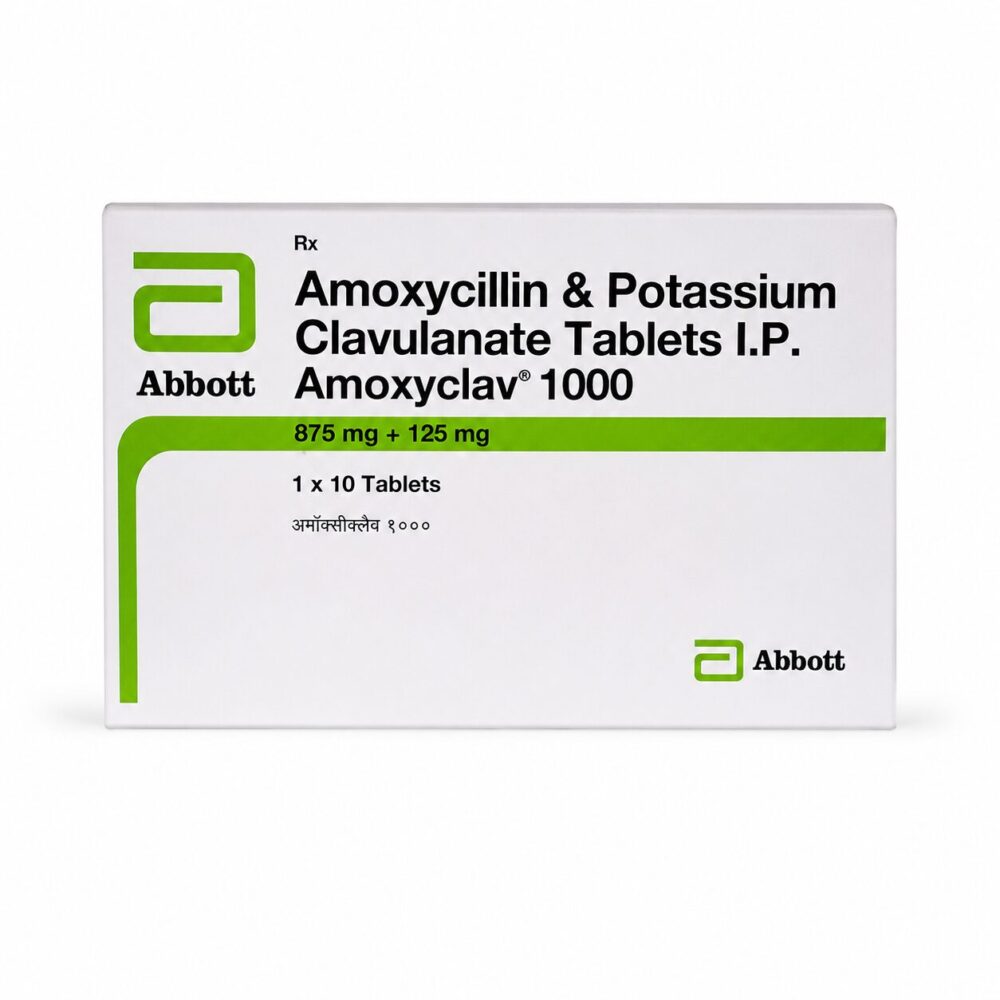
Amoxyclav 1000 Tablet (Amoxicillin/Clavulanic Acid)
| Active Ingredients | Amoxicillin/Clavulanic Acid |
| Strength | Amoxicillin (875mg) + Potassium Clavulanate (125mg) |
| Dosage Form | Tablets |
| Therapeutic Category | Bacterial infections |
| Manufacturer | Abbott India Pvt Ltd |
| Packaging | 10 tablets in 1 strip |
| Storage Conditions | Cool and dry place |
| Packaging Type | Plain and discreet |
| Pack Size | Price/Unit | Price | Quantity | |
|---|---|---|---|---|
| 90 Tablet/s | $2.50 | $225.00 | ||
| 120 Tablet/s | $2.41 | $290.00 | ||
| 210 Tablet/s | $2.28 | $480.00 | ||
| 300 Tablet/s | $2.06 | $620.00 |
Price range: $225.00 through $620.00
Amoxyclav 1000 mg (Amoxicillin/Clavulanic Acid)
Bacterial infections can affect different parts of the body and may become difficult to manage if not treated on time. It is a commonly prescribed Antibiotic Medicine used for treating a wide range of bacterial infections, including respiratory tract infections, urinary tract infections, skin infections, and dental infections. The medicine combines two active ingredients that work together to improve antibacterial activity and help overcome certain resistant bacteria. Doctors often prescribe Amoxyclav 1000 mg when regular antibiotics alone may not provide adequate infection control. Its broad-spectrum antibacterial action makes it useful in both mild and severe bacterial conditions.
What is Amoxyclav 1000 mg?
Amoxyclav 1000 mg is a combination antibiotic medicine containing Amoxicillin and Clavulanic Acid. Amoxicillin belongs to the penicillin class of antibiotics and helps destroy bacteria by preventing bacterial cell wall formation. Clavulanic Acid acts as a beta-lactamase inhibitor, helping protect Amoxicillin from bacterial enzymes that can reduce its effectiveness.
This medicine is commonly recommended for infections caused by susceptible bacteria, especially when standard antibiotics may not work effectively. It is frequently prescribed for chest infections, throat infections, sinus infections, ear infections, urinary tract infections, skin infections, and dental abscesses. The combination formula gives broader antibacterial coverage compared to Amoxicillin alone. Because of this, physicians may prescribe Amoxyclav 1000 mg in situations where bacterial resistance is suspected or when infections are more persistent. Proper medical evaluation is important before starting treatment because antibiotics should only be used for confirmed bacterial infections and not viral illnesses such as the common cold or flu.
How Does Amoxyclav 1000 mg Work?
Amoxyclav 1000 mg works through the combined action of its two active ingredients. Amoxicillin interferes with the formation of bacterial cell walls, causing the bacteria to weaken and eventually die.
However, some bacteria produce enzymes called beta-lactamases that can break down Amoxicillin and reduce its effectiveness. Clavulanic Acid helps block these bacterial enzymes and protects Amoxicillin from destruction. This combination improves the medicine’s ability to fight resistant bacteria and extends its antibacterial coverage. Because of this dual-action mechanism, Amoxyclav 1000 mg is commonly used in infections where resistance to standard penicillin antibiotics may occur.
Uses of Amoxyclav 1000 mg
Amoxyclav 1000 mg tablet is prescribed for the treatment of several bacterial infections affecting different body systems. The medicine is effective against susceptible bacteria and may be used in both outpatient and hospital treatment settings.
Common uses include:
- Respiratory tract infections
- Bronchitis and pneumonia
- Sinus infections
- Ear and throat infections
- Urinary tract infections
- Skin and soft tissue infections
- Dental infections and abscesses
- Bone and joint infections
- Certain gynecological infections
Doctors may recommend this medicine when infections are severe, recurrent, or caused by bacteria known to produce beta-lactamase enzymes. Completing the prescribed course is important even if symptoms improve early because stopping antibiotics too soon may allow bacteria to survive and increase resistance risk.
Benefits of Amoxyclav 1000 mg
Amoxyclav 1000 mg offers broad-spectrum antibacterial coverage, making it effective against multiple types of bacterial infections. The addition of Clavulanic Acid improves the medicine’s ability to treat resistant bacterial strains that may not respond to Amoxicillin alone. Another important benefit is its usefulness in treating complicated infections involving the respiratory tract, urinary tract, and skin tissues. Many physicians prefer this combination because it provides reliable infection control while reducing the chance of bacterial survival caused by enzyme-mediated resistance.
The medicine is also available in tablet form, making it convenient for patients following prescribed antibiotic therapy at home. However, treatment success depends heavily on proper dosing, medical supervision, and completing the full course.
Dosage Guidelines
The dosage of Amoxyclav 1000 mg depends on several medical factors, including the type of infection, severity of symptoms, patient age, body weight, kidney function, and overall health condition. Most adults are advised to take the tablet exactly as prescribed by their physician.
The medicine is commonly taken every 12 hours with water. Taking the tablet with food may help reduce stomach discomfort and improve tolerability. Patients should avoid skipping doses because inconsistent antibiotic use can reduce treatment effectiveness. Do not increase, decrease, or stop the medication without medical guidance. If a dose is missed, take it as soon as remembered unless the next scheduled dose is near. Avoid taking double doses to compensate for missed medication.
Who Should Avoid Amoxyclav 1000 mg?
Amoxyclav 1000 mg may not be suitable for everyone. Certain medical conditions and allergy histories can increase the risk of complications while using this antibiotic.
People who should avoid this medicine include:
- Patients allergic to penicillin antibiotics
- Individuals with allergy to clavulanic acid or cephalosporins
- Patients with previous severe allergic reactions to antibiotics
- Individuals with history of antibiotic-associated jaundice
- Patients with serious liver disease linked to Amoxicillin or Clavulanic Acid
Patients with kidney disease, liver disorders, or gastrointestinal conditions should inform their doctor before starting treatment. A complete medical history helps reduce the risk of complications and drug-related adverse effects.
Possible Side Effects
Like most antibiotics, Amoxyclav 1000 mg may cause side effects in some individuals. Many side effects are mild and temporary, but severe reactions require immediate medical attention.
Common side effects include:
- Nausea
- Vomiting
- Diarrhea
- Abdominal discomfort
- Indigestion
- Headache
- Dizziness
- Skin rash
- Itching
Rare but serious side effects may include:
- Severe allergic reactions
- Liver enzyme abnormalities
- Jaundice
- Severe skin reactions
- Persistent diarrhea
Patients experiencing breathing difficulty, swelling, severe rash, or signs of liver problems should seek emergency medical care immediately. Persistent or severe symptoms should never be ignored during antibiotic therapy.
Drug Interactions
Certain medications may interact with Amoxyclav 1000 mg and alter its effectiveness or increase the risk of side effects. Patients should provide their doctor with a complete list of prescription medicines, supplements, and herbal products before treatment begins.
Possible drug interactions include:
- Warfarin
- Methotrexate
- Allopurinol
- Probenecid
- Oral contraceptives
- Tetracycline antibiotics
- Macrolide antibiotics
- Sulfonamides
- Chloramphenicol
- Mycophenolate mofetil
Alcohol should generally be limited during antibiotic treatment, especially if stomach irritation or dizziness occurs. Patients taking blood thinners or medicines affecting liver or kidney function require closer monitoring.
Precautions and Warnings
Important Precautions
Amoxyclav 1000 mg should only be used for bacterial infections confirmed or suspected by a healthcare professional. Improper antibiotic use can contribute to antibiotic resistance and reduce future treatment effectiveness. Patients should stay hydrated during treatment and monitor for signs of allergic reactions such as rash, swelling, breathing difficulty, or severe itching. Individuals with kidney impairment may require dosage adjustments to reduce the risk of medicine accumulation in the body.
Long-term or repeated antibiotic use may occasionally lead to secondary fungal infections such as oral thrush or vaginal yeast infections. Elderly patients and those with underlying medical conditions may require additional monitoring during therapy.
Pregnancy and Breastfeeding
Pregnant or breastfeeding women should use Amoxyclav 1000 mg only when clearly recommended by a healthcare provider. The benefits and risks should be carefully evaluated before treatment begins.
Liver and Kidney Warnings
Patients with liver disease or previous antibiotic-related liver complications should use this medicine cautiously. Severe liver-related reactions, though uncommon, may occur in certain individuals. Kidney impairment may also affect medicine clearance and dosage planning.
What to Do in Case of Overdose?
An overdose of Amoxyclav 1000 mg may cause symptoms such as severe nausea, vomiting, diarrhea, abdominal pain, dizziness, or convulsions. In serious cases, overdose may contribute to kidney complications or crystalluria. If an overdose is suspected, immediate medical attention is necessary. Patients should contact emergency medical services or visit the nearest healthcare facility promptly. Carrying the medicine strip or packaging may help healthcare providers identify the medication quickly.
Frequently Asked Questions (FAQs)
Amoxyclav 1000 mg is used for treating bacterial infections such as respiratory infections, urinary tract infections, dental infections, sinus infections, and skin infections caused by susceptible bacteria.
No. This medicine is an antibiotic and works only against bacterial infections. It does not treat viral illnesses like colds, flu, or most viral sore throats.
Take the medicine exactly as prescribed by your doctor, preferably with food and water to reduce stomach discomfort. Do not skip doses or stop treatment early without medical advice.
Take the missed dose as soon as you remember. If your next dose is near, skip the missed dose and continue your regular schedule. Avoid taking double doses.
Yes, diarrhea is a common antibiotic-related side effect. However, severe or persistent diarrhea should be reported to a healthcare professional immediately.
Pregnant women should use this medicine only under medical supervision after discussing potential risks and benefits with their healthcare provider.
| Pack Size | 120 Tablet/s, 210 Tablet/s, 300 Tablet/s, 90 Tablet/s |
|---|---|
| Price/Unit | $2.06, $2.28, $2.41, $2.50 |
Related products
- + wishlist+ compare
Azee 1000 mg (Azithromycin Tablet)
Price range: $180.00 through $620.00Select options - + wishlist+ compare
Augmentin 625mg Duo ( Amoxycillin + Clavulanic Acid )
Price range: $120.00 through $300.00Select options - + wishlist+ compare
Augmentin 1000mg Duo ( Amoxycillin + Clavulanic Acid )
Price range: $225.00 through $620.00Select options - + wishlist+ compare
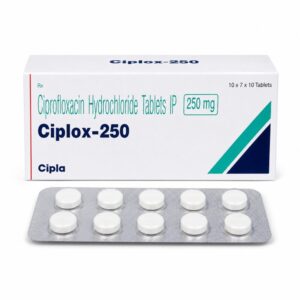
Ciplox 250 mg Tablet (Ciprofloxacin)
Price range: $50.00 through $190.00Select options


There are no reviews yet.