

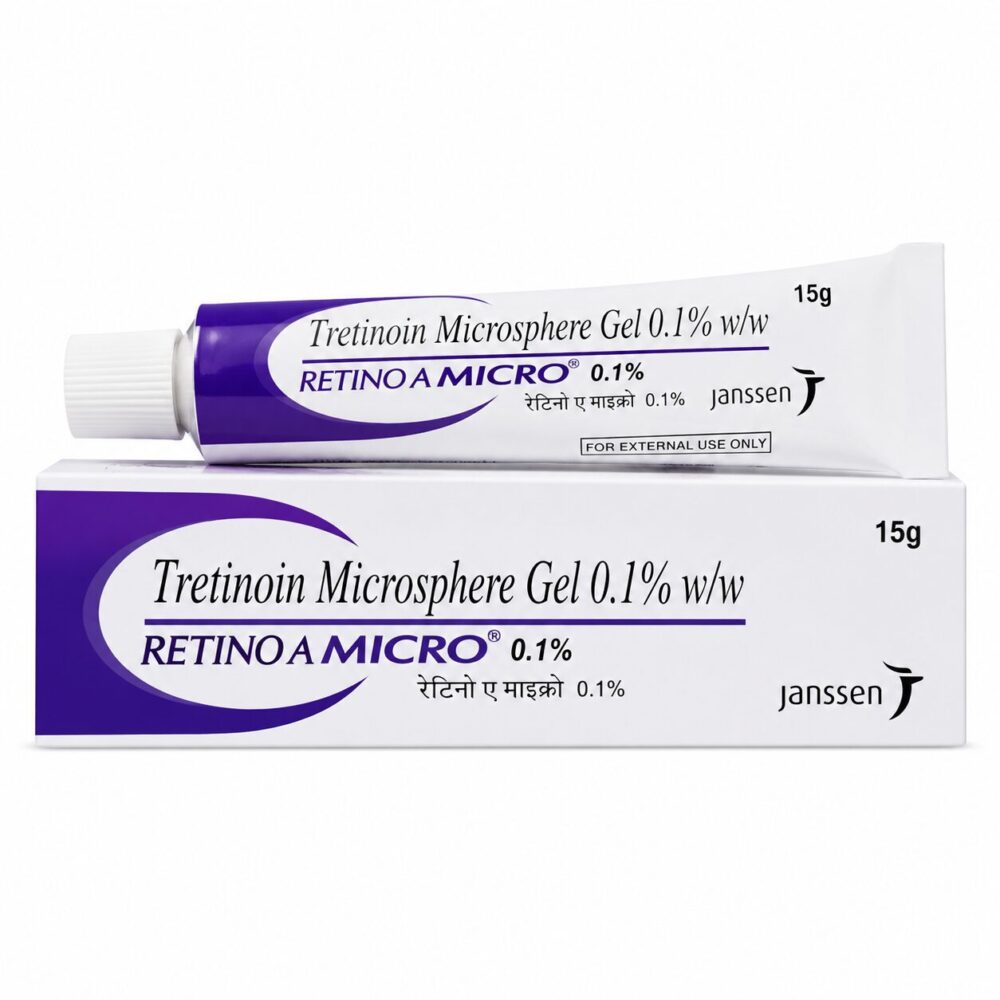
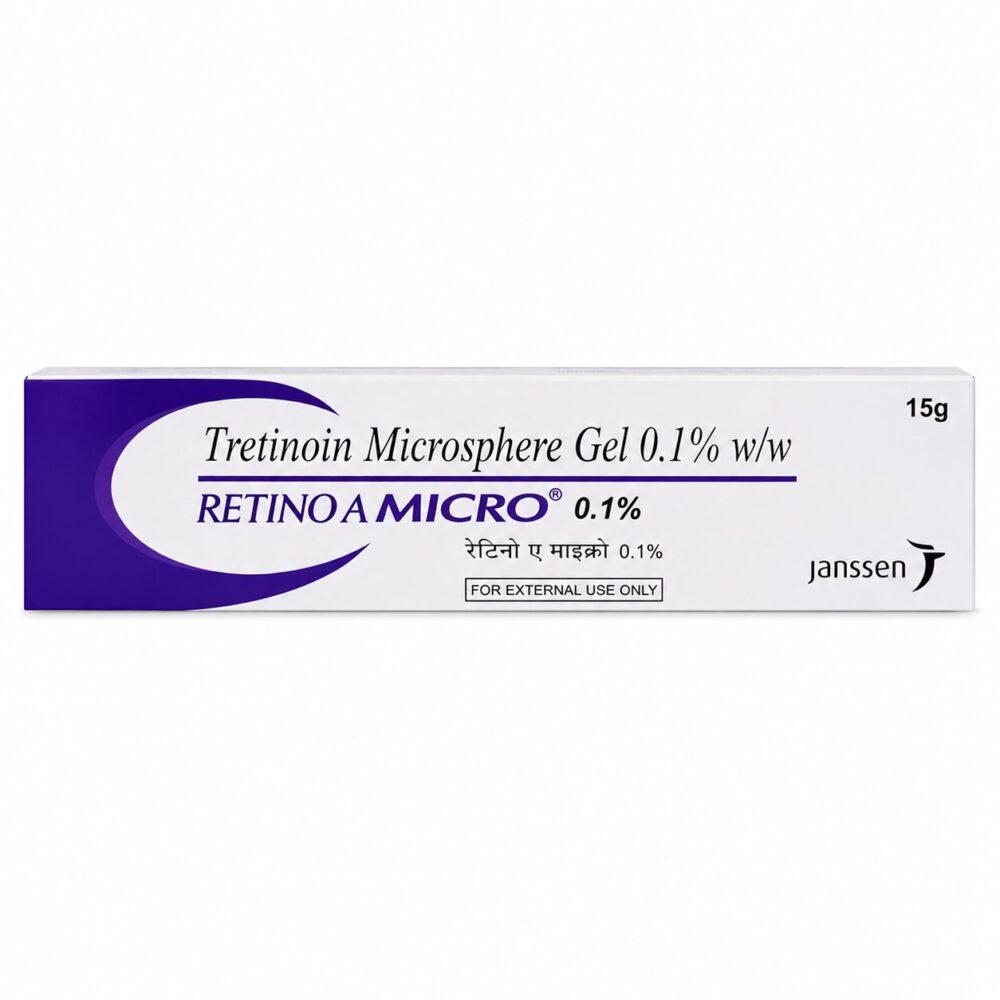
Retino A Micro 0.1% Gel (Tretinoin Microsphere Gel)
| Active Ingredients | Tretinoin |
| Strength | Tretinoin 0.1% |
| Dosage Form | Topical Microsphere Gel |
| Therapeutic Category | Skin Care |
| Manufacturer | Johnson & Johnson Pvt Ltd. |
| Packaging | 1 Tube |
| Storage Conditions | Cool and dry place |
| Packaging Type | Plain and discreet |
| Pack Size | Price/Unit | Price | Quantity | |
|---|---|---|---|---|
| 6 Tube/s | $13.33 | $80.00 | ||
| 8 Tube/s | $13.12 | $105.00 | ||
| 10 Tube/s | $12.50 | $125.00 | ||
| 12 Tube/s | $12.08 | $145.00 |
Price range: $80.00 through $145.00
What is Retino A Micro 0.1% Gel?
Retino A Micro 0.1% Gel contains Tretinoin, a retinoid widely used in dermatology for acne management and skin renewal support. Acne often starts when dead skin cells and oil collect inside pores. Tretinoin encourages faster skin turnover, helping pores stay cleaner and reducing the formation of whiteheads, blackheads, and inflamed pimples.
The micro gel formulation spreads evenly and slowly releases the active ingredient over time. Many users prefer this texture because it feels lighter on oily or acne-prone skin.
Apart from acne care, regular use may also improve post-acne texture, dullness, and rough patches. Visible changes usually appear gradually, especially during the first few weeks when skin adjustment happens.
Uses of Retino A Micro 0.1% Gel
Retino A Micro 0.1% Gel is mainly used for acne vulgaris and clogged pores. Dermatologists also recommend tretinoin-based gels for improving overall skin texture and mild visible aging signs.
Common uses include:
- Acne and recurring pimples
- Blackheads and whiteheads
- Oily and congested skin
- Rough facial texture
- Acne marks and uneven tone
- Fine facial lines
- Enlarged pores
Regular use supports smoother skin by encouraging natural shedding of old surface cells. Skin may look brighter and more even after continued application.
Benefits of Retino A Micro 0.1% Gel
One of the biggest advantages of Retino A Micro 0.1% Gel is its ability to target both active acne and future breakouts at the same time. Instead of only drying pimples on the surface, tretinoin helps reduce the buildup inside pores where acne usually begins. This deeper action makes it useful for long-term acne control.
Another benefit comes from its skin-renewing effect. With continued use, many users notice smoother skin texture, softer rough patches, and reduced appearance of acne scars. Fine wrinkles and dull-looking skin may also appear less noticeable over time because tretinoin supports fresh skin cell growth.
The micro-delivery system is also preferred by many users since the gradual release helps lower sudden irritation compared to stronger traditional tretinoin formulas.
How to Use Retino A Micro 0.1% Gel
Use Retino A Micro 0.1% Gel once daily during the evening unless another schedule has been advised.
- Wash the face gently and pat dry completely
- Wait a few minutes before application
- Apply a pea-sized amount only
- Spread a thin layer over the affected area
- Avoid eyes, corners of nose, lips, and broken skin
- Wash hands after application
- Use sunscreen during daytime exposure
Using more gel than needed does not speed up results and often increases redness, peeling, or dryness. Mild irritation during early use is fairly common while the skin adjusts.
Dosage and Application Tips
Starting Slowly
Sensitive or first-time tretinoin users often begin with alternate-night application. Once the skin becomes more comfortable, nightly use may become easier to tolerate.
Night Application
Sunlight can increase skin sensitivity during tretinoin treatment. Evening application is usually preferred to reduce irritation linked with daytime exposure.
Moisturizer Support
Dryness and peeling can become noticeable during the first few weeks. A simple non-comedogenic moisturizer may help reduce discomfort without affecting acne treatment goals.
Side Effects of Retino A Micro 0.1% Gel
Common Side Effects
Mild skin reactions are seen more frequently during the beginning stages of treatment.
- Dry skin
- Redness
- Mild burning sensation
- Peeling or flaking
- Temporary acne flare
- Increased sun sensitivity
- Skin tightness
These effects often reduce gradually as skin adapts to tretinoin.
Less Common Reactions
Stronger irritation may happen when too much gel is applied or when harsh skincare products are used together.
- Severe peeling
- Swelling
- Intense redness
- Blistering
- Skin discoloration
Stopping application for a short period may help in cases of heavy irritation.
Precautions Before Using Retino A Micro 0.1% Gel
Sun Exposure
Skin becomes more sensitive to sunlight during tretinoin use. Long outdoor exposure, tanning beds, and harsh heat may increase irritation and redness.
Sensitive Skin Conditions
Eczema, cuts, burns, or severely irritated skin may react more strongly to tretinoin gel. Application over damaged skin can increase discomfort.
Cosmetic Treatments
Waxing, chemical peels, scrubs, and laser procedures may irritate the skin further while using Retino A Micro 0.1% Gel. Many users pause such treatments during active tretinoin use.
Pregnancy and Breastfeeding
Tretinoin products are generally avoided during pregnancy because of safety concerns related to retinoids. Breastfeeding-related data remains limited, so medical evaluation is generally preferred before continued use.
Drug and Skincare Interactions
Products That May Increase Irritation
Combining multiple strong skincare products together can stress the skin barrier and increase peeling or redness.
Avoid excessive use with:
- Benzoyl peroxide
- Salicylic acid
- Alcohol-based toners
- Strong exfoliants
- Sulfur-based acne products
- Harsh cleansers
- Photosensitizing Medicines
Some medicines may increase sensitivity to sunlight while using tretinoin. Extra care with sun protection becomes necessary in such situations.
Frequently Asked Questions (FAQs)
Visible acne improvement often starts within a few weeks, though fuller skin texture changes may take longer. Early purging or temporary breakouts can happen during the adjustment phase.
Shallow acne marks and uneven texture may improve gradually with consistent use. Deep scars usually need additional dermatology procedures.
Peeling happens because tretinoin speeds up skin cell turnover. Mild dryness and flaking are fairly common during the beginning weeks.
Many users continue wearing makeup while using tretinoin. Lightweight non-comedogenic products are generally preferred for acne-prone skin.
Yes, the 0.1% strength contains a higher concentration of tretinoin and may produce stronger effects along with a higher chance of irritation.
Nightly use is common once the skin becomes comfortable with tretinoin. Some users start with fewer weekly applications during the early stage.
Tretinoin is widely known for improving fine lines and rough skin texture by encouraging skin renewal over time.
| Pack Size | 10 Tube/s, 12 Tube/s, 6 Tube/s, 8 Tube/s |
|---|---|
| Price/Unit | $12.08, $12.50, $13.12, $13.33 |
Related products
- + wishlist+ compare
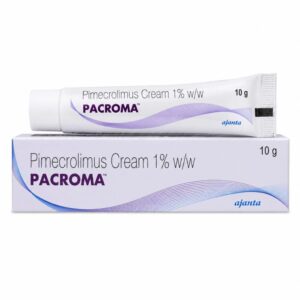
Pacroma Cream 1% (Pimecrolimus)
Price range: $150.00 through $265.00Select options - + wishlist+ compare
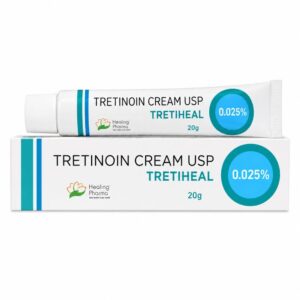
Tretiheal 0.025% Cream (Tretinoin)
Price range: $45.00 through $80.00Select options - + wishlist+ compare
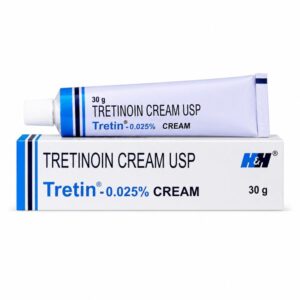
Tretin 0.025% Cream (Tretinoin Cream)
Price range: $45.00 through $80.00Select options - + wishlist+ compare
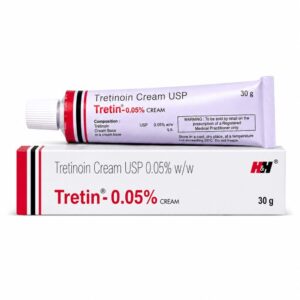
Tretin 0.05% Cream (Tretinoin Cream)
Price range: $50.00 through $85.00Select options
There are no reviews yet.