

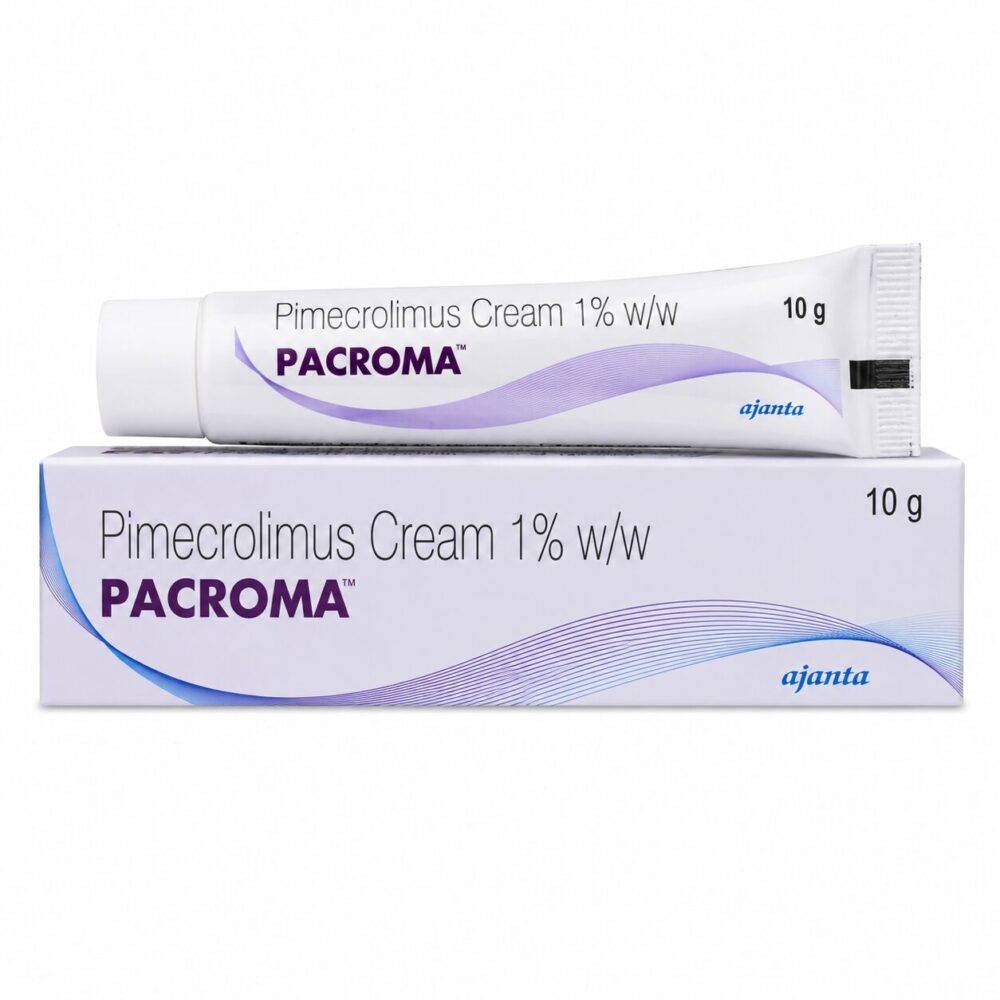
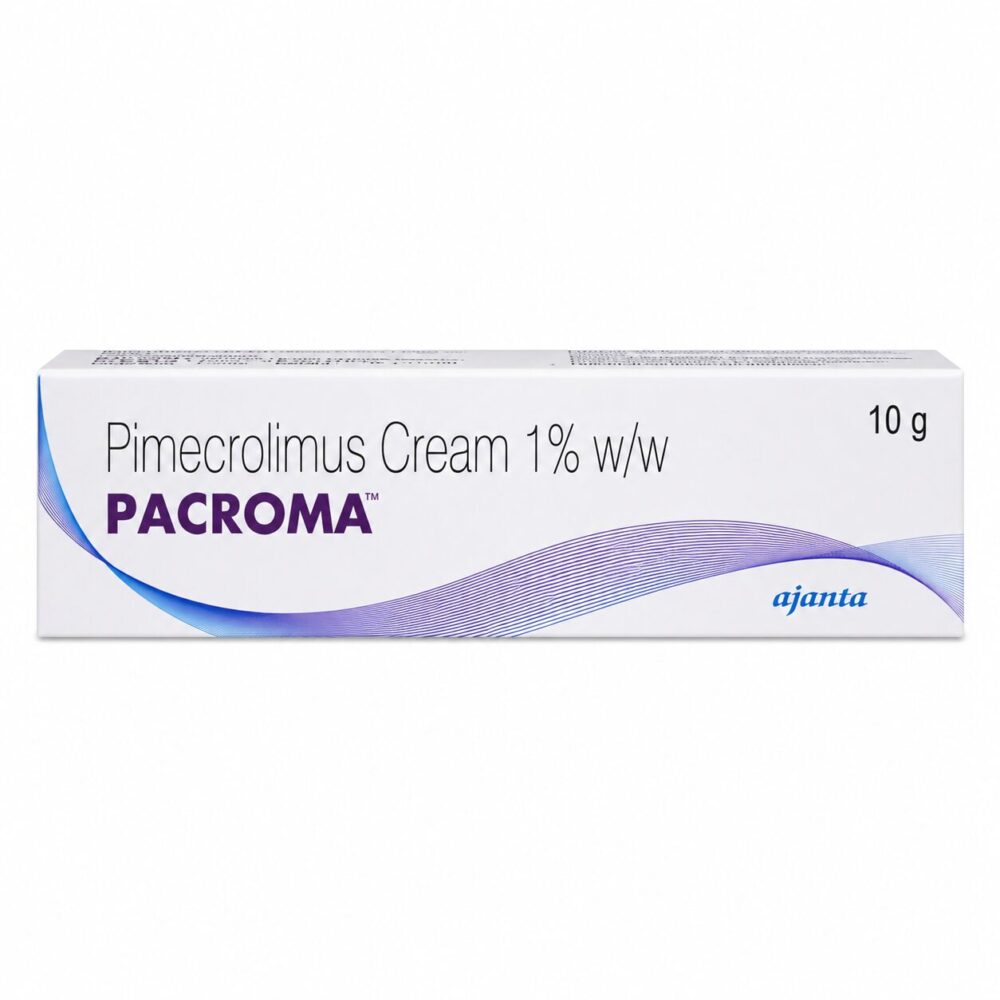
Pacroma Cream 1% (Pimecrolimus)
| Active Ingredients | Pimecrolimus |
| Strength | Pimecrolimus (1% w/v) |
| Dosage Form | Cream |
| Therapeutic Category | Atopic dermatitis |
| Manufacturer | Ajanta Pharma Ltd. |
| Packaging | 10 gm in 1 Tube |
| Storage Conditions | Cool and dry place |
| Packaging Type | Plain and discreet |
| Pack Size | Price/Unit | Price | Quantity | |
|---|---|---|---|---|
| 6 Tube/s | $25.00 | $150.00 | ||
| 8 Tube/s | $23.75 | $190.00 | ||
| 10 Tube/s | $23.00 | $230.00 | ||
| 12 Tube/s | $22.08 | $265.00 |
Price range: $150.00 through $265.00
What Is Pacroma Cream 1%?
Pacroma Cream 1% is a prescription topical cream designed for eczema management. The active ingredient, Pimecrolimus, belongs to a group called calcineurin inhibitors.
Skin inflammation linked with eczema often develops because of an overactive immune response inside the skin barrier. Pimecrolimus helps reduce that inflammatory reaction and eases symptoms such as itching, redness, rough patches, and irritation.
Unlike heavy steroid creams, Pacroma Cream is often considered for delicate skin areas where thinning of the skin can become a concern after repeated steroid exposure. Dermatology treatment plans sometimes include pimecrolimus creams during flare-ups or for intermittent long-term eczema care.
Children above 2 years and adults with recurring eczema may receive this cream as part of a skin management routine when moisturizers alone are not enough.
Uses Of Pacroma Cream 1%
Pacroma Cream 1% is mainly prescribed for inflammatory skin conditions linked with eczema.
- Mild to moderate atopic dermatitis
- Redness and itching caused by eczema
- Dry and inflamed skin patches
- Recurrent eczema flare-ups
- Sensitive skin areas needing steroid-free support
- Long-term intermittent eczema management
Dermatologists also consider pimecrolimus creams in cases where topical corticosteroids are not suitable for prolonged use. Facial eczema, eyelid eczema, and irritation around skin folds are areas where this cream is often preferred.
Benefits Of Pacroma Cream 1%
Pacroma Cream 1% helps calm irritated skin and supports better comfort during eczema flare-ups. Many users notice improvement in itching and redness within the early weeks of consistent application. Reduced scratching may also support healthier skin healing and less skin damage caused by repeated irritation.
Another important benefit involves steroid-sparing care. Long-term use of strong steroid creams on delicate skin may lead to thinning or sensitivity. Pimecrolimus offers another option for managing eczema while reducing frequent steroid exposure. People dealing with nighttime itching often experience better sleep once inflammation settles down. Less irritation during the day can also make routine activities more comfortable.
How Pacroma Cream 1% Works
Pimecrolimus targets certain immune signals inside the skin that trigger inflammation and eczema flare-ups. Overactive immune cells release substances that lead to itching, redness, swelling, and skin irritation. Pacroma Cream helps slow down those inflammatory signals and supports calmer skin.
Reduced immune activity inside affected skin areas can lower flare frequency and improve skin appearance over time. Since the absorption into the bloodstream stays very low in most users, treatment remains focused mainly on the skin surface.
How To Use Pacroma Cream 1%
- Apply Pacroma Cream exactly on the affected skin areas after gently cleaning and drying the skin.
- Wash hands before and after application
- Apply a thin layer over the affected area
- Gently rub until the cream absorbs
- Usually applied two times daily
- Avoid covering the treated area with tight bandages
- Keep away from eyes, mouth, and inside the nose
- Do not apply on infected or open skin areas
- Regular moisturizers may still be used during eczema treatment.
- Many people apply moisturizers after allowing the cream to absorb properly.
Side Effects Of Pacroma Cream 1%
Common Side Effects
- Mild burning sensation
- Warmth on the skin
- Itching at the application site
- Skin redness
- Temporary irritation
- Dryness
These effects often reduce after the skin adjusts to treatment.
Less Common Side Effects
- Skin infection
- Swelling
- Severe irritation
- Rash worsening
- Unusual skin sensitivity
Persistent discomfort or worsening eczema may need medical review.
Precautions And Warnings
Sun Exposure
Skin treated with pimecrolimus can become more sensitive to sunlight. Long sun exposure, tanning beds, and UV lamps are better avoided during treatment. Protective clothing and sunscreen are commonly recommended during outdoor activity.
Skin Infections
Pacroma Cream should not be used over bacterial, fungal, or viral skin infections unless the infection is already controlled. Active cold sores, chickenpox, or infected eczema patches may worsen with improper use.
Use In Children
Children under 2 years generally do not use pimecrolimus cream unless specifically advised in special situations.
Pregnancy And Breastfeeding
Pregnant or breastfeeding women usually discuss the benefits and risks before starting topical pimecrolimus treatment.
Drug Interactions
Topical Product Interactions
Using many medicated creams together on the same area may increase irritation. Strong exfoliating creams, medicated soaps, or alcohol-based skincare products can sometimes worsen dryness or burning.
Medicines That May Interact
Some medicines linked with immune suppression may require additional caution.
- Cyclosporine
- Azathioprine
- Tacrolimus
- Ketoconazole
- Erythromycin
- Fluconazole
Sharing current medicines and skin products with the prescribing doctor helps avoid unwanted reactions.
Who Should Avoid Pacroma Cream 1%?
Pacroma Cream may not suit everyone.
- Allergy to Pimecrolimus
- Active viral skin infections
- Severely damaged skin areas
- Untreated bacterial or fungal infections
- Certain immune system disorders
Use around infected eczema patches may increase irritation or delay healing.
Safety Information
Pacroma Cream 1% is meant only for external skin application. Swallowing the cream accidentally may require urgent medical attention. Eye contact can lead to irritation and should be rinsed immediately with water.
Frequent overuse does not increase treatment benefits and may raise irritation risk. If eczema symptoms continue worsening after several weeks, skin reassessment may be needed.
Frequently Asked Questions (FAQs)
Pacroma Cream 1% is used for mild to moderate atopic dermatitis or eczema. It helps reduce itching, redness, inflammation, and irritated skin patches.
Some users notice improvement within the first few weeks. Severe eczema may take longer before visible skin improvement appears.
No. Pacroma Cream contains Pimecrolimus, which is a calcineurin inhibitor and not a steroid cream.
Mild burning, warmth, or stinging may happen during the first days of treatment, especially on inflamed skin.
Avoid tanning beds, excessive sunlight, infected skin areas, and harsh skincare products during treatment.
Both medicines belong to calcineurin inhibitors used for eczema. Pimecrolimus comes mainly as a cream, while tacrolimus is available as an ointment in different strengths.
| Pack Size | 10 Tube/s, 12 Tube/s, 6 Tube/s, 8 Tube/s |
|---|---|
| Price/Unit | $22.08, $23.00, $23.75, $25.00 |
Related products
- + wishlist+ compare
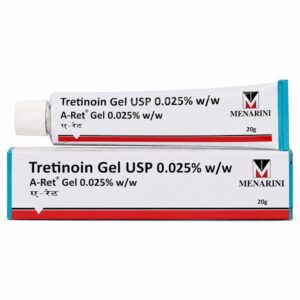
A-Ret 0.025% Gel (Tretinoin Gel)
Price range: $45.00 through $80.00Select options - + wishlist+ compare
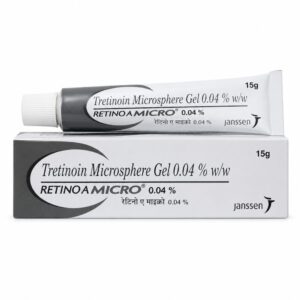
Retino A Micro 0.04% Gel (Tretinoin Microsphere Gel)
Price range: $70.00 through $120.00Select options
There are no reviews yet.