
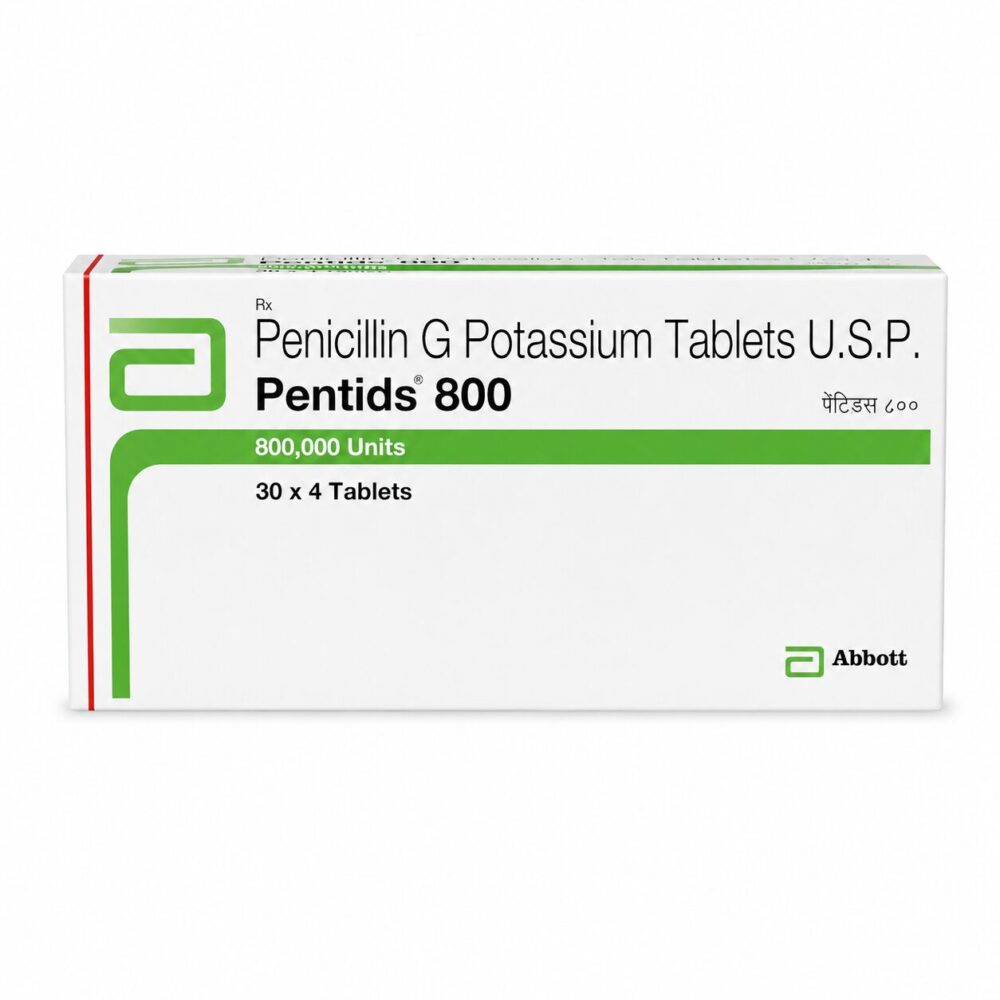
Pentids 800 (Penicillin G)
| Active Ingredients | Penicillin G |
| Strength | 800 mg |
| Dosage Form | Tablets |
| Therapeutic Category | Bacterial infections, Rheumatic fever |
| Manufacturer | Abbott. |
| Packaging | 10 tablets in 1 strip |
| Storage Conditions | Cool and dry place |
| Packaging Type | Plain and discreet |
| Pack Size | Price/Unit | Price | Quantity | |
|---|---|---|---|---|
| 100 Tablet/s | $0.70 | $70.00 | ||
| 200 Tablet/s | $0.60 | $120.00 | ||
| 300 Tablet/s | $0.56 | $170.00 | ||
| 500 Tablet/s | $0.46 | $230.00 |
$70.00 – $230.00Price range: $70.00 through $230.00
What is Pentids 800?
Pentids 800 is an oral antibiotic tablet containing Penicillin G as the active ingredient. The formulation is prescribed in bacterial infections where penicillin-sensitive organisms are involved.
Doctors have relied on penicillin antibiotics for years because of their established activity against several gram-positive bacteria and selected gram-negative organisms.
Infections involving the throat, skin tissue, respiratory tract, bones, middle ear, gums, and bloodstream are among the conditions where Pentids 800 may be considered. Certain sexually transmitted infections, including syphilis, are also treated with penicillin-based medicines depending on the clinical situation and bacterial susceptibility.
Unlike viral illnesses such as common cold or influenza, Pentids 800 is intended specifically for bacterial infections. Using Antibiotics without proper diagnosis can reduce bacterial sensitivity over time and may affect future treatment response.
How Pentids 800 Works
Penicillin G damages the protective wall surrounding bacterial cells. Once the wall weakens, the bacteria lose structural stability and eventually break apart.
The process mainly targets actively multiplying bacteria, which explains why completing the prescribed treatment duration matters even after symptoms begin settling down.
Certain bacteria naturally resist penicillin medicines, while others become resistant due to repeated or incomplete antibiotic exposure. For that reason, the medicine is generally selected after evaluating infection type, severity, and likely bacterial cause.
Uses of Pentids 800
Pentids 800 is prescribed in several bacterial infections, including:
- Throat and tonsil infections
- Skin and soft tissue infections
- Respiratory tract infections
- Middle ear infections
- Bone infections
- Bloodstream infections
- Syphilis and selected sexually transmitted infections
- Prevention of rheumatic fever
- Endocarditis-related bacterial infections
- Dental bacterial infections in selected cases
- Wound-related bacterial infections
Some doctors also prescribe Penicillin G in situations involving streptococcal infections where penicillin sensitivity remains strong.
Pentids 800 for Bacterial Infections
Bacterial infections vary widely in severity. Mild throat infections may improve within a few days, while bloodstream or bone infections can require extended therapy.
Pentids 800 is mainly considered when the suspected bacteria are known to respond to penicillin-class medicines. Streptococcal throat infections remain one of the more recognized uses of penicillin therapy. In some patients, proper treatment also lowers the chance of later complications linked with untreated streptococcal infections, including rheumatic fever.
Skin infections caused by susceptible organisms may present with redness, swelling, warmth, or pus formation.
Respiratory infections can involve sore throat, cough with bacterial origin, sinus discomfort, or fever related to bacterial activity rather than viral illness.
Pentids 800 for Syphilis and Rheumatic Fever Prevention
Penicillin medicines continue to hold a significant role in syphilis management. Treatment approach depends on infection stage, duration, and associated symptoms. Oral formulations may be used in selected situations, though injectable penicillin remains standard in many cases.
Rheumatic fever prevention is another important clinical use linked with penicillin therapy. Individuals with a previous history of rheumatic fever may receive long-term antibiotic protection to reduce recurrence risk associated with streptococcal throat infections.
Because both conditions involve structured treatment planning, dosage timing and treatment completion become particularly important.
How to Take Pentids 800
Pentids 800 tablets are swallowed whole with water. Crushing or chewing the tablet is generally avoided unless specifically advised otherwise. Some people take the medicine with food to reduce stomach discomfort, while others use it on an empty stomach depending on medical advice.
Maintaining a fixed dosing schedule helps keep antibiotic levels consistent inside the body. Skipping doses or stopping treatment midway may allow bacteria to survive and multiply again.
Dosage Information
Dosage differs according to infection severity, age, body weight, kidney function, and treatment duration. Mild infections may require shorter treatment courses, while deeper bacterial infections often require longer therapy.
Missed Dose
A forgotten dose can be taken once remembered. If the next scheduled dose is already close, the skipped dose is usually left out rather than doubling the quantity.
Overdose
Excessive intake may increase the chance of nausea, vomiting, stomach upset, seizures, or neurological symptoms in severe situations. Urgent medical evaluation becomes necessary if overdose is suspected.
Side Effects of Pentids 800
Like most antibiotics, Pentids 800 may produce side effects in some users. Many reactions remain mild and temporary, while allergic reactions linked with penicillin require immediate attention.
Common Side Effects
- Nausea
- Vomiting
- Loose stools
- Mild stomach discomfort
- Skin rash
- Headache
- Fever
- Muscle aches
Serious Side Effects
- Severe allergic reaction
- Difficulty breathing
- Swelling of lips or throat
- Persistent diarrhea
- Convulsions
- Severe skin reactions
- Unusual bruising
- Reduced white blood cell count
Any history of penicillin allergy should be disclosed before starting the medicine.
Precautions Before Using Pentids 800
Certain medical conditions may influence whether Pentids 800 suits a patient.
Allergy History
Previous allergic reactions linked with penicillin, amoxicillin, cephalosporins, or beta-lactam antibiotics raise concern for repeat reactions. Even a past rash after antibiotic use deserves medical discussion before treatment starts.
Kidney or Liver Problems
Reduced kidney function can affect antibiotic clearance from the body. Dose adjustments may sometimes be needed during prolonged therapy.
Asthma and Allergic Conditions
People with asthma, eczema, or multiple allergies sometimes show greater sensitivity toward antibiotic reactions.
Pregnancy and Breastfeeding
Penicillin antibiotics have been used during pregnancy in many clinical situations. Even then, treatment decisions are generally made after reviewing infection severity and expected benefit. Small amounts may pass into breast milk.
Drug Interactions
Some medicines may alter the activity or absorption pattern of Penicillin G.
- Medicines That May Interact
- Oral contraceptive pills
- Methotrexate
- Probenecid
- Tetracycline antibiotics
- Blood thinners
- Certain vaccines
Interaction risk varies from person to person. Medication history, supplements, herbal products, and non-prescription drugs should all be reviewed before starting therapy.
Who Should Avoid Pentids 800?
- Individuals with penicillin allergy
- Severe kidney disease cases
- Those with history of antibiotic-associated colitis
- Patients with seizure disorders
- Individuals with previous severe drug reactions
Antibiotic choice sometimes changes depending on bacterial resistance patterns or allergy concerns.
Frequently Asked Questions (FAQs)
Pentids 800 is prescribed in bacterial throat infections caused by penicillin-sensitive organisms, especially streptococcal infections.
Penicillin G does not treat viral infections such as flu, common cold, or most viral fevers.
Penicillin antibiotics are known for allergic reactions in some individuals. Rash, swelling, breathing difficulty, and itching require urgent evaluation.
Some bacterial infections begin improving within a few days, though treatment duration depends on infection type and severity.
The tablet may be taken with or without food. Some users prefer taking it after meals if stomach discomfort occurs.
Penicillin G is not considered habit forming or addictive.
Certain antibiotics may reduce oral contraceptive reliability in some cases. Extra contraceptive precautions are sometimes considered during treatment.
| Pack Size | 100 Tablet/s, 200 Tablet/s, 300 Tablet/s, 500 Tablet/s |
|---|---|
| Price/Unit | $0.46, $0.56, $0.60, $0.70 |
Related products
- + wishlist+ compare
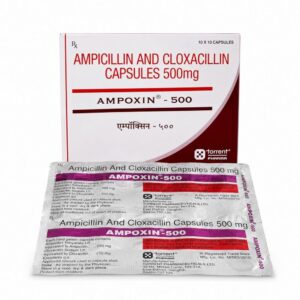
Ampoxin 500 mg (Ampicillin/Cloxacillin)
$80.00 – $220.00Price range: $80.00 through $220.00Select options - + wishlist+ compare
Augmentin 625mg Duo ( Amoxycillin + Clavulanic Acid )
$120.00 – $300.00Price range: $120.00 through $300.00Select options - + wishlist+ compare
Amoxyclav 625 Tablet (Amoxicillin/Clavulanic Acid)
$120.00 – $300.00Price range: $120.00 through $300.00Select options - + wishlist+ compare
Azee DT 100 mg (Azithromycin)
$50.00 – $155.00Price range: $50.00 through $155.00Select options - + wishlist+ compare
Amoxyclav 1000 Tablet (Amoxicillin/Clavulanic Acid)
$225.00 – $620.00Price range: $225.00 through $620.00Select options


There are no reviews yet.