

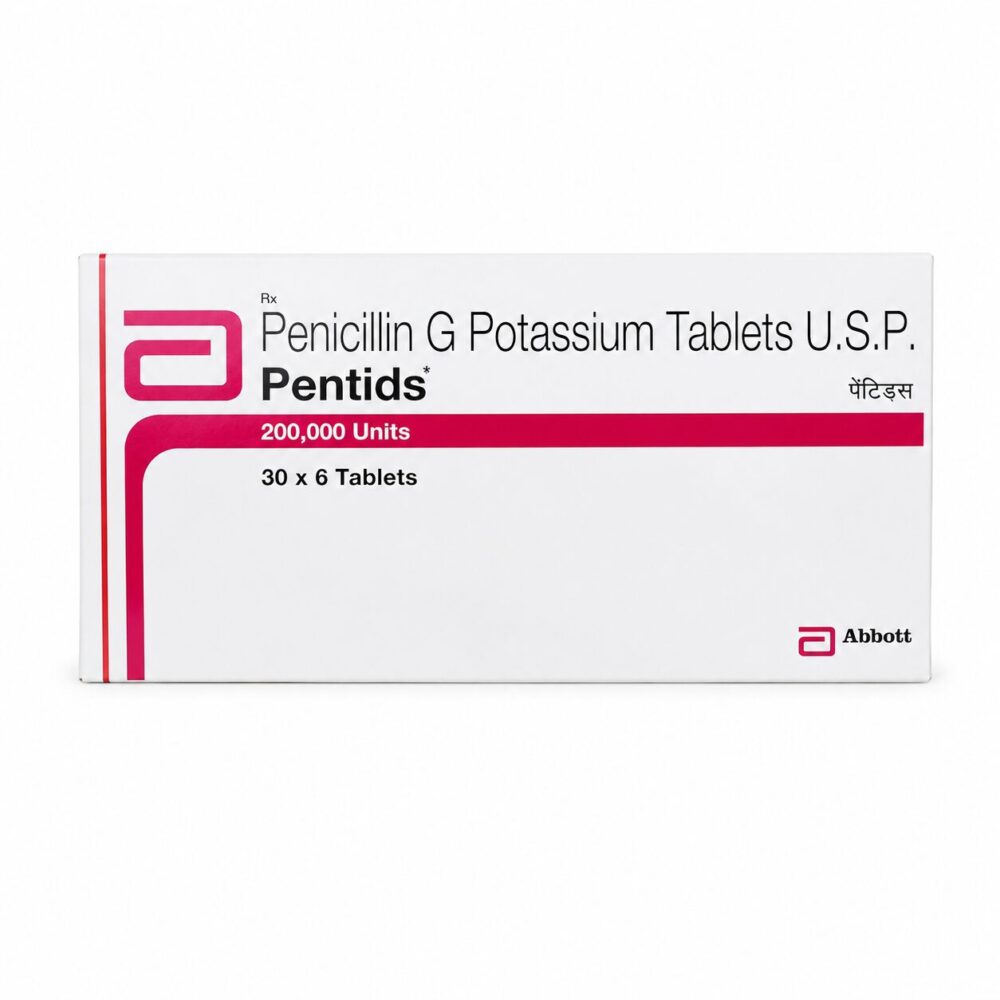
Pentids 200 (Penicillin G)
| Active Ingredients | Penicillin G |
| Strength | 200 mg |
| Dosage Form | Tablets |
| Therapeutic Category | Bacterial infections, Rheumatic fever |
| Manufacturer | Abbott. |
| Packaging | 6 tablets in 1 strip |
| Storage Conditions | Cool and dry place |
| Packaging Type | Plain and discreet |
| Pack Size | Price/Unit | Price | Quantity | |
|---|---|---|---|---|
| 120 Tablet/s | $0.50 | $60.00 | ||
| 240 Tablet/s | $0.45 | $110.00 | ||
| 360 Tablet/s | $0.41 | $150.00 | ||
| 480 Tablet/s | $0.39 | $190.00 |
Price range: $60.00 through $190.00
What Is Pentids 200?
Pentids 200 is an oral Antibiotic tablet containing Penicillin G Potassium as the active ingredient. The medicine belongs to the penicillin family and is prescribed for bacterial infections caused by penicillin-sensitive organisms.
Doctors may recommend it for infections involving the throat, nose, respiratory passages, skin tissues, gums, or urinary tract depending on laboratory findings and clinical symptoms.
Penicillin medicines are among the oldest antibiotic therapies still prescribed in modern medicine. Certain strains of bacteria remain responsive to penicillin treatment, especially in uncomplicated bacterial conditions where resistance is not suspected.
Pentids 200 may also be considered in specific preventive treatment plans linked with rheumatic fever recurrence or dental-related bacterial exposure in high-risk individuals.
The medicine is not useful for viral illnesses such as flu, common cold, or viral fever. Unnecessary antibiotic use can reduce bacterial sensitivity over time, making later infections harder to manage.
Uses of Pentids 200
Pentids 200 may be prescribed in several bacterial conditions where Penicillin G remains clinically suitable.
- Throat and tonsil infections
- Respiratory tract bacterial infections
- Skin and soft tissue infections
- Ear and sinus bacterial infections
- Urinary tract infections
- Dental and gum infections
- Rheumatic fever prevention
- Certain syphilis-related treatment plans
- Mild bacterial infections caused by penicillin-sensitive organisms
Some treatment plans include penicillin medicines before dental procedures in individuals with specific cardiac risks linked to bacterial endocarditis.
The actual use depends on medical evaluation, infection severity, and bacterial susceptibility reports.
How Pentids 200 Works
Penicillin G attacks bacteria by interfering with the formation of their protective outer wall. Bacteria require this wall structure to survive and multiply inside the body. Once the wall becomes unstable, bacterial cells gradually break down and die.
The medicine targets susceptible bacteria rather than viral organisms. Because bacterial resistance patterns vary between regions and infections, doctors sometimes recommend diagnostic tests before starting treatment.
Penicillin-sensitive organisms usually respond better when the antibiotic course is completed without interruption.
How to Take Pentids 200
Pentids 200 tablets are swallowed whole with water. Some doctors prefer administration on an empty stomach for better absorption, while others may suggest taking it with food if stomach irritation becomes noticeable.
Timing instructions can vary depending on infection type and treatment duration. Skipping doses frequently or stopping the medicine early may reduce bacterial clearance. A fixed dosing schedule usually supports more stable antibiotic levels in the body.
Crushing or chewing the tablet without medical instruction is generally avoided.
Recommended Dosage Information
The exact dosage depends on factors such as infection severity, age, body response, and previous antibiotic history. Pentids 200 is available in multiple strengths, and treatment schedules may differ between adults and children.
Missed Dose
Take the missed tablet once remembered if the next scheduled dose is not very close. If the next dose timing is near, continue with the regular schedule instead of taking two tablets together.
Overdose
Excess intake may lead to stomach irritation, confusion, electrolyte imbalance, severe allergic reactions, or neurological symptoms in sensitive individuals. Persistent vomiting, breathing difficulty, severe rash, or seizures require urgent medical evaluation.
Side Effects of Pentids 200
Like most antibiotics, Pentids 200 can produce side effects in some users. Many reactions remain mild and temporary, while allergic reactions require immediate medical attention.
Common Side Effects
- Nausea
- Vomiting
- Loose stools
- Mild stomach discomfort
- Skin rash
- Headache
- Mouth soreness
- Loss of appetite
Serious Reactions
- Severe allergic rash
- Swelling of lips or face
- Wheezing or breathing difficulty
- Severe diarrhea
- Convulsions
- Fever with skin peeling
- Unusual weakness
- Persistent vomiting
Penicillin allergy can occasionally become severe, especially in individuals with prior hypersensitivity to antibiotics belonging to the penicillin group.
Precautions Before Using Pentids 200
A previous history of allergy to penicillin antibiotics deserves special attention before starting treatment.
Reactions linked with penicillin exposure may range from mild rash to severe hypersensitivity episodes.
Medical Conditions Requiring Caution
- Kidney impairment
- Liver disorders
- Asthma history
- Severe diarrhea
- Blood-clotting disorders
- Previous antibiotic allergy
- Gastrointestinal inflammation
Pregnancy and breastfeeding considerations depend on infection severity and medical judgment. Dosage adjustment may sometimes be needed in renal impairment because penicillin clearance occurs through the kidneys. Long antibiotic courses occasionally alter normal bacterial balance inside the gut, which may lead to persistent diarrhea or fungal overgrowth symptoms in some individuals.
Drug Interactions
Certain medicines can alter how Penicillin G behaves in the body or increase unwanted reactions.
Medicines Known to Interact
- Gentamicin
- Amikacin
- Tobramycin
- Colestipol
- Methotrexate
- Oral contraceptives
- Probenecid
Sharing a complete medication list before starting antibiotics reduces the risk of unwanted interactions.
Herbal supplements and non-prescription medicines may also influence treatment response in some situations.
Who Should Avoid Pentids 200?
Pentids 200 may not suit everyone. Certain medical histories require alternative antibiotic selection.
- History of severe penicillin allergy
- Previous anaphylactic reaction to antibiotics
- Severe hypersensitivity disorders
- Uncontrolled severe diarrhea linked with antibiotics
- Individuals advised against penicillin-class medicines
Any sudden rash, throat tightness, breathing difficulty, or swelling after taking the tablet deserves immediate medical attention.
Frequently Asked Questions (FAQs)
Doctors may prescribe Pentids 200 for bacterial throat or tonsil infections caused by penicillin-sensitive organisms after clinical evaluation.
No. Penicillin antibiotics target bacteria and do not treat viral infections such as flu or common cold.
Alcohol does not directly cancel the antibiotic effect, though stomach irritation, nausea, and dehydration may become more noticeable during treatment.
Stopping antibiotics too early can leave surviving bacteria inside the body, increasing the chance of recurring infection or bacterial resistance.
Some individuals notice symptom improvement within a few days, though treatment duration depends on the infection type and severity.
Yes. Penicillin medicines are known for allergic reactions in sensitive individuals. Rash, breathing difficulty, swelling, or severe itching require urgent medical care.
Usage during pregnancy depends on infection severity, treatment need, and medical evaluation of potential risks and benefits.
| Pack Size | 120 Tablet/s, 240 Tablet/s, 360 Tablet/s, 480 Tablet/s |
|---|---|
| Price/Unit | $0.39, $0.41, $0.45, $0.50 |
Related products
- + wishlist+ compare
Azicip 250 mg Tablet (Azithromycin)
Price range: $50.00 through $155.00Select options - + wishlist+ compare
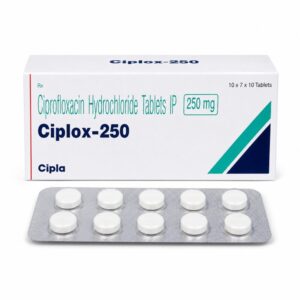
Ciplox 250 mg Tablet (Ciprofloxacin)
Price range: $50.00 through $190.00Select options - + wishlist+ compare
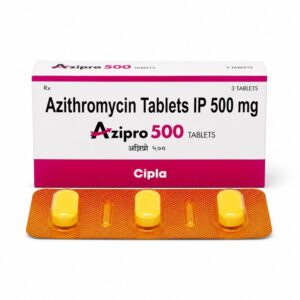
Azipro 500 mg Tablet (Azithromycin)
Price range: $90.00 through $300.00Select options
There are no reviews yet.