
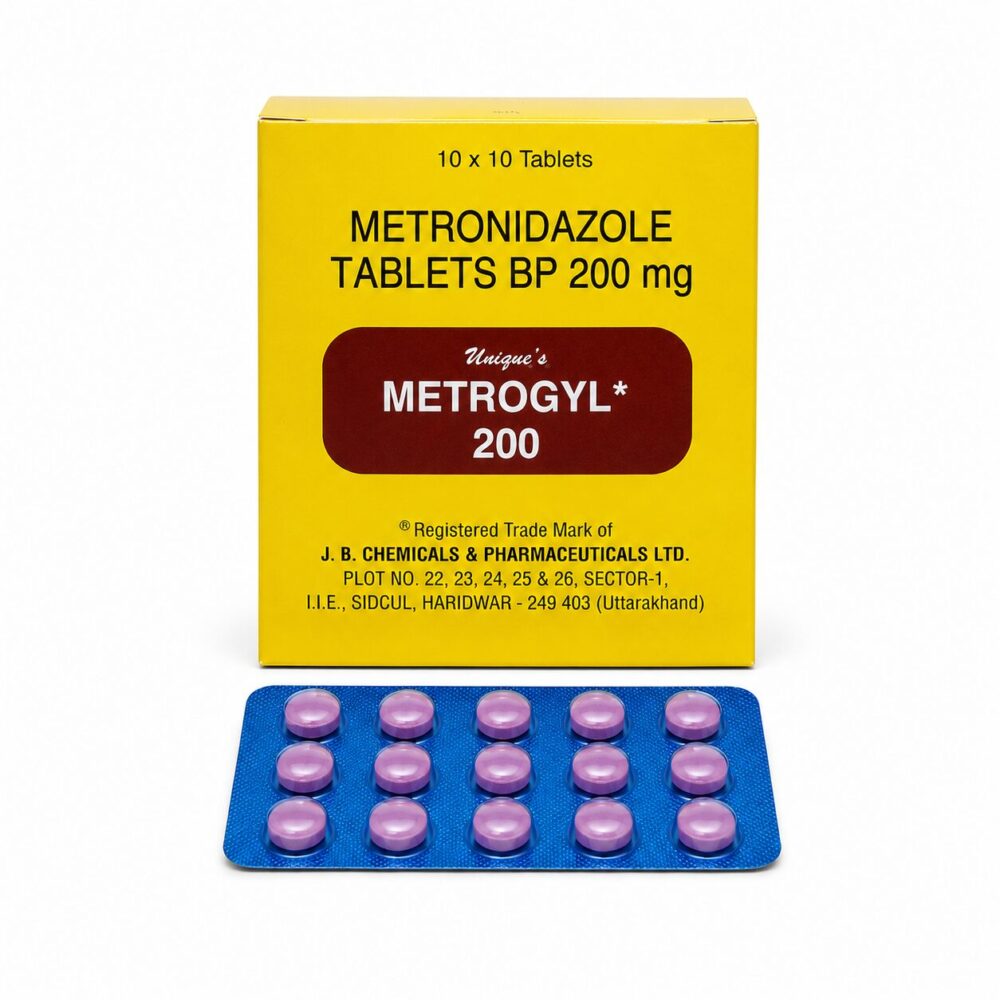
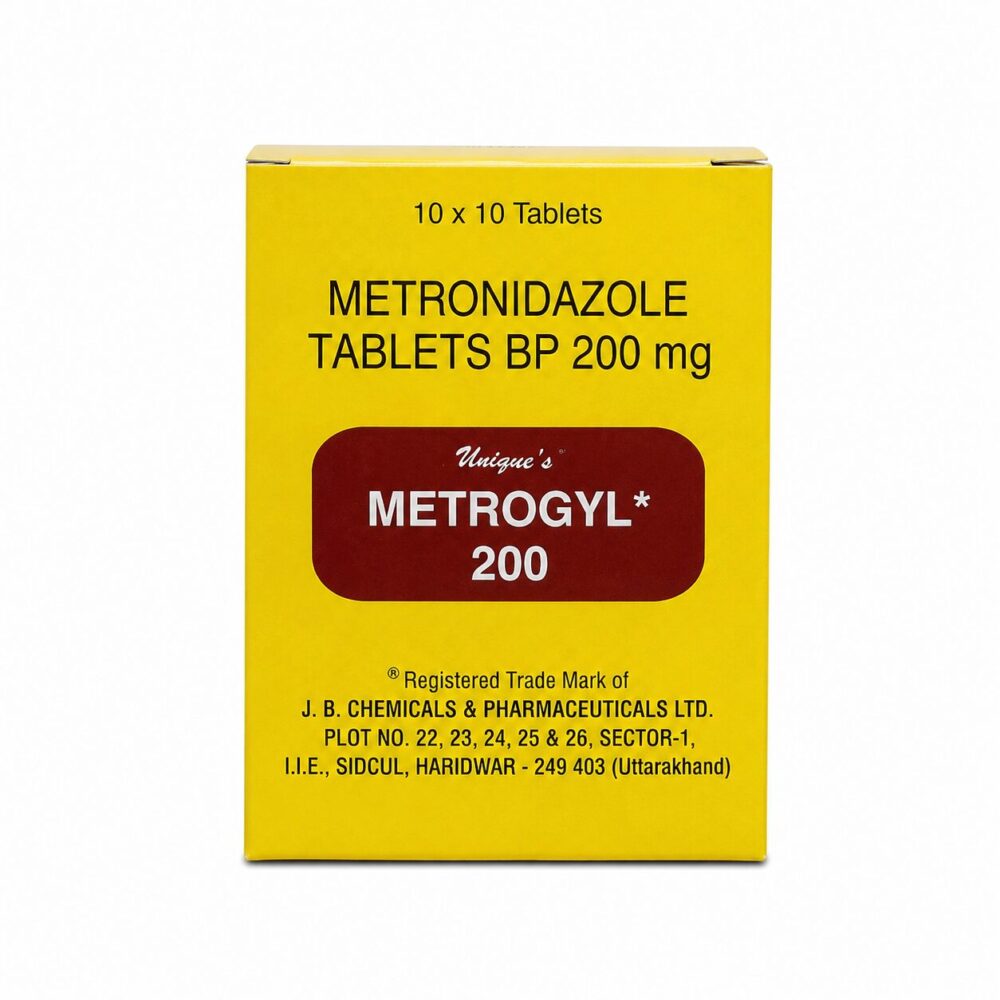
Metrogyl 200 mg (metronidazole)
| Active Ingredients | Metronidazole |
| Strength | Metronidazole (200mg) |
| Dosage Form | Tablets |
| Therapeutic Category | Bacterial infections, Parasitic infections |
| Manufacturer | J. B. Chemicals & Pharmaceuticals Ltd |
| Packaging | 15 tablets in 1 strip |
| Storage Conditions | Cool and dry place |
| Packaging Type | Plain and discreet |
| Pack Size | Price/Unit | Price | Quantity | |
|---|---|---|---|---|
| 180 Tablet/s | $0.38 | $70.00 | ||
| 360 Tablet/s | $0.34 | $125.00 | ||
| 600 Tablet/s | $0.26 | $160.00 |
$70.00 – $160.00Price range: $70.00 through $160.00
What is Metrogyl 200 mg
Metrogyl 200 mg is a prescription Antibiotic and antiprotozoal medicine containing Metronidazole. Often recommend for bacterial infections affecting the stomach, intestines, gums, reproductive organs, skin, and other parts of the body. Certain parasitic infections such as amoebiasis and giardiasis are also treated with this medicine.
The medicine targets infection-causing organisms and helps reduce symptoms like swelling, discharge, stomach discomfort, foul odor, and irritation linked with bacterial growth. Many people also receive Metrogyl 200 mg after surgeries involving the intestine or reproductive organs to lower the chance of infection-related complications.
What is Metrogyl 200 mg Used For?
Metrogyl 200 mg is prescribed for infections caused by anaerobic bacteria and certain parasites. Doctors choose this medicine when infections involve tissues where these organisms grow rapidly, especially in low-oxygen environments.
Common treatment areas include:
- Dental and gum infections
- Amoebiasis
- Giardiasis
- Bacterial vaginosis
- Trichomoniasis
- Intestinal infections
- Stomach infections
- Skin and soft tissue infections
- Pelvic infections
- Post-surgical infection prevention
Digestive infections linked with abdominal pain, loose stools, bloating, or mucus formation are often treated using Metronidazole-based medicines. Dental swelling and gum abscesses are another common reason for prescribing Metrogyl 200 mg.
In women, bacterial vaginal infections causing unusual discharge, odor, or irritation are sometimes treated with this medicine depending on the infection type and severity. Doctors may also combine it with other medicines during treatment of mixed bacterial infections.
How Metrogyl 200 mg Acts in the Body
Metronidazole enters infection-causing bacterial and parasitic cells and damages their internal genetic material. Once that process begins, the organisms lose the ability to survive and multiply. As the infection level drops, symptoms gradually settle down. Anaerobic bacteria respond particularly well to Metronidazole. That is why doctors frequently include Metrogyl 200 mg in treatment plans involving abdominal infections, dental infections, and intestinal conditions.
How to Take Metrogyl 200 mg
Metrogyl 200 mg tablets are generally taken after meals with water. Swallow the tablet whole without crushing or chewing unless a doctor gives different instructions.
A few common usage points include:
- Take doses at the same time daily
- Finish the full treatment duration
- Missing repeated doses may reduce treatment response
- Avoid stopping early even if symptoms improve
- Keep proper gap timing between doses
Dosage differs depending on the infection type, body weight, age, and overall health condition. Some infections require short treatment periods while intestinal or parasitic infections may need longer use.
Benefits of Metrogyl 200 mg
Metrogyl 200 mg remains widely prescribed because it covers multiple bacterial and parasitic infections with one active ingredient.
Key benefits include:
- Targets anaerobic bacterial infections
- Useful in intestinal and stomach infections
- Helps manage gum and dental swelling
- Supports treatment of parasitic infections
- Often included in combination infection therapy
- Available in multiple strengths for dosage flexibility
Many doctors also use Metronidazole medicines before or after surgeries involving the intestine, colon, or reproductive organs where infection risk stays higher.
Dosage Information
The dosage schedule depends on the condition being treated. Some infections require once or twice daily treatment, while others may need multiple doses throughout the day.
Adults
Metrogyl 200 mg may be prescribed for digestive infections, dental infections, pelvic infections, or parasitic diseases depending on severity and treatment response.
Children
Pediatric dosage is usually calculated according to body weight and infection type. Tablets should only be given when specifically prescribed.
Missed Dose
Take the missed dose when remembered unless the next scheduled dose is close. Double dosing together may increase side effect risk.
Possible Side Effects of Metrogyl 200 mg
Most side effects linked with Metrogyl 200 mg are temporary and improve after treatment completion. Digestive discomfort is among the most commonly reported issues.
Common side effects include:
- Nausea
- Metallic taste in mouth
- Headache
- Loose stools
- Vomiting
- Stomach discomfort
- Loss of appetite
- Dizziness
Less Common Reactions
Some people notice numbness, tingling sensation, skin rash, or dark-colored urine during treatment. Severe allergic reactions remain uncommon but need urgent medical attention. Long-term or repeated use may increase the chance of nerve-related side effects in certain individuals.
Warnings and Precautions
Certain health conditions require extra caution before starting Metrogyl 200 mg.
Liver Problems
Metronidazole gets processed in the liver. Existing liver disease may increase medicine accumulation inside the body, leading to stronger side effects or slower clearance.
Alcohol Consumption
Alcohol should be avoided during treatment and for at least 48 hours after the final dose. Mixing alcohol with Metronidazole may trigger nausea, flushing, vomiting, cramps, and rapid heartbeat.
Pregnancy and Breastfeeding
Pregnant or breastfeeding women may receive Metrogyl only when medically necessary. Treatment decisions depend on infection severity and pregnancy stage.
Nervous System Disorders
Individuals with seizure disorders or nerve-related conditions may require additional monitoring during treatment.
Drug Interactions
Metrogyl 200 mg can interact with several medicines and change treatment response or side effect intensity.
Known interactions include:
- Blood thinners such as Warfarin
- Lithium
- Phenytoin
- Phenobarbital
- Disulfiram
- Certain antifungal medicines
Sharing a full medicine list with the prescribing doctor helps reduce unwanted interactions and dosing problems.
Who Should Avoid Metrogyl 200 mg?
Metrogyl 200 mg may not suit everyone. Extra caution or alternative treatment may be needed in the following situations:
- Allergy to Metronidazole
- Severe liver disease
- Previous nerve-related reactions with similar medicines
- Heavy alcohol consumption
- Certain blood disorders
Frequently Asked Questions (FAQs)
Doctors prescribe Metrogyl 200 mg for bacterial and parasitic infections affecting the stomach, intestines, gums, skin, reproductive organs, and digestive tract.
Loose motion linked with bacterial or parasitic intestinal infections may improve with Metrogyl when prescribed after proper diagnosis.
Alcohol consumption during treatment may trigger nausea, flushing, vomiting, headache, and stomach cramps. Avoid alcohol during the course and shortly after the last dose.
A metallic taste in the mouth is one of the commonly reported side effects during Metronidazole treatment.
Symptom improvement may begin within a few days depending on infection severity, immunity, and treatment response.
Dentists sometimes prescribe Metrogyl for gum swelling, dental abscesses, and bacterial mouth infections involving anaerobic bacteria.
Yes. Metrogyl 200 mg contains Metronidazole, an antibiotic and antiprotozoal medicine.
Some individuals notice dizziness or lightheadedness during treatment. Driving or machine handling should be avoided if such symptoms appear.
| Pack Size | 180 Tablet/s, 360 Tablet/s, 600 Tablet/s |
|---|---|
| Price/Unit | $0.26, $0.34, $0.38 |
Related products
- + wishlist+ compare
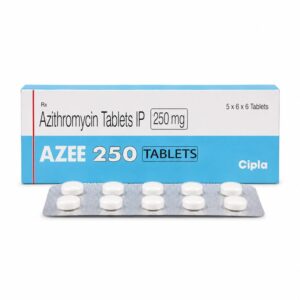
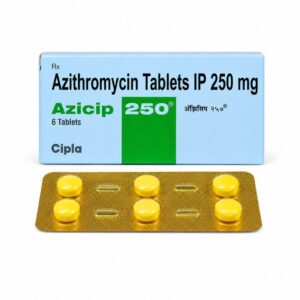
Azicip 250 mg Tablet (Azithromycin)
$50.00 – $155.00Price range: $50.00 through $155.00Select options - + wishlist+ compare
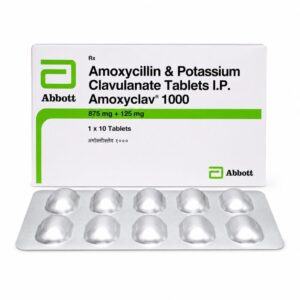
Amoxyclav 375 mg Tablet (Amoxicillin/Clavulanic Acid)
$90.00 – $260.00Price range: $90.00 through $260.00Select options - + wishlist+ compare
Augmentin 375mg ( Amoxycillin + Clavulanic Acid )
$120.00 – $300.00Price range: $120.00 through $300.00Select options - + wishlist+ compare
Minicycline 100mg ( Doxycycline )
$65.00 – $185.00Price range: $65.00 through $185.00Select options - + wishlist+ compare
Ciplox 500 mg (Ciprofloxacin)
$60.00 – $225.00Price range: $60.00 through $225.00Select options


There are no reviews yet.