

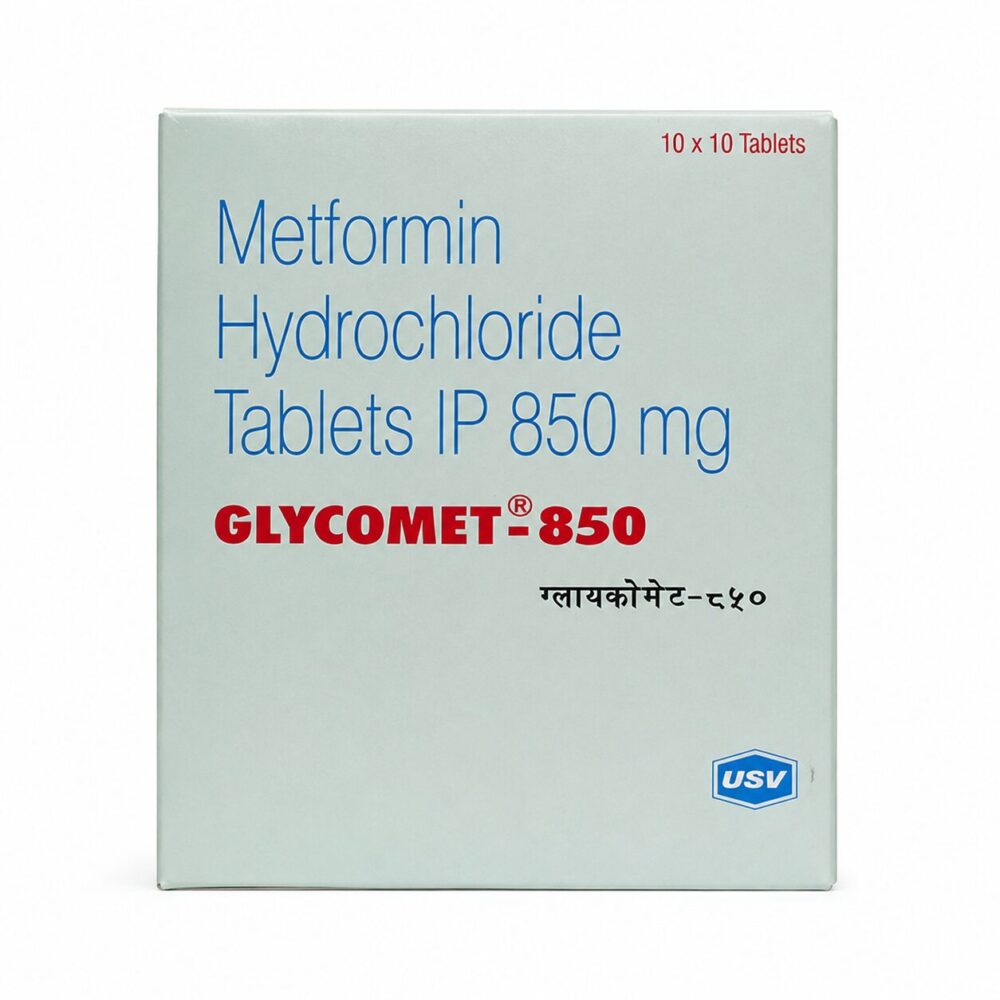
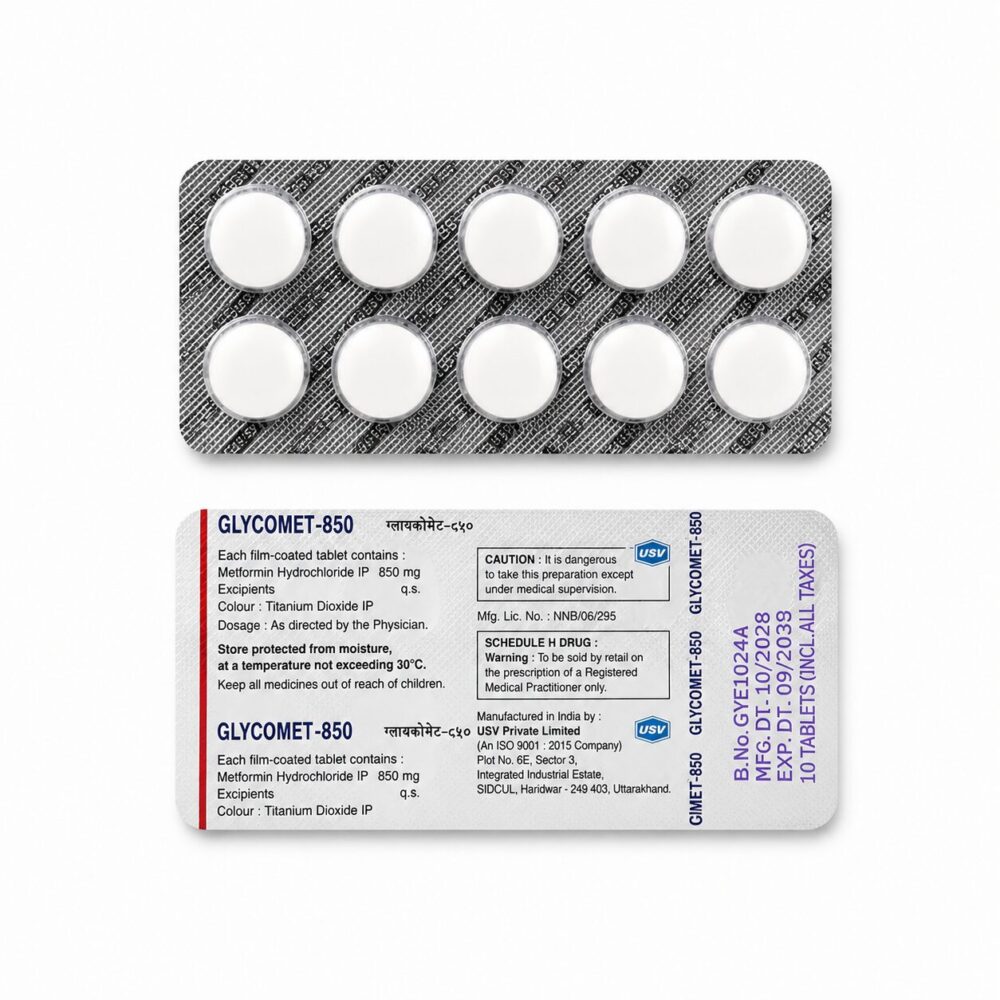
Glycomet 850 mg (Metformin)
| Active Ingredients | Metformin |
| Strength | Metformin 850 mg |
| Dosage Form | Tablets |
| Therapeutic Category | Type 2 diabetes |
| Manufacturer | USV Pvt Ltd. |
| Packaging | 10 tablets in 1 strip |
| Storage Conditions | Cool and dry place |
| Packaging Type | Plain and discreet |
| Pack Size | Price/Unit | Price | Quantity | |
|---|---|---|---|---|
| 100 Tablet/s | $0.70 | $70.00 | ||
| 200 Tablet/s | $0.60 | $120.00 | ||
| 300 Tablet/s | $0.56 | $170.00 | ||
| 500 Tablet/s | $0.46 | $230.00 |
Price range: $70.00 through $230.00
What Is Glycomet 850 mg?
Glycomet 850 mg is an oral Diabetes Medicine used mainly for controlling high blood sugar levels in adults diagnosed with type 2 diabetes. Metformin Hydrochloride, the active ingredient, supports better glucose handling inside the body and helps reduce excess sugar release from the liver.
Many treatment plans include Glycomet as an early-stage diabetes medicine because long-term sugar control plays a major role in lowering diabetes-related complications affecting the kidneys, nerves, eyes, and heart.
It sometimes combine Glycomet 850 mg with exercise routines, meal planning, and weight management programs for stronger glycemic control. In several cases, combination therapy with other anti-diabetic medicines may also be suggested when blood sugar remains uncontrolled with one medicine alone.
Uses of Glycomet 850 mg
Glycomet 850 mg is prescribed for different insulin-resistance related conditions.
Common uses include:
- Type 2 diabetes mellitus
- Blood sugar management support
- Insulin resistance
- Polycystic ovary syndrome (PCOS) in selected cases
- Combination diabetes therapy with other anti-diabetic medicines
Blood glucose management usually improves gradually with regular use. Lifestyle habits such as controlled carbohydrate intake, daily walking, hydration, and meal timing often influence treatment response in a significant way.
How Glycomet 850 mg Helps Control Blood Sugar
Metformin present in Glycomet 850 mg lowers excess glucose production inside the liver and supports better insulin response in body tissues. Reduced sugar absorption from food also contributes to improved blood glucose stability. Unlike some diabetes medicines that sharply increase insulin release, Metformin focuses more on improving insulin efficiency.
Because of this mechanism, many users experience stable glucose management without rapid fluctuations. Weight gain risk also remains comparatively lower in many cases, which is one reason Metformin-based medicines are widely prescribed in long-term diabetes care plans.
Benefits of Glycomet 850 mg
Regular treatment with Glycomet 850 mg may provide several metabolic and diabetes-management benefits:
- Helps maintain controlled blood sugar levels
- Supports insulin sensitivity
- Lower risk of sudden hypoglycemia compared to some anti-diabetic medicines
- May assist in weight management when paired with diet control
- Useful in long-term diabetes management plans
- Helps reduce diabetes-related health complications linked with uncontrolled sugar levels
Benefits vary depending on food habits, physical activity, stress levels, and consistency with treatment schedules.
Dosage and Administration
Dose strength and treatment duration depend on blood sugar readings, medical history, age, and response to therapy. Many adults begin treatment with lower doses before gradually moving toward higher strengths like Glycomet 850 mg if needed for improved glucose control.
Swallow the tablet whole with water. Crushing or chewing sustained-release forms can affect medicine release inside the body. Taking the medicine with meals often reduces stomach discomfort and bloating during the initial treatment phase.
Missing meals after taking diabetes medicines may sometimes increase weakness or dizziness in certain individuals, so meal timing consistency matters during treatment.
How to Take Glycomet 850 mg
Taking Glycomet 850 mg correctly helps maintain stable blood sugar support throughout the day.
- Take the tablet at the same time daily
- Prefer taking it with food
- Swallow with water without breaking the tablet
- Maintain proper hydration
- Continue diabetes-friendly dietary habits
- Monitor blood sugar regularly if advised
Long gaps between doses or irregular intake patterns may affect glucose management consistency.
Missed Dose Information
A missed dose can usually be taken after remembering it, unless the next scheduled dose is near. Doubling the next dose to compensate for the missed tablet may increase unwanted side effects like stomach discomfort or weakness.
Frequent missed doses can disturb blood sugar stability over time, especially in people already dealing with fluctuating glucose readings.
Overdose Risk
Taking too much Metformin may increase the risk of lactic acidosis, a serious condition linked with acid buildup in the body. Symptoms may include severe weakness, unusual tiredness, breathing difficulty, vomiting, muscle pain, or extreme drowsiness.
Emergency medical support becomes necessary if overdose symptoms appear after consuming excess tablets.
Side Effects of Glycomet 850 mg
Common Side Effects
Some users notice mild digestive side effects during the early phase of treatment:
- Nausea
- Loose stools
- Stomach discomfort
- Gas or bloating
- Metallic taste
- Reduced appetite
- Mild weakness
Digestive symptoms often reduce gradually after the body adjusts to treatment.
Serious Side Effects
Rare but serious reactions may include:
- Lactic acidosis
- Severe dehydration
- Unusual breathing difficulty
- Extreme fatigue
- Persistent vomiting
- Severe abdominal pain
Ongoing or severe symptoms need medical review without delay.
Precautions Before Using Glycomet 850 mg
Kidney and Liver Concerns
Metformin clearance depends heavily on kidney function. Reduced kidney performance may increase medicine accumulation inside the body. Liver-related problems also require careful medical evaluation before treatment begins.
Alcohol Intake
Heavy alcohol consumption may increase lactic acidosis risk and can disturb blood sugar balance. Regular drinking habits should be discussed before starting treatment.
Surgery and Diagnostic Procedures
Temporary treatment interruption may sometimes be advised before surgeries or contrast imaging procedures involving injectable dyes. Kidney function monitoring becomes relevant in such situations.
Pregnancy and Breastfeeding
Diabetes management during pregnancy requires careful monitoring. Treatment choices may vary depending on sugar levels and pregnancy stage. Breastfeeding mothers should review medicine suitability before continuing use.
Drug Interactions
Certain medicines can alter glucose levels or affect how Metformin behaves inside the body.
Medicines That May Interact
- Amlodipine
- Steroids
- Diuretics
- Contrast dye injections
- Hormonal medicines
- Certain antibiotics
- Alcohol-containing preparations
Disease Interactions
Extra caution may be needed in:
- Kidney disease
- Liver impairment
- Heart failure
- Vitamin B12 deficiency
- Severe dehydration
- Metabolic acidosis history
Sharing a complete medicine list before starting treatment helps reduce avoidable interaction risks.
Who Should Avoid Glycomet 850 mg?
Glycomet 850 mg may not suit everyone. Avoid use in situations involving:
- Severe kidney disease
- Metabolic acidosis
- Known Metformin allergy
- Severe liver impairment
- Uncontrolled dehydration
- Diabetic ketoacidosis
Medical evaluation becomes necessary before restarting treatment after serious illness or hospitalization.
Frequently Asked Questions (FAQs)
Glycomet 850 mg is mainly used for controlling blood sugar levels in type 2 diabetes mellitus. Doctors may also prescribe it in selected insulin resistance or PCOS-related cases.
Some users notice mild weight reduction during long-term Metformin treatment, especially when combined with healthy eating and physical activity. Results vary from person to person.
Metformin-based treatment is widely used for long-duration diabetes management when blood sugar monitoring and kidney evaluation remain within acceptable ranges.
Taking the tablet with meals is usually preferred because stomach irritation, nausea, and loose stools may become stronger on an empty stomach.
Low blood sugar risk with Metformin alone remains lower compared with several other diabetes medicines, though weakness, sweating, shakiness, or dizziness may still occur in some situations involving missed meals or combination therapy.
Kidney health plays an important role in Metformin clearance from the body. Existing kidney disease may increase the risk of complications during treatment.
Yes, combination therapy with insulin or other anti-diabetic medicines is sometimes used when glucose control remains inadequate with single-drug treatment.
Doctors sometimes prescribe Metformin in women dealing with insulin resistance linked with polycystic ovary syndrome. Suitability depends on hormonal and metabolic evaluation.
| Pack Size | 100 Tablet/s, 200 Tablet/s, 300 Tablet/s, 500 Tablet/s |
|---|---|
| Price/Unit | $0.46, $0.56, $0.60, $0.70 |
Related products
- + wishlist+ compare
Amaryl 1 mg (Glimepiride Tablet)
Price range: $70.00 through $145.00Select options - + wishlist+ compare
Amaryl 3 mg (Glimepiride Tablet)
Price range: $110.00 through $215.00Select options - + wishlist+ compare
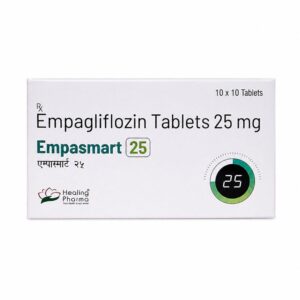
Empasmart 25 mg (Empagliflozin)
Price range: $80.00 through $350.00Select options - + wishlist+ compare
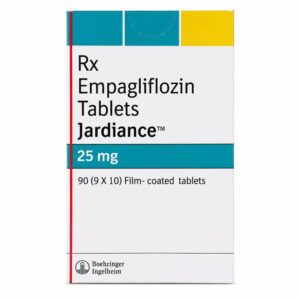
Jardiance 25 mg (Empagliflozin)
Price range: $170.00 through $595.00Select options
There are no reviews yet.