

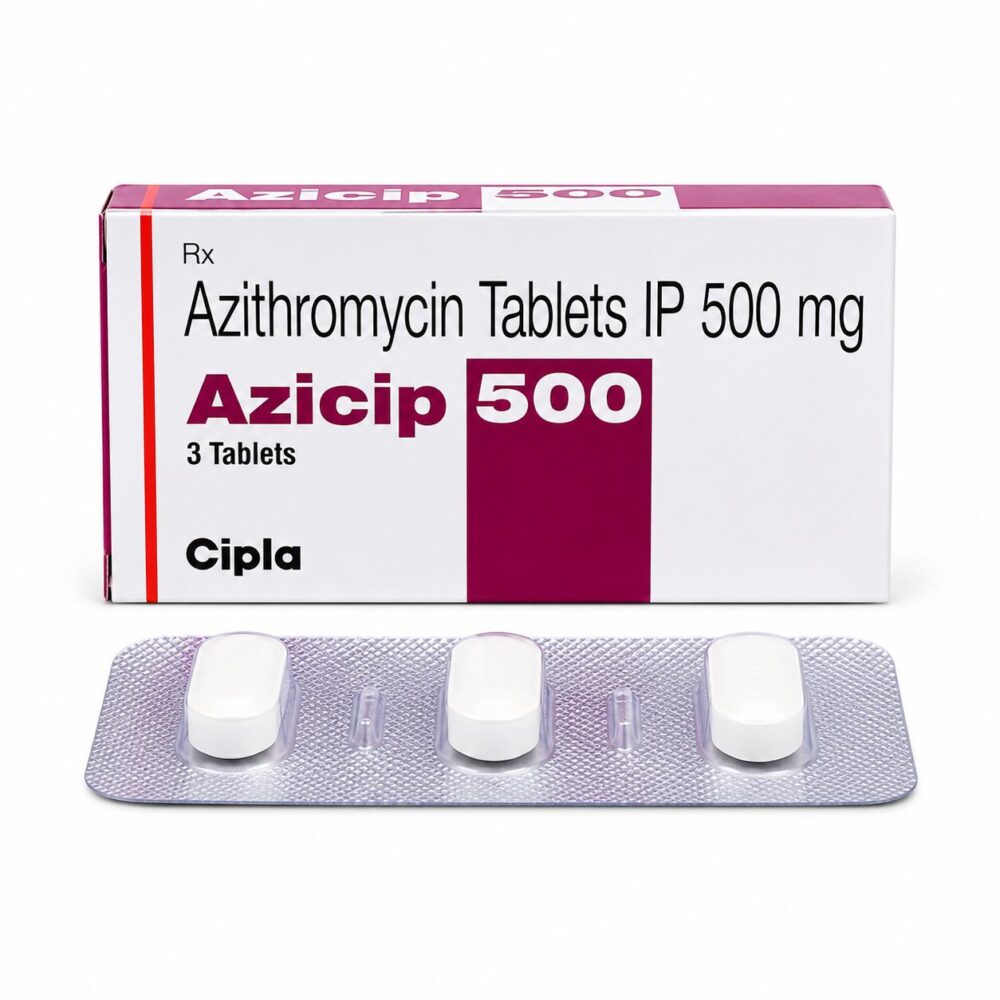
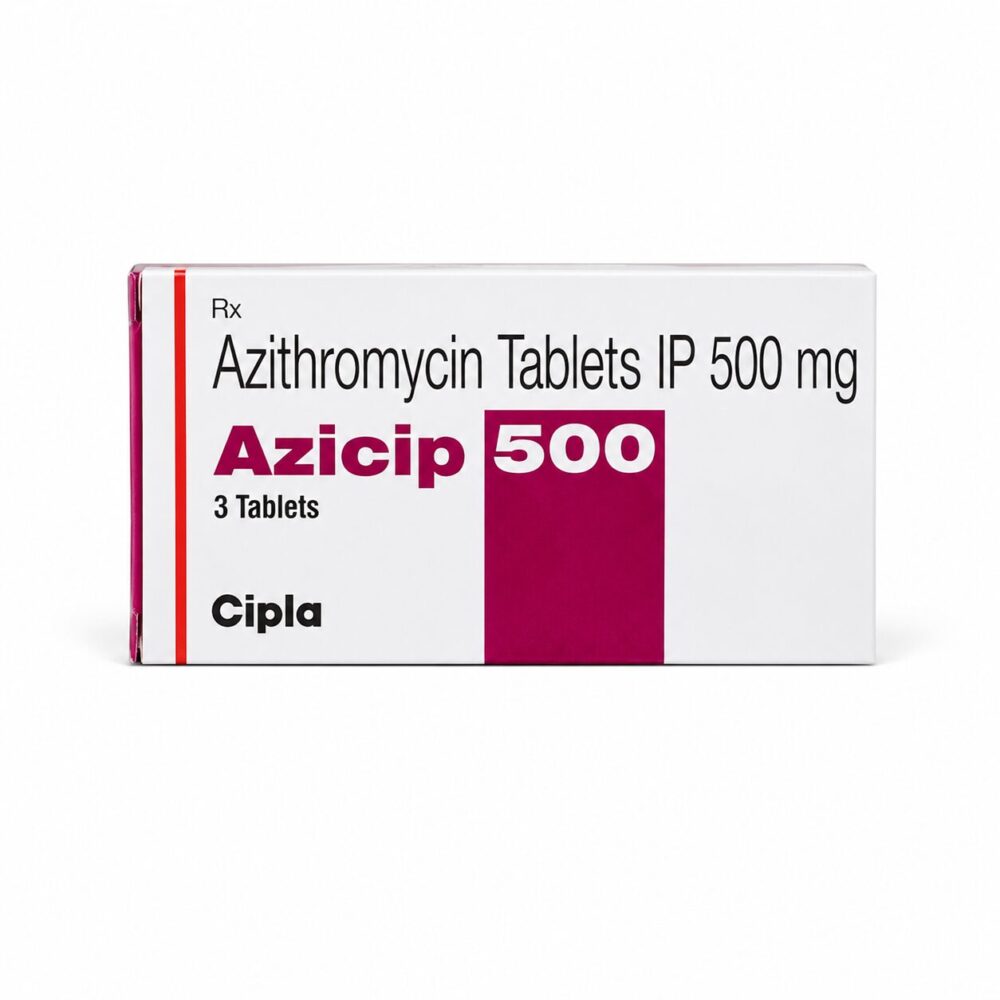
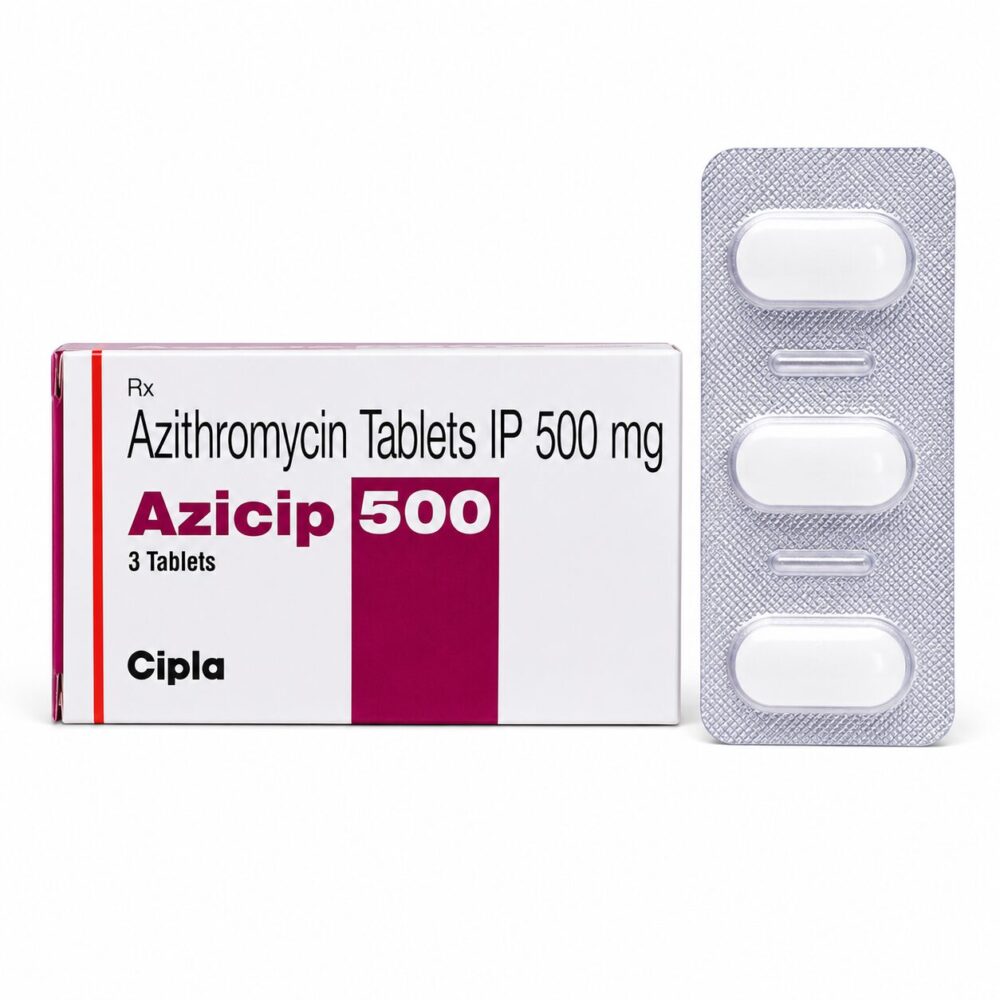
Azicip 500 mg Tablet (Azithromycin)
| Active Ingredients | Azithromycin |
| Strength | Azithromycin (500mg) |
| Dosage Form | Tablets |
| Therapeutic Category | Antibiotic |
| Manufacturer | Cipla Ltd |
| Packaging | 3 tablets in 1 strip |
| Storage Conditions | Cool and dry place |
| Packaging Type | Plain and discreet |
| Pack Size | Price/Unit | Price | Quantity | |
|---|---|---|---|---|
| 60 Tablet/s | $1.5$ | $90.00 | ||
| 120 Tablet/s | $1.45 | $175.00 | ||
| 180 Tablet/s | $1.38 | $250.00 | ||
| 240 Tablet/s | $1.25 | $300.00 |
Price range: $90.00 through $300.00
What is Azicip 500 mg
Azicip 500 mg is an Antibiotic Tablet prescribed for infections caused by susceptible bacteria. The active ingredient, Azithromycin, slows bacterial protein production, making it difficult for bacteria to survive and spread further inside the body.
This medicine is prescribed for respiratory tract infections, throat infections, sinus infections, ear infections, skin infections, dental infections, and certain sexually transmitted bacterial infections. In many cases, Azicip is selected because the dosage schedule is shorter compared to some older antibiotics.
Chest infections linked with coughing, mucus buildup, throat irritation, or mild breathing discomfort are among the common reasons people receive Azicip 500 mg prescriptions. Bacterial skin conditions involving redness, swelling, or acne-related inflammation may also respond to treatment depending on the diagnosis. Treatment duration varies according to infection severity, age, body weight, and medical history. Some infections need only a short course, while others may need longer monitoring.
Uses of Azicip 500 mg
Azicip 500 mg is prescribed for several bacterial infections affecting different body systems. Doctors may recommend it for:
- Throat infection
- Tonsillitis
- Sinus infection
- Ear infection
- Bronchitis
- Pneumonia
- Skin infections
- Dental infections
- Eye infections caused by bacteria
- Certain sexually transmitted infections such as Chlamydia
- Acne-related bacterial inflammation
Bacterial infections often produce symptoms like fever, swelling, coughing, pain while swallowing, blocked sinuses, or skin irritation.
Azicip 500 mg is prescribed only when bacterial involvement is suspected or confirmed. Viral illnesses like the common cold or flu generally do not respond to antibiotics.
Benefits of Azicip 500 mg
One major reason behind the popularity of Azicip 500 mg is its convenient dosing pattern. Many bacterial infections can be treated with once-daily administration, making treatment schedules easier for people managing work, travel, or daily routines. Another advantage is tissue penetration.
Azithromycin tends to remain active in infected tissues for longer periods, which helps maintain antibacterial action even after dosing intervals. This feature often allows shorter treatment duration compared to some traditional antibiotics. Azicip 500 mg is also prescribed in situations where throat infections, sinus pressure, swollen tonsils, chest congestion, or bacterial skin conditions start interfering with daily comfort.
Quick symptom relief from bacterial inflammation is one reason doctors continue prescribing Azithromycin-based tablets frequently.
How to Take Azicip 500 mg
Azicip 500 mg should be swallowed whole with water. Crushing or chewing the tablet may affect the intended release and absorption process. Many doctors recommend taking the medicine at the same time every day for consistent drug levels in the body. Food instructions can vary depending on the treatment plan, though many people take it either one hour before meals or two hours after meals.
Antacid products containing aluminum or magnesium are usually kept separate from Azicip dosing because they may reduce absorption. Missing doses repeatedly may reduce treatment effectiveness and increase the chance of bacterial resistance. Completing the prescribed course matters even if symptoms begin improving early.
Dosage Information
Standard Adult Dosage
Many bacterial infections are treated using a once-daily dose. Treatment duration may range from 3 to 5 days depending on infection type and severity.
Missed Dose
A missed tablet should be taken when remembered unless the next scheduled dose is very close. Doubling doses together may increase unwanted side effects.
Overdose
Excessive intake can lead to stomach discomfort, nausea, vomiting, hearing-related symptoms, or severe digestive irritation. Medical assessment becomes necessary if overdose is suspected.
Side Effects of Azicip 500 mg
Like most antibiotics, Azicip 500 mg can produce side effects in some individuals. Many reactions remain mild and temporary during treatment.
Common Side Effects
- Nausea
- Loose stools
- Stomach pain
- Vomiting
- Headache
- Dizziness
- Mild digestive discomfort
Less Common Side Effects
- Skin rash
- Reduced appetite
- Fatigue
- Changes in taste sensation
- Mild bloating
Persistent diarrhea, severe allergic swelling, breathing difficulty, chest rhythm changes, or yellowing of the skin require urgent medical evaluation.
Precautions Before Using Azicip 500 mg
Liver Problems
Azithromycin is processed through the liver, so individuals with liver disease may require extra monitoring during treatment. Existing liver enzyme abnormalities may influence dosage decisions.
Kidney Disorders
Kidney impairment can affect medicine clearance in certain individuals. Dose adjustment may be considered in moderate to severe cases.
Heart Rhythm Conditions
People with irregular heartbeat history, prolonged QT interval, or electrolyte imbalance need careful evaluation before starting treatment because macrolide antibiotics may influence heart rhythm in rare cases.
Pregnancy and Breastfeeding
Pregnancy-related use depends on clinical necessity and medical assessment. Breastfeeding mothers may also receive Azicip in certain situations after evaluating benefits and possible risks.
Drug Interactions
Some medicines can affect the way Azicip 500 mg behaves inside the body. Interaction risk increases when multiple prescriptions are taken together.
Medicines That May Interact
- Antacids containing magnesium or aluminum
- Warfarin and blood thinners
- Certain anti-arrhythmia medicines
- Ergot derivatives
- Digoxin
- Cyclosporine
- Cholesterol-lowering medicines in some cases
Sharing a complete medication list before treatment reduces avoidable complications.
Who Should Avoid Azicip 500 mg
Certain individuals may not be suitable candidates for Azicip treatment unless specifically advised by a doctor.
Avoid Use In Cases Of
- Allergy to Azithromycin
- Allergy to macrolide antibiotics
- Severe liver impairment
- Previous antibiotic-related jaundice
- Certain heart rhythm disorders
Medical history plays a major role in determining whether Azicip 500 mg is appropriate for treatment.
Frequently Asked Questions (FAQs)
Yes, doctors often prescribe Azicip 500 mg for bacterial throat infections, tonsillitis, and related upper respiratory infections.
Many people notice symptom improvement within a few days, though treatment response depends on infection severity and body condition.
Cold and flu infections are usually viral. Antibiotics such as Azicip do not treat viral illnesses.
Older adults may receive Azicip after reviewing liver function, kidney condition, heart rhythm history, and other ongoing medicines.
Loose stools and digestive upset are among the commonly reported side effects linked with Azithromycin treatment.
Many treatment schedules recommend taking the tablet either before meals or after meals for better absorption, depending on medical advice.
References
| Pack Size | 120 Tablet/s, 180 Tablet/s, 240 Tablet/s, 60 Tablet/s |
|---|---|
| Price/Unit | $1.25, $1.38, $1.45, $1.5$ |
Related products
- + wishlist+ compare
Augmentin 625mg Duo ( Amoxycillin + Clavulanic Acid )
Price range: $120.00 through $300.00Select options - + wishlist+ compare
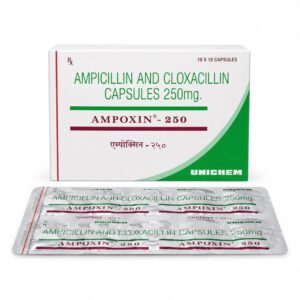
Ampoxin 250 mg (Ampicillin/Cloxacillin)
Price range: $60.00 through $190.00Select options - + wishlist+ compare
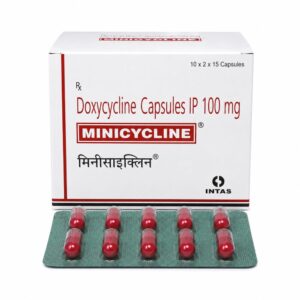
Minicycline 100mg ( Doxycycline )
Price range: $65.00 through $185.00Select options - + wishlist+ compare
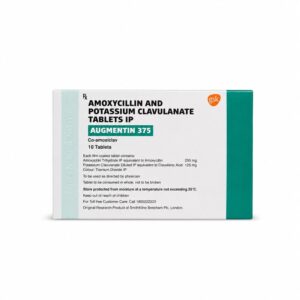
Augmentin 375mg ( Amoxycillin + Clavulanic Acid )
Price range: $120.00 through $300.00Select options - + wishlist+ compare
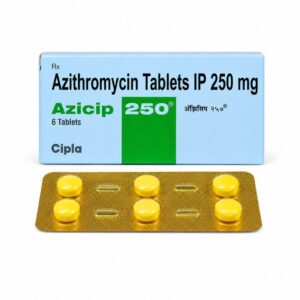
Azicip 250 mg Tablet (Azithromycin)
Price range: $50.00 through $155.00Select options
There are no reviews yet.