

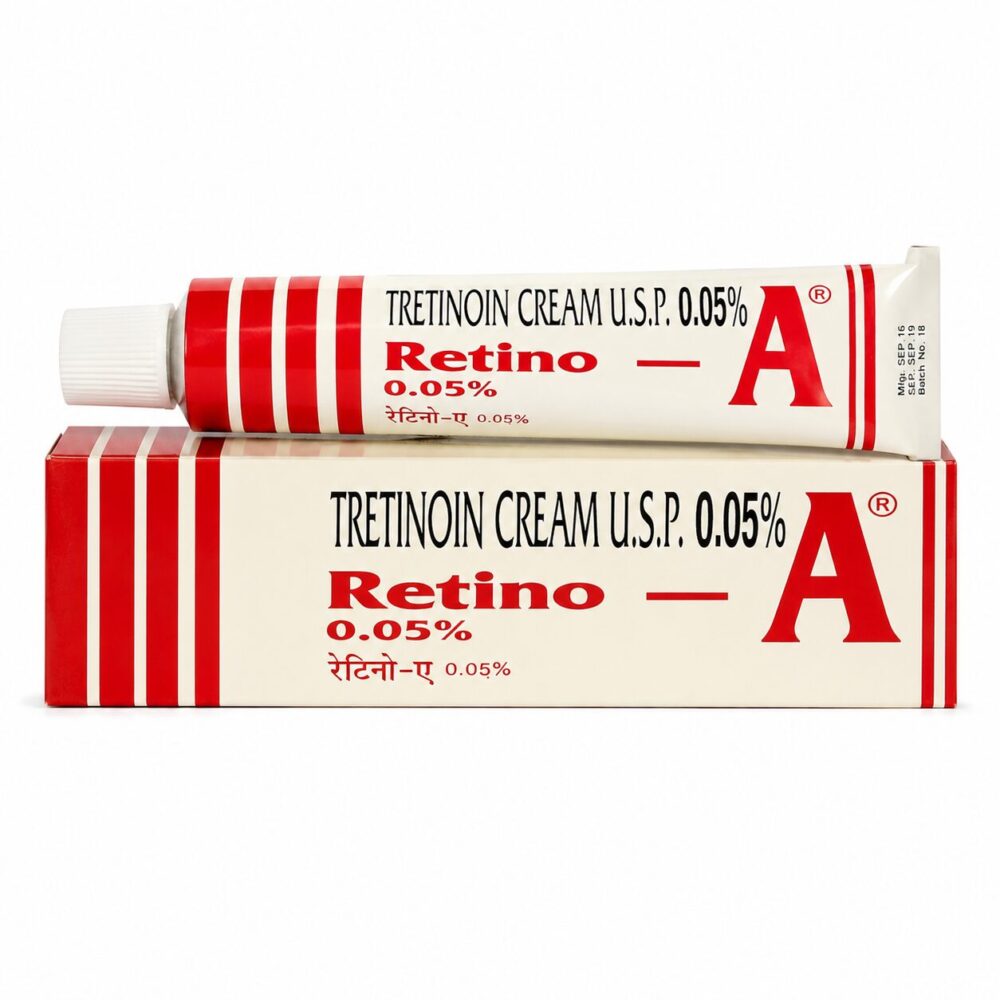
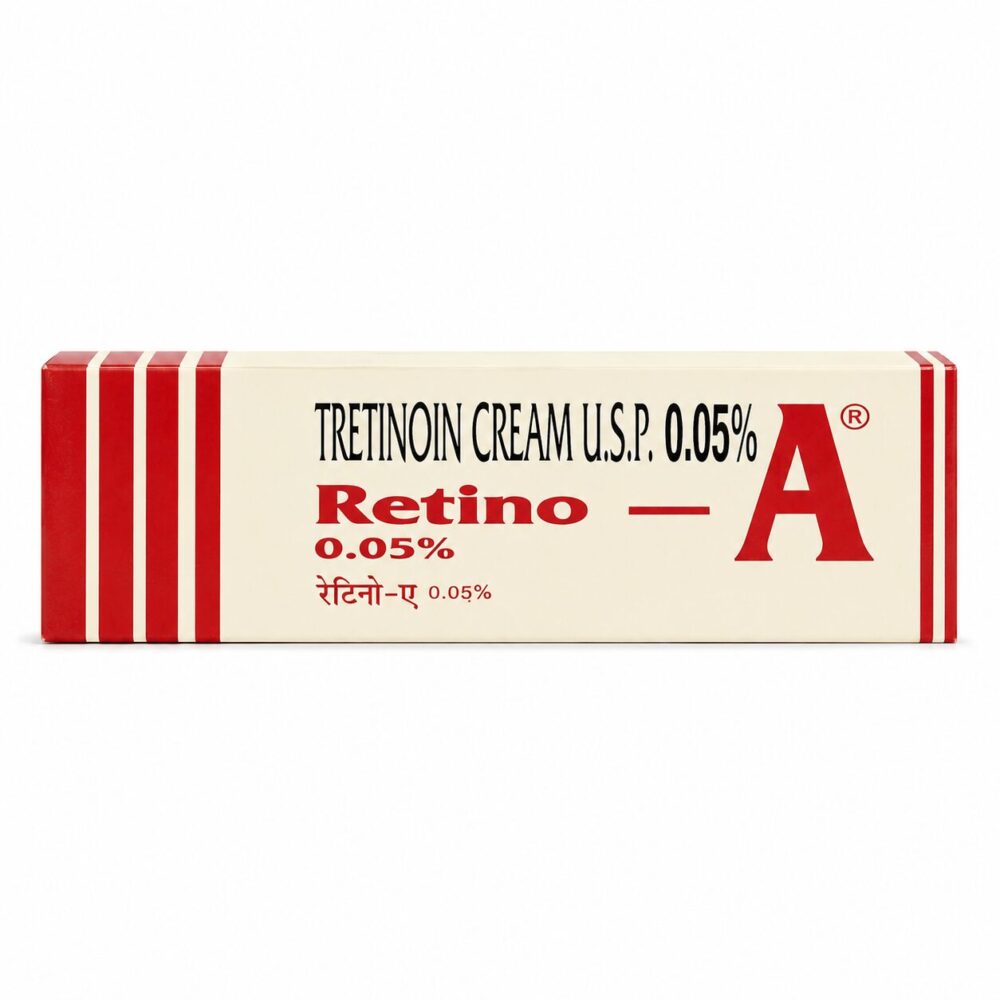
Retino A 0.05% Cream (Tretinoin Cream)
| Active Ingredients | Tretinoin |
| Strength | Tretinoin 0.05% |
| Dosage Form | Topical Cream |
| Therapeutic Category | Skin Care |
| Manufacturer | Johnson & Johnson Pvt Ltd. |
| Packaging | 1 Tube |
| Storage Conditions | Cool and dry place |
| Packaging Type | Plain and discreet |
| Pack Size | Price/Unit | Price | Quantity | |
|---|---|---|---|---|
| 6 Tube/s | $6.66 | $40.00 | ||
| 8 Tube/s | $6.25 | $50.00 | ||
| 10 Tube/s | $6.00 | $60.00 | ||
| 12 Tube/s | $5.83 | $70.00 |
Price range: $40.00 through $70.00
What is Retino A 0.05% Cream?
Retino A 0.05% Cream contains tretinoin, a vitamin A derivative used to treat acne. It speeds up skin cell turnover, helping remove dead skin cells that clog pores and lead to pimples.
With regular use, it helps clear existing acne, prevents new breakouts, and gradually improves skin texture and the appearance of post-acne marks. It is for external use only and should not be applied inside the eyes, mouth, or nose.
Uses of Retino A 0.05% Cream
Retino A 0.05% Cream is primarily used to treat acne vulgaris. It helps keep pores clear, making it effective for people with recurring breakouts.
It may be used for:
- Acne vulgaris
- Blackheads and whiteheads
- Mild to moderate pimples
- Clogged pores
- Acne-prone skin
- Improving the appearance of acne marks over time
Benefits of Retino A 0.05% Cream
Retino A works by promoting healthy skin renewal rather than simply drying out pimples, making it suitable for long-term acne management.
Benefits include:
- Clears clogged pores
- Reduces blackheads and whiteheads
- Helps prevent new acne
- Smooths skin texture
- Improves the appearance of acne marks
- Supports healthy skin renewal
Results vary, but consistent use over several weeks provides the best improvement.
How to Use Retino A 0.05% Cream
Wash and dry the affected skin before applying a thin layer once as directed by your healthcare provider. A small amount is enough—using more will not clear acne faster.
Avoid contact with the eyes, lips, inside the nose, and broken skin. Wash your hands after application unless they are being treated.
Recommended Dosage
Use the cream exactly as prescribed. Some people may begin with less frequent application to allow the skin to adjust before regular use.
Do not apply extra cream or use it more often than recommended, as this can increase irritation without improving results.
Missed Dose
If you miss a dose, apply the next scheduled application as usual.
Do not apply extra cream to make up for the missed dose.
Using Too Much Cream
Applying too much Retino A can cause redness, dryness, peeling, and irritation without speeding up acne treatment.
If excessive cream is applied, gently wash the area with water and continue treatment once the irritation settles.
Side Effects
Common side effects are usually mild and improve as your skin adjusts to treatment.
These may include:
- Dry skin
- Redness
- Mild peeling
- Burning or itching
- Tight skin
- Increased sensitivity to sunlight
Stop using the cream and seek medical advice if you develop severe redness, swelling, blistering, or persistent irritation.
Precautions
Use Retino A only on the affected skin. Avoid applying it to cuts, sunburned skin, eczema, or infected areas.
Protect your skin from sunlight with sunscreen and avoid harsh scrubs, alcohol-based products, or strong exfoliants that may increase irritation.
Drug Interactions
Using Retino A with other acne treatments may increase skin irritation.
Use caution with:
- Benzoyl peroxide
- Salicylic acid
- Sulfur or resorcinol products
- Alcohol-based skincare products
- Strong exfoliating agents
Pregnancy and Breastfeeding
Retino A 0.05% Cream is generally not recommended during pregnancy.
If you are pregnant, planning pregnancy, or breastfeeding, consult your healthcare provider before using this medicine.
Who Should Avoid Retino A 0.05% Cream?
Do not use Retino A if you:
- Are allergic to tretinoin or any ingredient in the cream.
- Have severely damaged, sunburned, or infected skin.
- Have skin conditions that worsen with retinoids unless advised by a dermatologist.
Frequently Asked Questions (FAQs)
Some people notice small changes within a few weeks, but clearer skin often takes 6 to 12 weeks of regular use. The timeline depends on the severity of acne and how consistently the cream is applied.
Retino A 0.05% Cream may help improve the appearance of post-acne marks by supporting skin renewal. Deep acne scars usually need additional treatments for noticeable improvement.
Many treatment plans include daily use, but the frequency depends on how well your skin tolerates tretinoin. Some people begin with fewer applications before moving to regular use.
Mild peeling, dryness, and redness are common when starting tretinoin. These effects often become less noticeable as the skin adjusts to the treatment.
Yes. A gentle, non-comedogenic moisturizer can help reduce dryness and keep the skin comfortable during treatment.
Yes. Tretinoin can make the skin more sensitive to sunlight. Wearing sunscreen and limiting excessive sun exposure can help protect the skin during treatment.
Yes. Makeup can usually be applied after the cream has fully absorbed into the skin. Choosing non-comedogenic products may help reduce the risk of clogged pores.
| Pack Size | 10 Tube/s, 12 Tube/s, 6 Tube/s, 8 Tube/s |
|---|---|
| Price/Unit | $5.83, $6.00, $6.25, $6.66 |
Related products
- + wishlist+ compare
Tretin 0.05% Cream (Tretinoin Cream)
Price range: $50.00 through $85.00Select options - + wishlist+ compare
Tretiheal 0.025% Cream (Tretinoin)
Price range: $45.00 through $80.00Select options - + wishlist+ compare
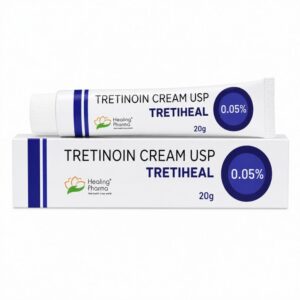
Tretiheal 0.05% Cream (Tretinoin)
Price range: $50.00 through $85.00Select options - + wishlist+ compare
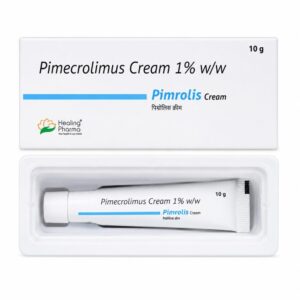
Pimrolis 1% Cream (Pimecrolimus)
Price range: $90.00 through $165.00Select options - + wishlist+ compare
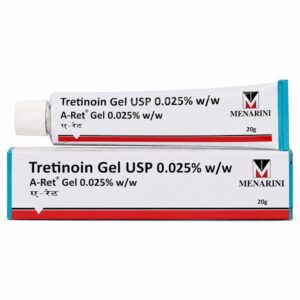
A-Ret 0.025% Gel (Tretinoin Gel)
Price range: $45.00 through $80.00Select options
There are no reviews yet.