
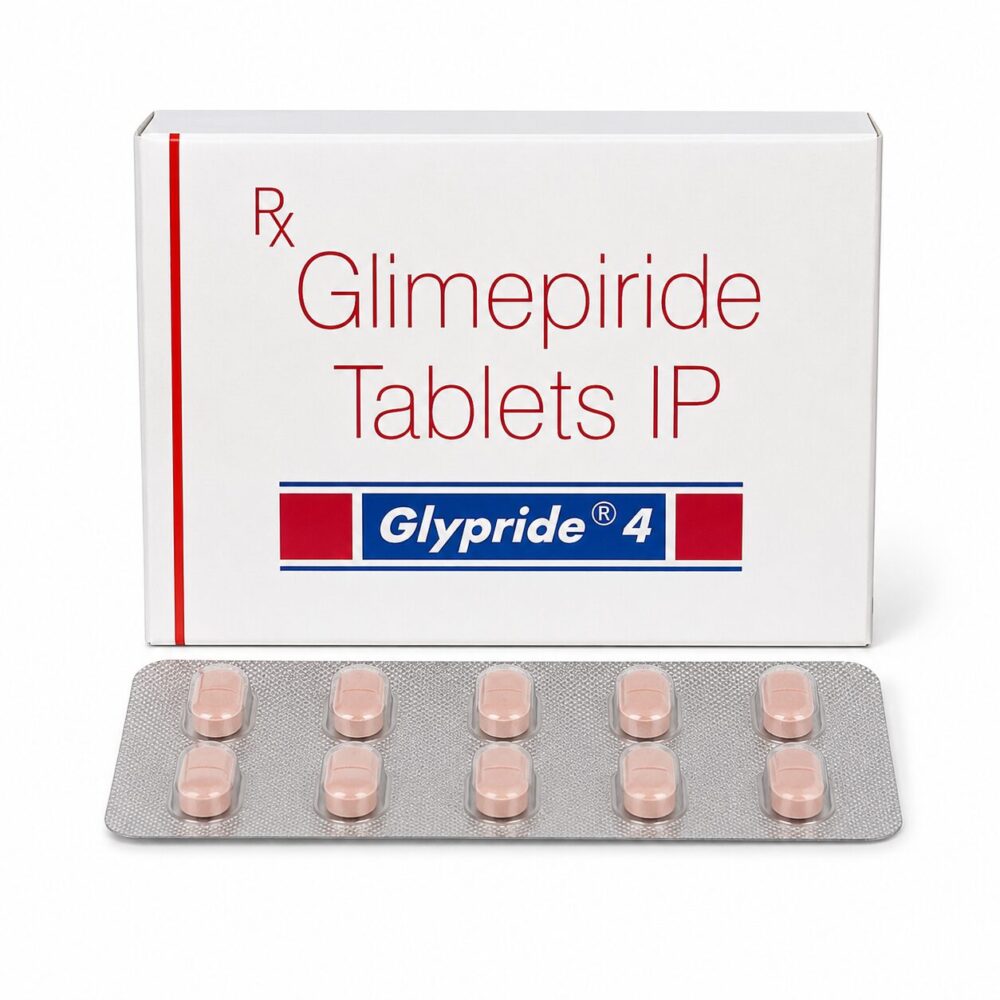
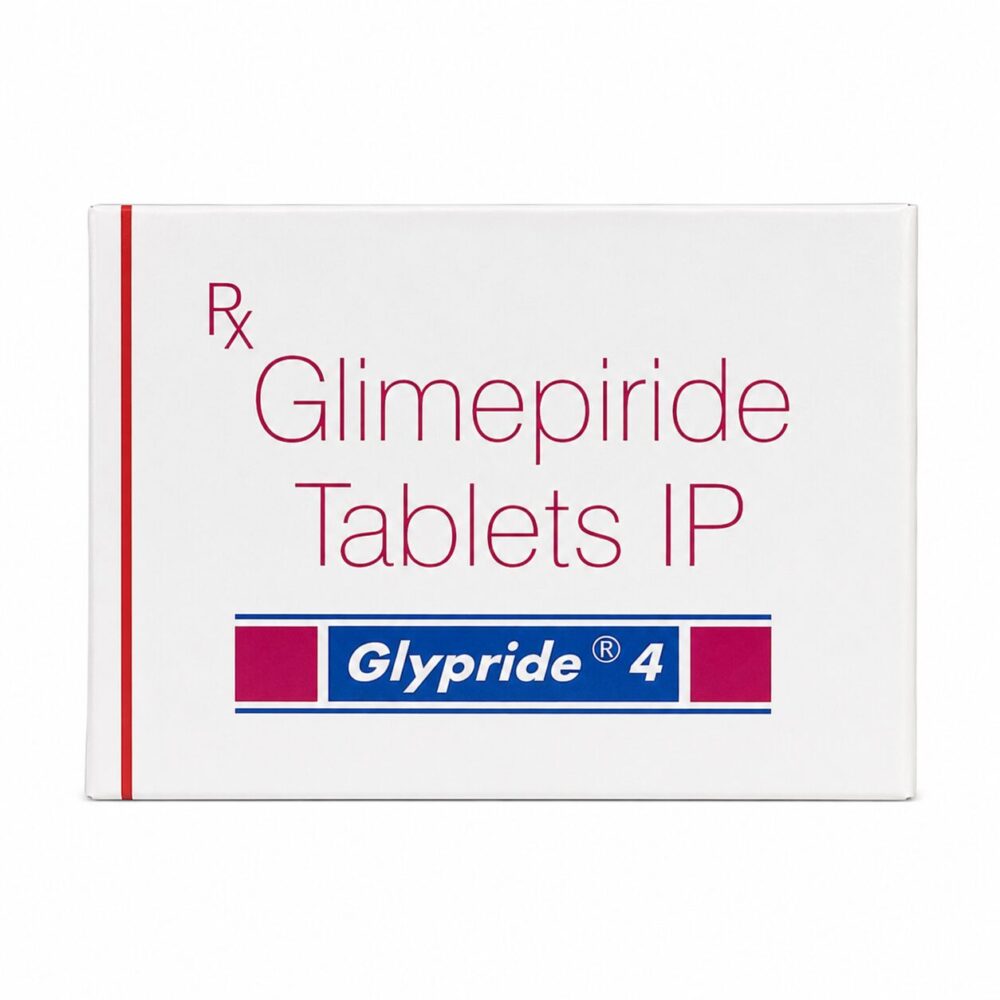
Glypride 4 mg (Glimepiride)
| Active Ingredients | Glimepiride |
| Strength | Glimepiride 4 mg |
| Dosage Form | Tablet |
| Therapeutic Category | Type 2 diabetes |
| Manufacturer | Sun Pharmaceutical Industries Ltd. |
| Packaging | 10 tablets in 1 strip |
| Storage Conditions | Cool and dry place |
| Packaging Type | Plain and discreet |
| Pack Size | Price/Unit | Price | Quantity | |
|---|---|---|---|---|
| 100 Tablet/s | $0.80 | $80.00 | ||
| 200 Tablet/s | $0.75 | $150.00 | ||
| 300 Tablet/s | $0.73 | $220.00 | ||
| 500 Tablet/s | $0.70 | $350.00 |
Price range: $80.00 through $350.00
What is Glypride 4 mg
Glimepiride belongs to a group of medicines used for blood sugar control in adults diagnosed with type 2 diabetes. Glypride 4 mg is generally considered in cases where blood glucose remains high even after dietary control and routine exercise efforts.
Stable sugar control plays a major role in reducing long-term risks linked with diabetes, including nerve damage, kidney issues, eye-related complications, and circulation problems.
Many diabetes treatment plans combine lifestyle management with oral anti-diabetic medicines for better glucose balance throughout the day.
Glypride 4 mg may be prescribed alone or alongside other Diabetes Medicines such as Metformin depending on blood sugar readings and treatment response over time.
Uses of Glypride 4 mg
Glypride 4 mg is mainly prescribed for:
- Type 2 diabetes mellitus
- High blood sugar management in adults
- Combination diabetic therapy with other oral medicines
- Supportive glucose control along with diet and exercise
Type 2 diabetes usually develops when the body cannot properly use insulin or when insulin production becomes lower over time. Uncontrolled sugar levels may slowly affect several organs and body systems. Glimepiride-based treatment plans are often considered when fasting sugar and post-meal sugar readings stay above the recommended range despite lifestyle adjustments.
Some people notice symptoms such as unusual tiredness, increased thirst, blurred vision, frequent urination, or unexplained hunger before diagnosis. Long-term glucose management often includes regular blood sugar testing, meal planning, weight balance, and medication support where needed.
How Glypride 4 mg Helps Control Blood Sugar
Glimepiride encourages the pancreas to release more insulin into the bloodstream. Increased insulin availability allows sugar to move from the blood into body cells where it can be used for energy. Better insulin activity also supports improved glucose usage in muscle and fat tissues.
Another reason Glimepiride remains widely prescribed in type 2 diabetes treatment is its ability to support blood sugar control across different times of the day, especially around meal-related glucose spikes. Blood sugar stability can vary from person to person depending on diet patterns, physical activity levels, body weight, and other medicines being used alongside diabetes treatment.
How to Take Glypride 4 mg
Glypride 4 mg is usually taken before or along with the first major meal of the day. Swallow the tablet with water without crushing or chewing unless different instructions are given during treatment planning.
Daily timing matters in diabetes treatment because missed meals after taking Glimepiride may increase the chance of low blood sugar episodes. Consistent meal timing, regular glucose monitoring, and balanced food intake often help improve treatment response. Skipping breakfast after taking the tablet is generally avoided because sugar levels can fall too low in some individuals.
Dosage Information
Glimepiride tablets are available in multiple strengths including 1 mg, 2 mg, 3 mg, 4 mg, and higher variations depending on market availability. The correct dose varies according to blood glucose readings, diabetes duration, age, diet pattern, liver function, kidney function, and other medicines already being used.
Dose adjustments are sometimes made gradually after reviewing fasting sugar and HbA1c reports. Sudden dose changes without medical guidance may lead to unstable glucose levels or hypoglycemia. Elderly individuals and those with kidney-related concerns often require closer monitoring during dose selection.
Missed Dose Guidance
A missed tablet can usually be taken once remembered if the next scheduled dose is not very close. If the next dose timing is near, the skipped tablet is generally left out and the normal schedule continues.
Doubling the dose to compensate for a missed tablet may increase the risk of low blood sugar symptoms such as sweating, shakiness, dizziness, hunger, confusion, or weakness. Keeping a regular medicine routine and meal schedule often reduces missed-dose situations.
Side Effects of Glypride 4 mg
Common Side Effects
Some users may experience mild or moderate side effects during treatment:
- Nausea
- Stomach discomfort
- Diarrhea
- Vomiting
- Skin rash
- Itching
- Headache
- Dizziness
- Temporary visual disturbance
Blood sugar changes during the initial treatment phase can sometimes affect vision briefly until glucose levels become more stable. Digestive discomfort may also settle after the body adjusts to the medicine.
Low Blood Sugar Symptoms
Hypoglycemia remains one of the more important concerns linked with Glimepiride treatment.
Symptoms may include:
- Sweating
- Fast heartbeat
- Hunger
- Trembling
- Weakness
- Confusion
- Blurred vision
- Sudden tiredness
Skipping meals, alcohol intake, intense exercise, or combining multiple diabetes medicines may increase the chance of low sugar episodes. Carrying glucose tablets or a quick sugar source is often advised during ongoing diabetes management.
Rare but Serious Reactions
Rare reactions can include:
- Severe allergic skin reactions
- Reduced white blood cell count
- Low platelet count
- Liver-related problems
- Severe weakness or fainting
Persistent or unusual symptoms should not be ignored during diabetes treatment monitoring.
Drug Interactions
Medicines That May Increase Sugar-Lowering Effect
Certain medicines may increase the glucose-lowering effect of Glypride 4 mg:
- Insulin
- Metformin
- Aspirin
- Fluconazole
- Miconazole
- ACE inhibitors
- Clarithromycin
- Tetracyclines
Combined use may increase the risk of hypoglycemia in some people. Blood sugar tracking becomes more important during combination treatment.
Medicines That May Reduce Blood Sugar Control
Some medicines may reduce the effect of Glimepiride:
- Thiazide diuretics
- Steroids
- Thyroxine
- Rifampicin
- Phenytoin
- Estrogen-containing medicines
Changes in sugar readings after starting a new medicine should be reviewed carefully during diabetes management planning.
Precautions and Safety Information
Kidney and Liver Concerns
Extra caution may be required in people with kidney or liver-related disorders because blood sugar fluctuations may become harder to control in such cases. Dose changes are sometimes needed after reviewing medical history and blood test reports.
Alcohol Use
Alcohol can interfere with glucose control and may increase the chance of sudden low sugar episodes. Many diabetes care plans recommend limiting or avoiding alcohol intake while using Glimepiride.
Pregnancy and Breastfeeding
Pregnancy-related diabetes management often follows a separate treatment approach. Treatment selection during pregnancy or breastfeeding depends on sugar control needs and medical evaluation.
Allergy Warning
Anyone with a known allergy to Glimepiride or sulfonylurea medicines should avoid Glypride 4 mg unless specifically advised otherwise after medical review.
Overdose Information
Taking more than the prescribed amount may cause severe hypoglycemia. Symptoms may include confusion, sweating, severe weakness, blurred speech, fainting, or seizures in serious cases. Fast medical evaluation becomes necessary if overdose is suspected. Keeping diabetes medicines stored safely away from children helps reduce accidental intake risk.
Frequently Asked Questions (FAQs)
Yes. Glypride 4 mg contains Glimepiride as its active ingredient.
Low blood sugar can occur, especially when meals are skipped, alcohol is consumed, or other anti-diabetic medicines are taken together.
The tablet is generally taken before or with the first major meal of the day for better blood sugar balance.
Combination treatment with Metformin is fairly common in type 2 diabetes management when additional glucose control is needed.
No. Glypride 4 mg is mainly intended for type 2 diabetes mellitus.
| Pack Size | 100 Tablet/s, 200 Tablet/s, 300 Tablet/s, 500 Tablet/s |
|---|---|
| Price/Unit | $0.70, $0.73, $0.75, $0.80 |
Related products
- + wishlist+ compare
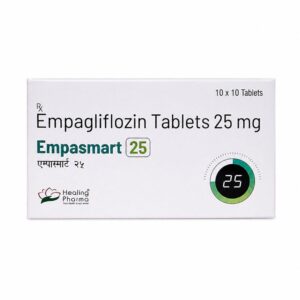
Empasmart 25 mg (Empagliflozin)
Price range: $80.00 through $350.00Select options
There are no reviews yet.