

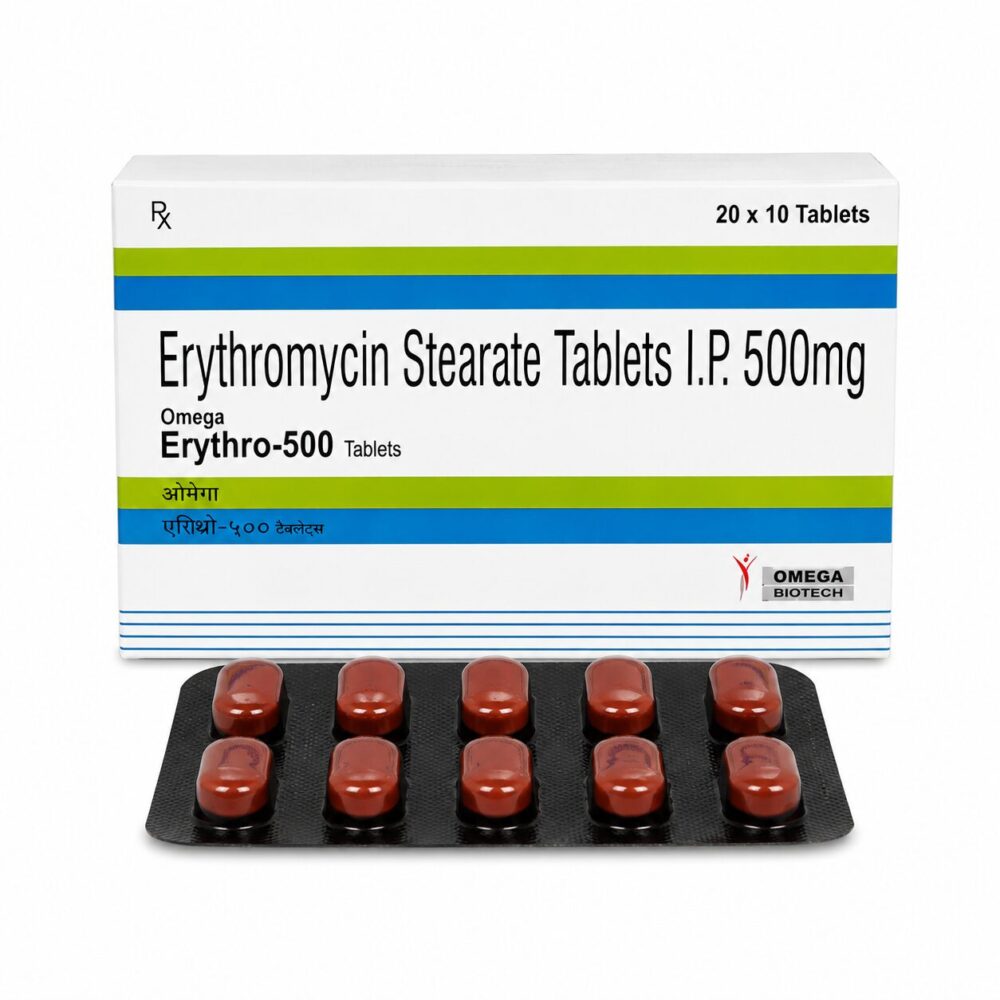
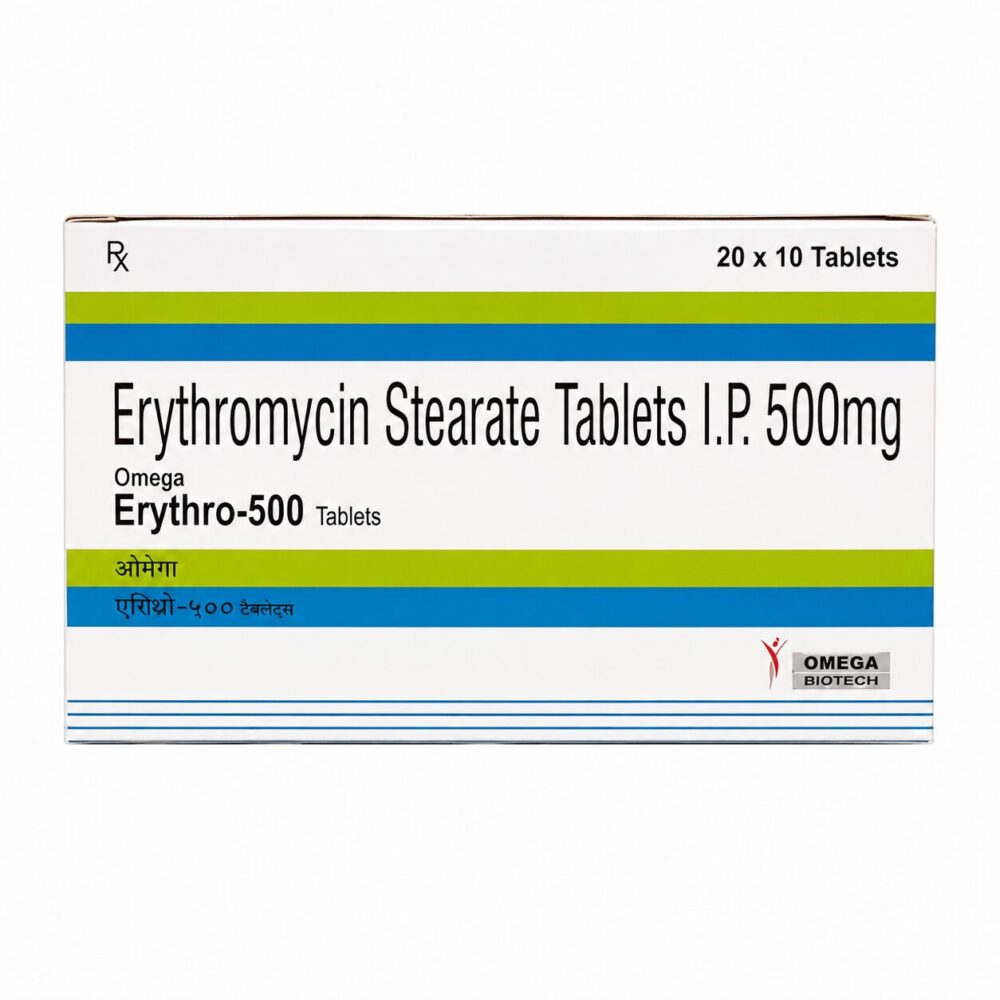
Erythro 500 mg (Erythromycin)
| Active Ingredients | Erythromycin |
| Strength | Erythromycin (500mg) |
| Dosage Form | Tablets |
| Therapeutic Category | Bacterial infections |
| Manufacturer | Omega Pharmaceuticals Pvt Ltd |
| Packaging | 10 tablets in 1 strip |
| Storage Conditions | Cool and dry place |
| Packaging Type | Plain and discreet |
| Pack Size | Price/Unit | Price | Quantity | |
|---|---|---|---|---|
| 100 Tablet/s | $0.70 | $70.00 | ||
| 200 Tablet/s | $0.60 | $120.00 | ||
| 300 Tablet/s | $0.56 | $170.00 | ||
| 500 Tablet/s | $0.46 | $230.00 |
Price range: $70.00 through $230.00
What Is Erythro 500 mg?
Erythro 500 mg contains erythromycin, an Antibiotic used against bacteria-related infections, which us often prescribed for respiratory tract infections, skin infections, acne, throat infections, sinus infections, and certain sexually transmitted infections when suitable. Macrolide antibiotics like erythromycin are known for targeting bacteria that cause inflammation, fever, pain, and infection-related discomfort.
Unlike painkillers that only reduce symptoms, erythromycin focuses on controlling bacterial activity inside the body. Infection type, age, weight, and medical history usually decide the treatment duration and dosage schedule. Some cases require short-term use, while others may need a longer course for proper recovery.
Uses of Erythro 500 mg
Erythro 500 mg is prescribed for several bacterial infections affecting different body systems. Doctors may choose erythromycin when penicillin-based antibiotics are not suitable or when a specific bacterial strain responds better to macrolide treatment.
Common uses include:
- Throat and tonsil infections
- Chest and respiratory tract infections
- Bronchitis and pneumonia
- Ear infections
- Skin and soft tissue infections
- Acne-related bacterial infections
- Sinus infections
- Certain sexually transmitted infections
- Dental infections in selected cases
- Whooping cough support treatment
Acne treatment with erythromycin often requires regular use over several weeks before visible improvement appears. In skin-related conditions, tablets may be combined with topical treatments depending on severity.
How to Take Erythro 500 mg
Erythro 500 mg tablets are usually swallowed with water. Some doctors prefer giving the medicine before meals for better absorption, while certain patients tolerate it better after food if stomach irritation occurs. Daily timing consistency helps maintain stable medicine levels inside the body.
Skipping doses can reduce treatment effectiveness. If one dose gets missed, taking it soon after remembering may help unless the next scheduled dose is already near. Double dosing increases side effect risk and is generally avoided.
Treatment duration varies depending on the infection. Mild infections may clear within days, while deeper bacterial infections may require a longer schedule.
Dosage Information
Dosage depends on the infection type, severity, body weight, and overall medical condition. Adults are commonly prescribed 500 mg once or multiple times daily depending on the diagnosis.
For Respiratory Infections
Chest infections, throat infections, and bronchitis may require regular doses for several days. Severe infections sometimes need higher-frequency dosing schedules.
For Acne Treatment
Acne-related bacterial treatment may continue for several weeks. Improvement usually appears gradually rather than immediately.
For Skin and Soft Tissue Infections
Skin infections often require steady dosing without interruptions to reduce bacterial spread and inflammation.
Side Effects of Erythro 500 mg
Like many antibiotics, Erythro 500 mg can cause side effects in some users. Most reactions remain mild and temporary, though severe reactions are possible in rare situations.
Common side effects include:
- Nausea
- Vomiting
- Stomach discomfort
- Loose stools
- Loss of appetite
- Mild skin rash
- Headache
- Abdominal cramps
Serious Side Effects
Less common but more serious reactions may include severe allergic reactions, liver-related problems, irregular heartbeat, severe diarrhea, or worsening skin reactions. Medical evaluation becomes necessary if symptoms suddenly become intense or unusual.
Digestive discomfort is among the more frequently reported complaints with erythromycin tablets. Taking the medicine exactly as prescribed may help reduce stomach-related issues in some cases.
Drug Interactions
Erythro 500 mg can interact with several medicines, supplements, and medical treatments. Interaction risk increases when multiple medicines affect the liver, heart rhythm, or antibiotic metabolism pathways.
Known interaction risks may involve:
- Amiodarone
- Digoxin
- Bromocriptine
- Cilostazol
- Certain seizure medicines
- Blood thinners
- Cholesterol-lowering medicines
- Other antibiotics
- Live bacterial vaccines
Alcohol intake, smoking habits, herbal products, and caffeine-heavy products may also affect how medicines behave inside the body. Sharing a complete medicine list before starting erythromycin reduces unwanted complications.
Precautions and Warnings
Certain health conditions may require additional caution before starting Erythro 500 mg treatment.
Liver Problems
Since erythromycin is processed through the liver, previous liver disease or abnormal liver function may require dosage adjustments or monitoring.
Heart Rhythm Conditions
Some antibiotics may influence heartbeat rhythm. Anyone with irregular heartbeat history or cardiac rhythm disorders may require careful evaluation before using erythromycin.
Pregnancy and Breastfeeding
Pregnancy or breastfeeding considerations depend on infection severity, treatment need, and medical assessment. Medicine transfer into breast milk may occur in small amounts.
Allergy Concerns
Previous allergic reactions to erythromycin or macrolide antibiotics should be disclosed before starting treatment.
Can Erythro 500 mg Be Used for Acne?
Some dermatologists combine oral erythromycin with topical acne products to improve overall skin management. Long-term antibiotic use without monitoring is generally avoided due to bacterial resistance concerns.
What to Discuss Before Starting Erythro 500 mg
Several medical details can influence whether erythromycin is suitable for treatment.
Topics often discussed before starting include:
- Current medicines and supplements
- Previous antibiotic allergies
- Heart rhythm problems
- Liver disease history
- Pregnancy or breastfeeding status
- Ongoing stomach or intestinal disorders
- Earlier reactions to macrolide antibiotics
Sharing complete medical information helps reduce avoidable treatment complications.
Frequently Asked Questions (FAQs)
Erythro 500 mg is used for bacterial infections involving the throat, lungs, skin, ears, respiratory tract, and acne-related bacterial conditions.
Yes, erythromycin is sometimes prescribed for acne where bacteria contribute to inflammation and breakouts. Improvement may take several weeks.
Some infection symptoms may begin improving within a few days, though completing the prescribed course remains necessary even after feeling better.
Digestive discomfort, nausea, abdominal pain, and diarrhea are among the more commonly reported side effects.
Taking the missed dose soon after remembering may help unless the next scheduled dose is already close. Double doses are usually avoided.
| Pack Size | 100 Tablet/s, 200 Tablet/s, 300 Tablet/s, 500 Tablet/s |
|---|---|
| Price/Unit | $0.46, $0.56, $0.60, $0.70 |
Related products
- + wishlist+ compare
Ciplox 250 mg Tablet (Ciprofloxacin)
Price range: $50.00 through $190.00Select options - + wishlist+ compare
Cifran 250 mg Tablet (Ciprofloxacin)
Price range: $50.00 through $190.00Select options - + wishlist+ compare
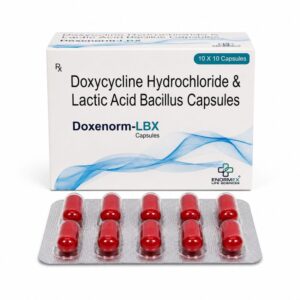
Doxenorm-LBX 100 mg (Doxycycline)
Price range: $80.00 through $220.00Select options - + wishlist+ compare
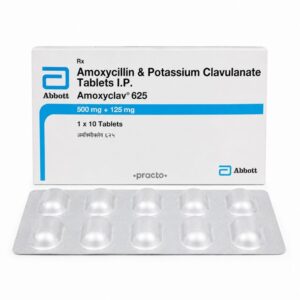
Amoxyclav 625 Tablet (Amoxicillin/Clavulanic Acid)
Price range: $120.00 through $300.00Select options - + wishlist+ compare
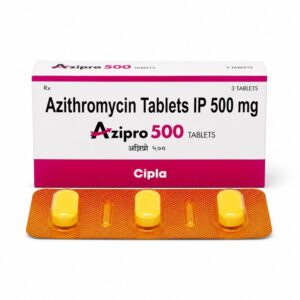
Azipro 500 mg Tablet (Azithromycin)
Price range: $90.00 through $300.00Select options
There are no reviews yet.