
0

Cart

Home 3ShopBlood PressureAngiotensin 5 mg (Lisinopril)

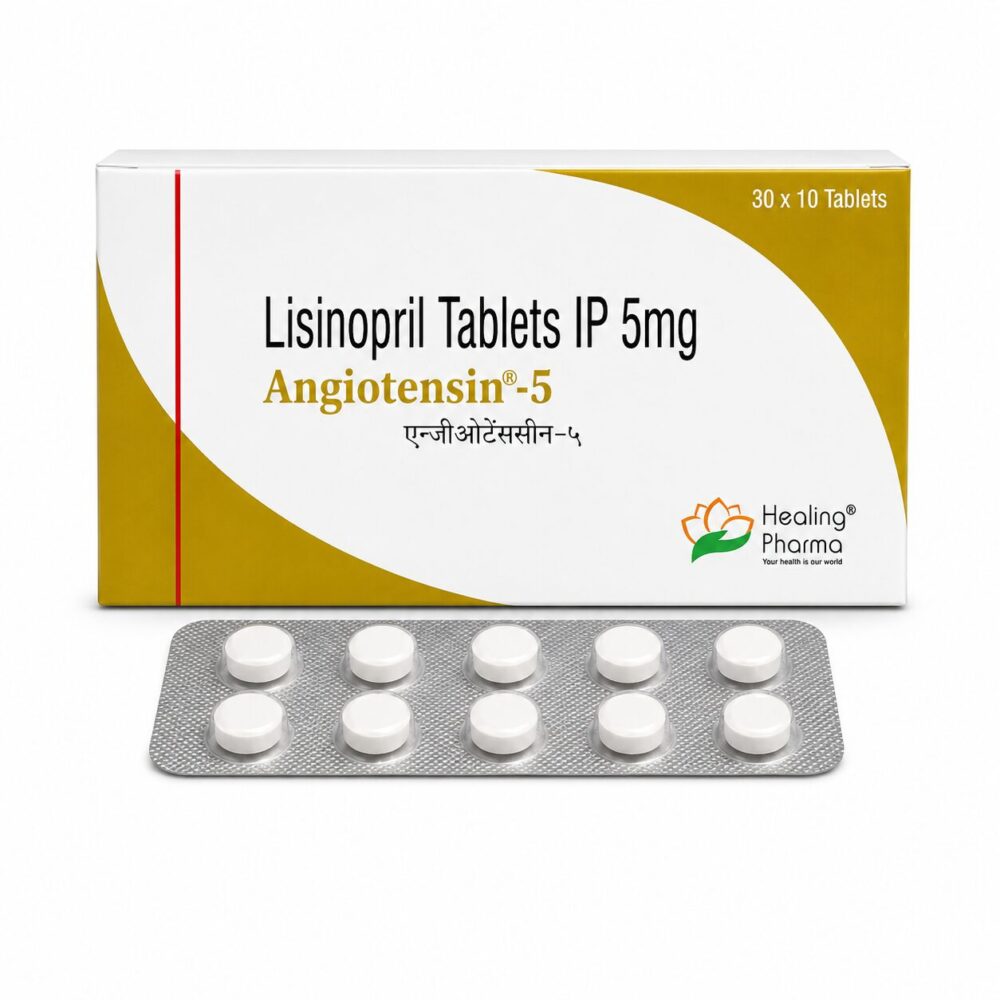
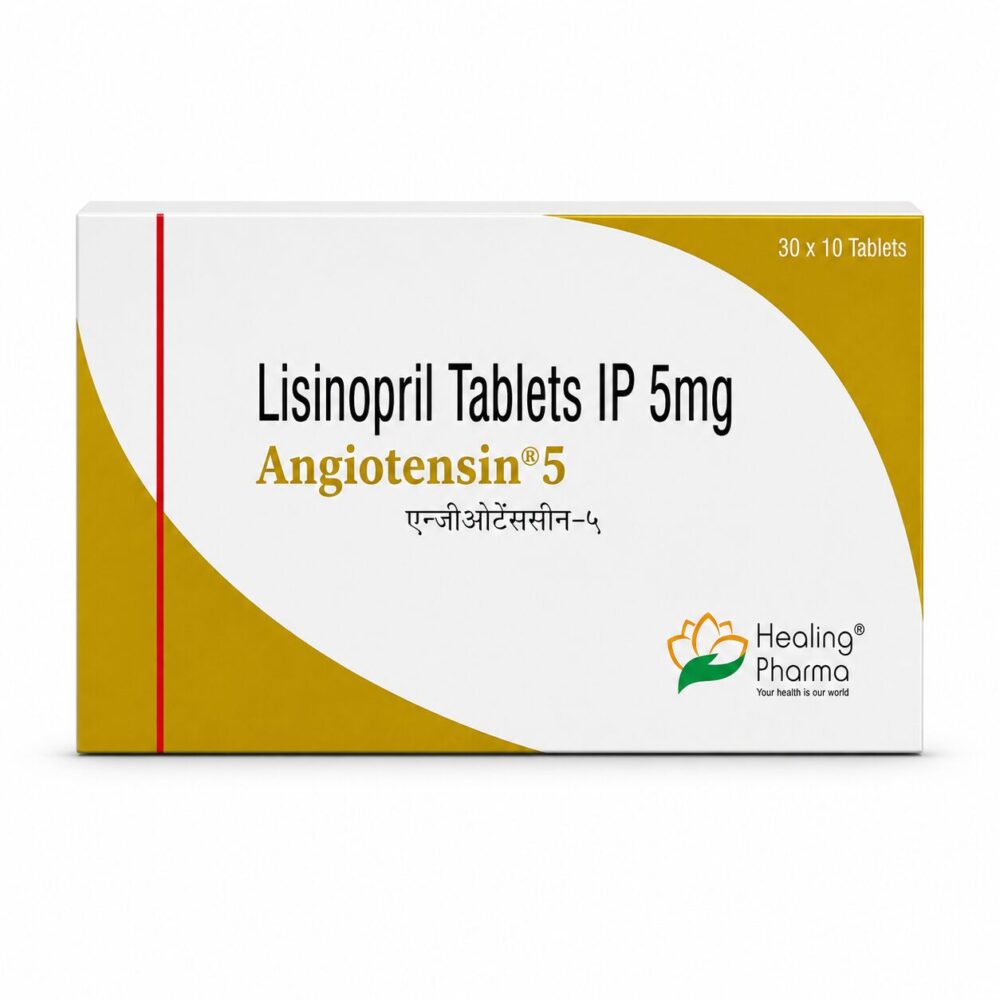
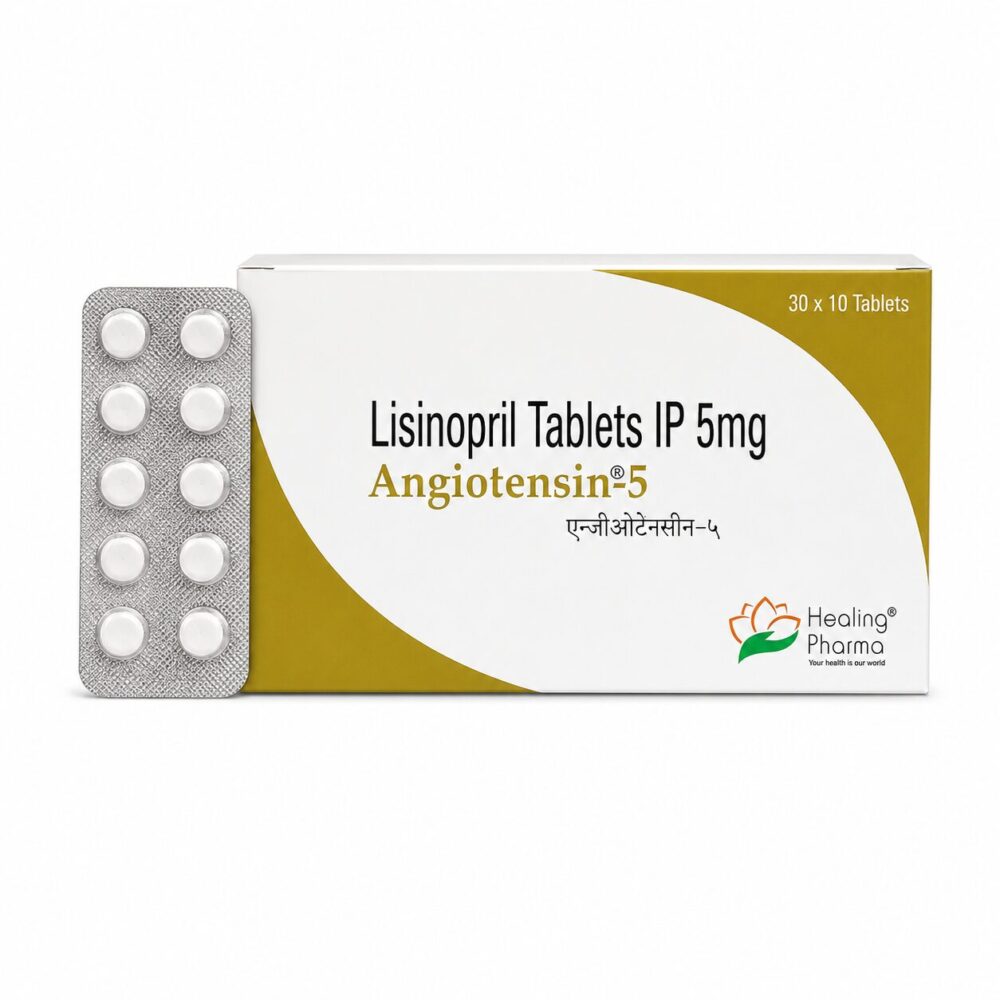
Angiotensin 5 mg (Lisinopril)

Active IngredientsLisinopril
Strength5 mg
Dosage FormTablets
Therapeutic CategoryHigh Blood pressure
ManufacturerHealing Pharma India Pvt Ltd.
Packaging10 tablet in 1 strip
Storage ConditionsCool and dry place
Packaging TypePlain and discreet

Pack SizePrice/UnitPriceQuantity 
90 Tablet/s$0.94$85.00
120 Tablet/s$0.91$110.00
220 Tablet/s$0.77$170.00
350 Tablet/s$0.75$260.00

Price range: $85.00 through $260.00

Discreet Shipping
Secure Checkout
Assured Delivery
Add to wishlist Add to compareAsk about product
SKU: N/A Categories: ,

What is Angiotensin 5 mg used for?

Angiotensin 5 mg is mainly prescribed for controlling hypertension. High Blood Pressure often develops quietly and may damage blood vessels, kidneys, brain, and heart over time. Lowering blood pressure supports smoother blood flow and reduces stress on the cardiovascular system.

Doctors may also include this tablet in treatment plans related to heart failure.

Better circulation helps the heart pump blood more efficiently and can reduce strain linked with long-term cardiac conditions.

Another important use includes recovery support after a heart attack. Blood pressure stabilization and improved heart function are often part of post-heart attack management where Lisinopril-based medicines are considered useful.

Some cases involving kidney protection in diabetic patients may also include ACE inhibitor therapy depending on overall medical evaluation.

How Angiotensin 5 mg helps in blood pressure control

Lisinopril affects a natural chemical process linked with narrowing of blood vessels. Relaxed blood vessels allow blood to move more smoothly, which supports lower blood pressure levels Reduced pressure inside arteries also decreases the workload placed on the heart. Better circulation may support oxygen delivery throughout the body and lower the risk connected with uncontrolled hypertension over long periods.

Regular use is usually needed because blood pressure conditions often continue silently even when symptoms are not noticeable.

Missing doses or stopping suddenly may lead to unstable blood pressure readings again.

How to take Angiotensin 5 mg

  • Take the tablet exactly in the amount prescribed by the doctor.
  • Swallow the tablet whole with water without crushing or chewing it.
  • The medicine can be taken with meals or on an empty stomach.
  • Many people prefer taking it at the same time daily to maintain consistency.
  • Skipping doses may affect blood pressure control.
  • In case a dose is missed, take it when remembered unless the next scheduled dose is very close.
  • Avoid changing the dose on your own, even if blood pressure readings start improving.

Benefits of Angiotensin 5 mg

Some major benefits linked with Angiotensin 5 mg include:

  • Helps lower high blood pressure
  • Supports heart function in heart failure
  • Reduces strain on blood vessels
  • Helps lower the risk of stroke and heart attack
  • Supports circulation after heart attack recovery
  • May help protect kidney function in selected patients

Long-term blood pressure management often supports better cardiovascular stability and lowers the risk of future complications.

Available strengths and substitutes

Angiotensin tablets are available in different strengths depending on treatment needs and blood pressure response.

Common strengths include:
Angiotensin 2.5 mg
Angiotensin 5 mg
Angiotensin 10 mg
Angiotensin 20 mg

Dose selection depends on age, blood pressure levels, heart condition, kidney health, and response to treatment. Doctors sometimes adjust dosage gradually for better control and tolerance.

At GenericRx Online, users can explore different strengths and related Lisinopril options.

Side effects of Angiotensin 5 mg

Common side effects

Some users may notice mild side effects during the early phase of treatment. Many of these settle as the body adjusts.

Possible side effects include:

  • Dry cough
  • Headache
  • Dizziness
  • Weakness
  • Fatigue
  • Vomiting
  • Diarrhea
  • Increased potassium levels

Dizziness can become more noticeable after sudden standing due to blood pressure changes.

When side effects need medical attention

Severe swelling of the face, lips, throat, or difficulty breathing requires urgent medical care. Serious allergic reactions linked with ACE inhibitors are uncommon but possible. Very low blood pressure, severe dehydration, or unusual heartbeat changes also need quick evaluation.

Precautions before using Angiotensin 5 mg

Kidney-related concerns

Kidney function plays an important role during ACE inhibitor treatment. Dose adjustment may be needed in people with reduced kidney function or existing kidney disease. Blood pressure and kidney-related laboratory monitoring may be advised during treatment.

Liver conditions

Any history of liver disease should be discussed before starting therapy. Rare liver-related complications may occur in sensitive individuals.

Yellowing of the skin or eyes needs medical evaluation without delay.

Pregnancy and breastfeeding

Pregnancy exposure to Lisinopril may harm the developing baby, especially during later stages. Breastfeeding safety also remains a concern because small amounts may pass into breast milk.

Alcohol and daily activities

Alcohol may increase dizziness or lightheadedness linked with blood pressure reduction. Driving or operating machinery may feel difficult if drowsiness or dizziness develops during treatment.

Drug interactions

Some medicines can affect how Angiotensin 5 mg works or increase the risk of side effects.

Interactions may occur with:

  • Diuretics or water tablets
  • Potassium supplements
  • Salt substitutes containing potassium
  • NSAID pain relievers
  • Lithium
  • Diabetes medicines
  • Other blood pressure medicines

Sharing a full medication list with the prescribing doctor helps lower interaction risks.

Who should avoid Angiotensin 5 mg?

Certain medical conditions may require avoidance or extra monitoring during treatment.

Avoid use in cases involving:

  • Previous allergy to Lisinopril or ACE inhibitors
  • History of angioedema
  • Severe pregnancy-related risk
  • Severe dehydration without medical correction

Careful evaluation may also be needed in elderly patients or individuals with unstable kidney function.

Frequently Asked Questions (FAQs)


Many adults take the tablet either in the morning or at night depending on blood pressure patterns and doctor guidance. Fixed daily timing usually helps maintain stable medicine levels.


Dry cough is one of the known side effects linked with Lisinopril and other ACE inhibitors. Some users experience mild throat irritation or persistent cough during treatment.


Kidney-related monitoring may be needed during treatment, especially in those with existing kidney disease or dehydration.


It may prescribe it as part of heart failure management plans because reduced blood vessel pressure supports easier blood circulation.


Blood pressure reduction may begin within hours after the dose, though stable long-term control usually develops with regular daily use.


References

  1. https://www.nhs.uk/medicines/lisinopril/
  2. https://medlineplus.gov/druginfo/meds/a692051.html
  3. https://www.heart.org/en/health-topics/high-blood-pressure

Pack Size

120 Tablet/s, 220 Tablet/s, 350 Tablet/s, 90 Tablet/s

Price/Unit

$0.75, $0.77, $0.91, $0.94

There are no reviews yet.

Be the first to review “Angiotensin 5 mg (Lisinopril)”

Your email address will not be published. Required fields are marked *

Error: Contact form not found.