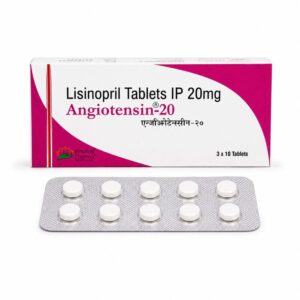

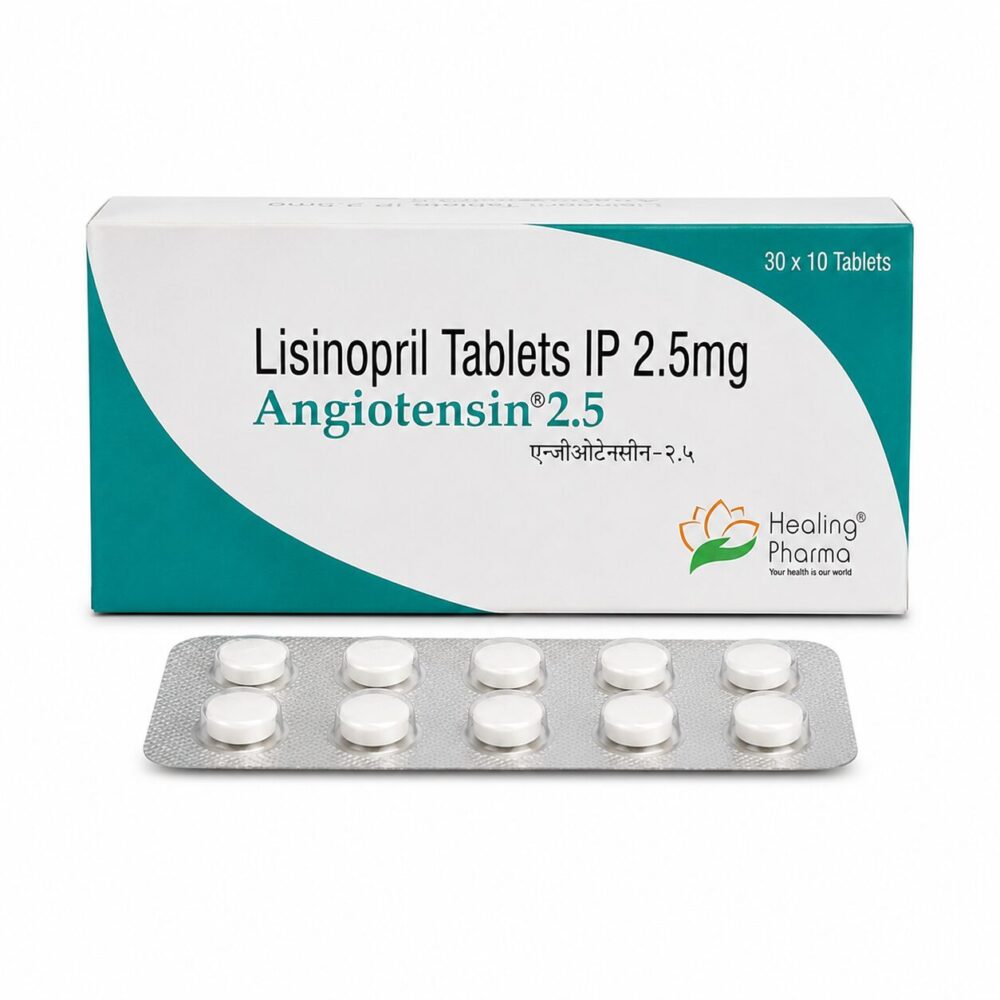
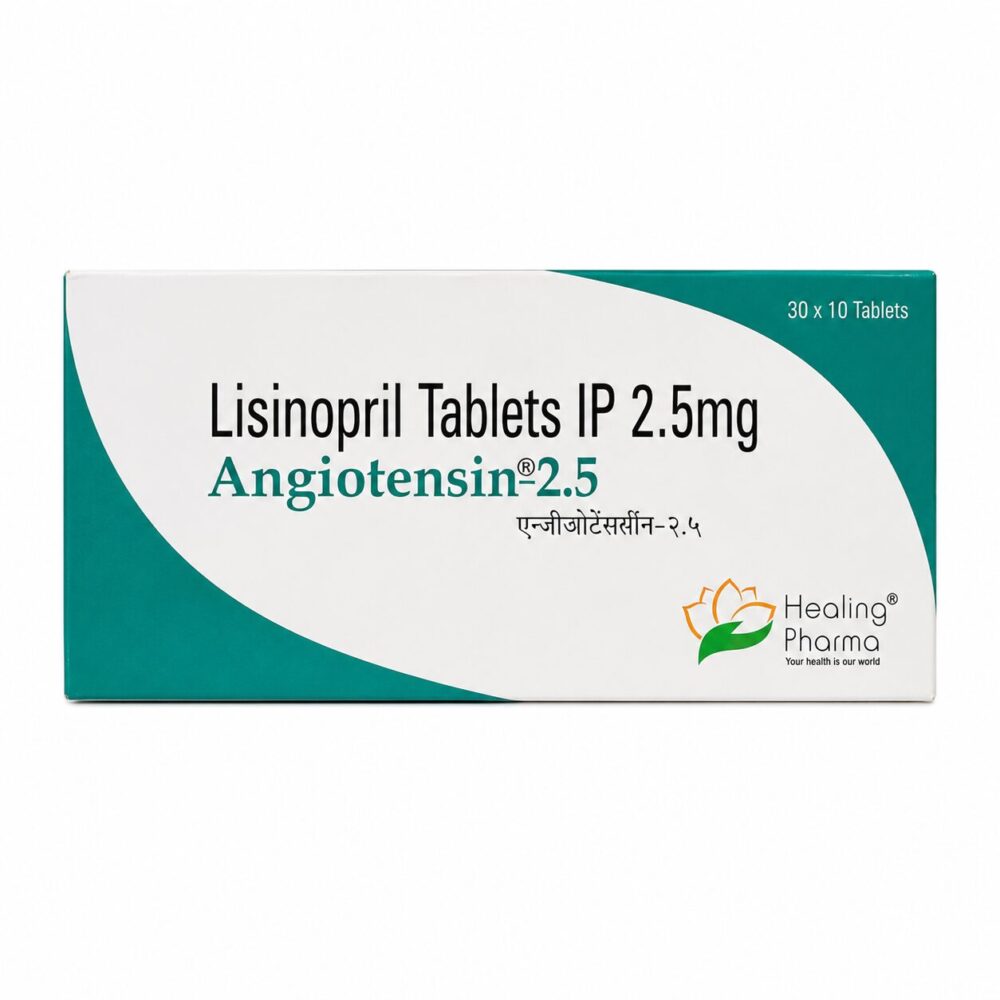
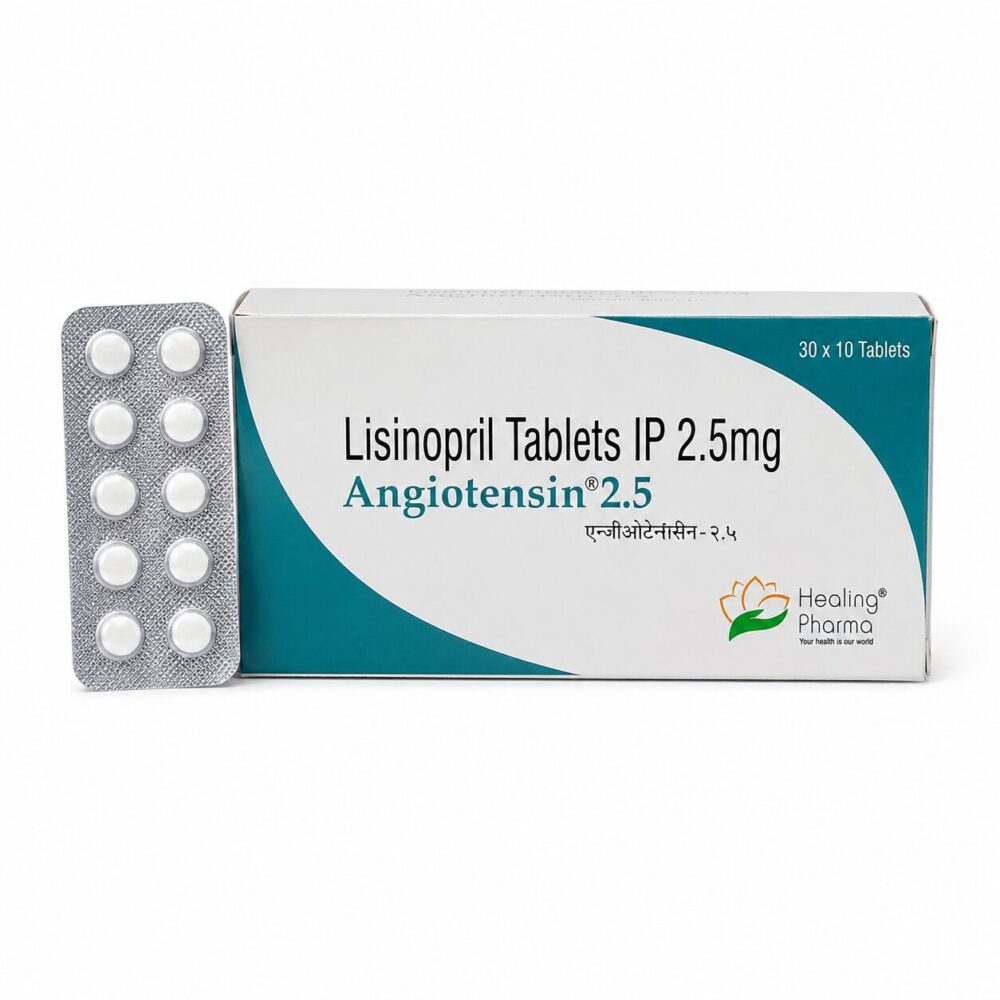
Angiotensin 2.5 mg (Lisinopril)
| Active Ingredients | Lisinopril |
| Strength | 2.5 mg |
| Dosage Form | Tablets |
| Therapeutic Category | High Blood pressure |
| Manufacturer | Healing Pharma India Pvt Ltd. |
| Packaging | 10 tablet in 1 strip |
| Storage Conditions | Cool and dry place |
| Packaging Type | Plain and discreet |
| Pack Size | Price/Unit | Price | Quantity | |
|---|---|---|---|---|
| 90 Tablet/s | $0.88 | $80.00 | ||
| 120 Tablet/s | $0.83 | $100.00 | ||
| 220 Tablet/s | $0.68 | $150.00 | ||
| 350 Tablet/s | $0.65 | $230.00 |
$80.00 – $230.00Price range: $80.00 through $230.00
What is Angiotensin 2.5 mg Used For
Angiotensin 2.5 mg is mainly prescribed for controlling hypertension. Stable blood pressure reduces pressure inside arteries and supports better heart function over time.
It may also recommend this tablet for people facing reduced heart pumping capacity or after certain cardiac events where long-term heart protection becomes necessary. Lowering blood pressure also supports kidney health in many individuals dealing with diabetes or cardiovascular strain.
Reduced pressure inside blood vessels allows smoother circulation and lowers extra workload on the heart. In some treatment plans, Angiotensin 2.5 mg is combined with other blood pressure medicines for stronger control.
Common uses include:
- High blood pressure management
- Heart failure support
- Recovery after heart attack
- Reducing stroke risk
Cardiovascular protection in selected patients
How Angiotensin 2.5 mg Helps the Body
Lisinopril supports Blood Pressure Control by relaxing narrowed blood vessels. Relaxed blood vessels allow blood to pass more freely, which reduces pressure inside arteries and helps the heart pump with less effort.
Reduced strain on the heart may support better oxygen circulation throughout the body. Long-term blood pressure management often lowers the chances of complications linked with uncontrolled hypertension, including damage to the kidneys, eyes, and heart. Blood pressure readings may not improve overnight in every person. Consistent daily dosing and regular monitoring usually help maintain stable results over time.
How to Take Angiotensin 2.5 mg
- Take the tablet exactly in the dose schedule recommended by your doctor.
- Swallow the tablet whole with water without crushing or chewing it.
- Food intake does not usually affect the absorption of this medicine, so it can be taken with or without meals.
- Keeping a fixed timing every day helps maintain steady medicine levels in the body.
- Missing repeated doses may affect blood pressure stability.
- In case a dose is forgotten, the next dose should be taken according to the regular schedule without doubling tablets together.
- Avoid changing dosage strength without medical advice, especially in heart-related conditions or kidney problems.
Dosage Information
The correct dosage depends on blood pressure levels, age, kidney function, and overall cardiovascular condition. Angiotensin 2.5 mg is often used as a starting strength for people beginning ACE inhibitor treatment or for those needing lower-dose therapy.
Higher strengths may be prescribed later if stronger blood pressure control becomes necessary.
Available Strengths
Angiotensin 2.5 mg
Angiotensin 5 mg
Angiotensin 10 mg
Angiotensin 20 mg
Benefits of Angiotensin 2.5 mg
Regular treatment with Angiotensin 2.5 mg may support several long-term cardiovascular benefits when used correctly under prescription guidance.
Key benefits include:
- Helps lower high blood pressure
- Supports healthy blood circulation
- Reduces pressure on the heart
- May lower risk linked with stroke and heart attack
- Helps support heart function after cardiac events
- Useful in selected heart failure treatment plans
Consistent blood pressure management often supports better day-to-day energy levels and lowers stress placed on major organs.
Side Effects of Angiotensin 2.5 mg
Some individuals may notice mild side effects during the early phase of treatment. Many of these effects settle as the body adjusts to the medicine.
Common Side Effects
- Dry cough
- Headache
- Dizziness
- Weakness
- Tiredness
- Diarrhea
- Nausea
- Increased potassium levels
Less Common but Serious Reactions
- Swelling of face or lips
- Severe dizziness
- Difficulty breathing
- Fainting
- Significant drop in blood pressure
Persistent or severe symptoms need medical attention without delay.
Precautions Before Using Angiotensin 2.5 mg
Medical history plays an important role before starting this medicine. Kidney disease, liver problems, dehydration, and previous allergic reactions linked with ACE inhibitors should be discussed with the prescribing doctor.
Kidney Conditions
Reduced kidney function may affect how the body handles Lisinopril. Blood pressure and kidney tests are often monitored during treatment to help maintain safe dosing.
Liver Problems
People with liver-related concerns may require additional monitoring during treatment. Yellowing of skin or unusual fatigue should not be ignored.
Pregnancy and Breastfeeding
Pregnancy exposure may harm the developing baby, especially during later stages of pregnancy. Breastfeeding mothers also need medical evaluation before using this medicine.
Alcohol Use
Alcohol intake may increase dizziness or sudden blood pressure drops. Limiting or avoiding alcohol is often recommended during treatment.
Drug Interactions
Certain medicines and supplements may change the effect of Angiotensin 2.5 mg or increase side effect risks.
Medicines That May Interact
- Potassium supplements
- Diuretics or water tablets
- Pain relief medicines like NSAIDs
- Other blood pressure medicines
- Lithium
- Diabetes medicines
Sharing a complete medicine list with the prescribing doctor helps reduce interaction risks.
Who Should Avoid Angiotensin 2.5 mg
Angiotensin 2.5 mg may not suit everyone. Extra caution is needed in:
- Severe kidney disease
- History of angioedema
- Pregnancy
- Severe dehydration
- Very low blood pressure
- Allergy to Lisinopril or ACE inhibitors
Frequently Asked Questions (FAQs)
Angiotensin 2.5 mg is prescribed for high blood pressure, heart failure support, and reducing cardiovascular strain after certain heart conditions.
Dry cough is one of the known side effects linked with Lisinopril-based medicines. Medical review may be needed if the cough becomes troublesome.
Some people notice improvement within a few hours, while full blood pressure control may take a few weeks of regular dosing.
Food does not usually affect absorption, so the tablet can be taken with or without meals.
Older adults may use this medicine under dose monitoring, especially when kidney function or multiple medicines are involved.
Kidney monitoring is often done during treatment because dosage adjustments may be required in some individuals.
Sudden discontinuation may affect blood pressure control. Dose changes should only happen after medical review.
| Pack Size | 120 Tablet/s, 220 Tablet/s, 350 Tablet/s, 90 Tablet/s |
|---|---|
| Price/Unit | $0.65, $0.68, $0.83, $0.88 |
Related products
- + wishlist+ compare
Lonitab-10 (Minoxidil)
$150.00 – $300.00Price range: $150.00 through $300.00Select options - + wishlist+ compare
Lonitab-5 (Minoxidil)
$120.00 – $255.00Price range: $120.00 through $255.00Select options - + wishlist+ compare
Aten 25 mg (Atenolol)
$65.00 – $145.00Price range: $65.00 through $145.00Select options - + wishlist+ compare
Aten 100 mg (Atenolol)
$75.00 – $175.00Price range: $75.00 through $175.00Select options - + wishlist+ compare
Angiotensin 20 mg (Lisinopril)
$110.00 – $320.00Price range: $110.00 through $320.00Select options


There are no reviews yet.