

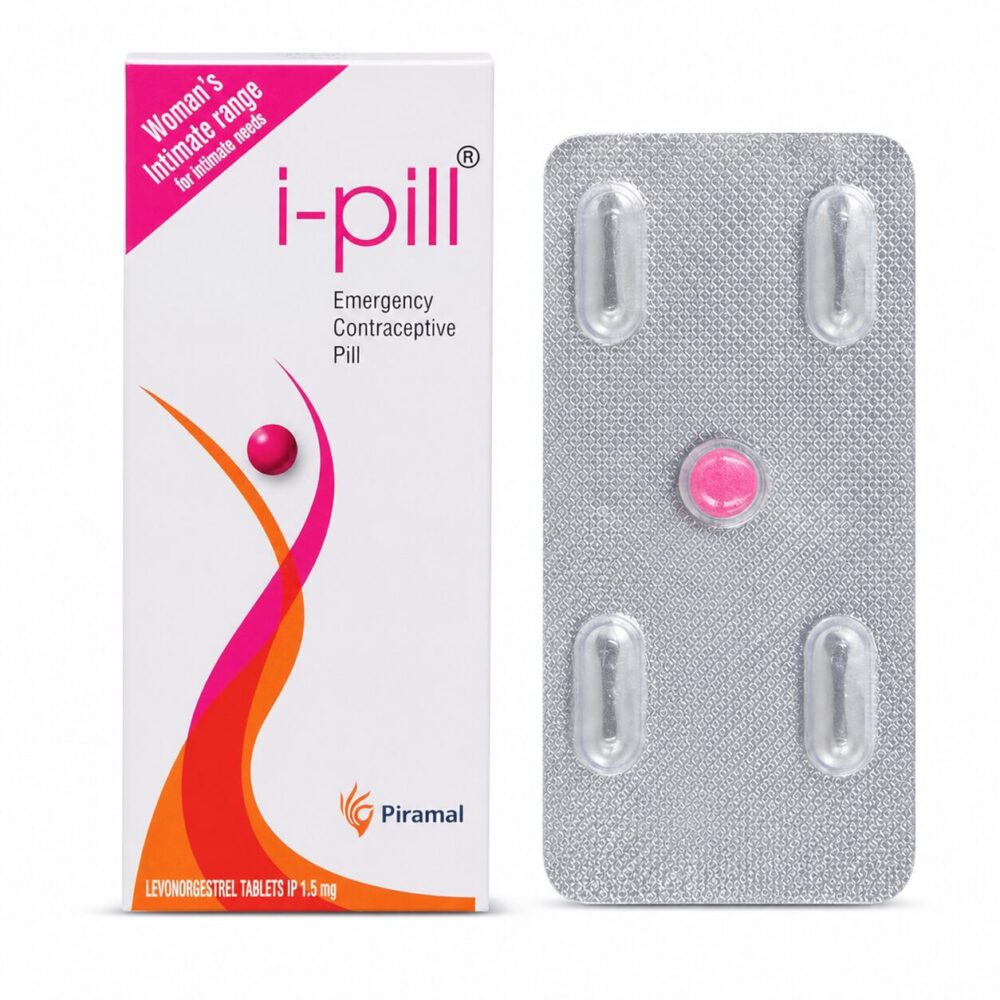
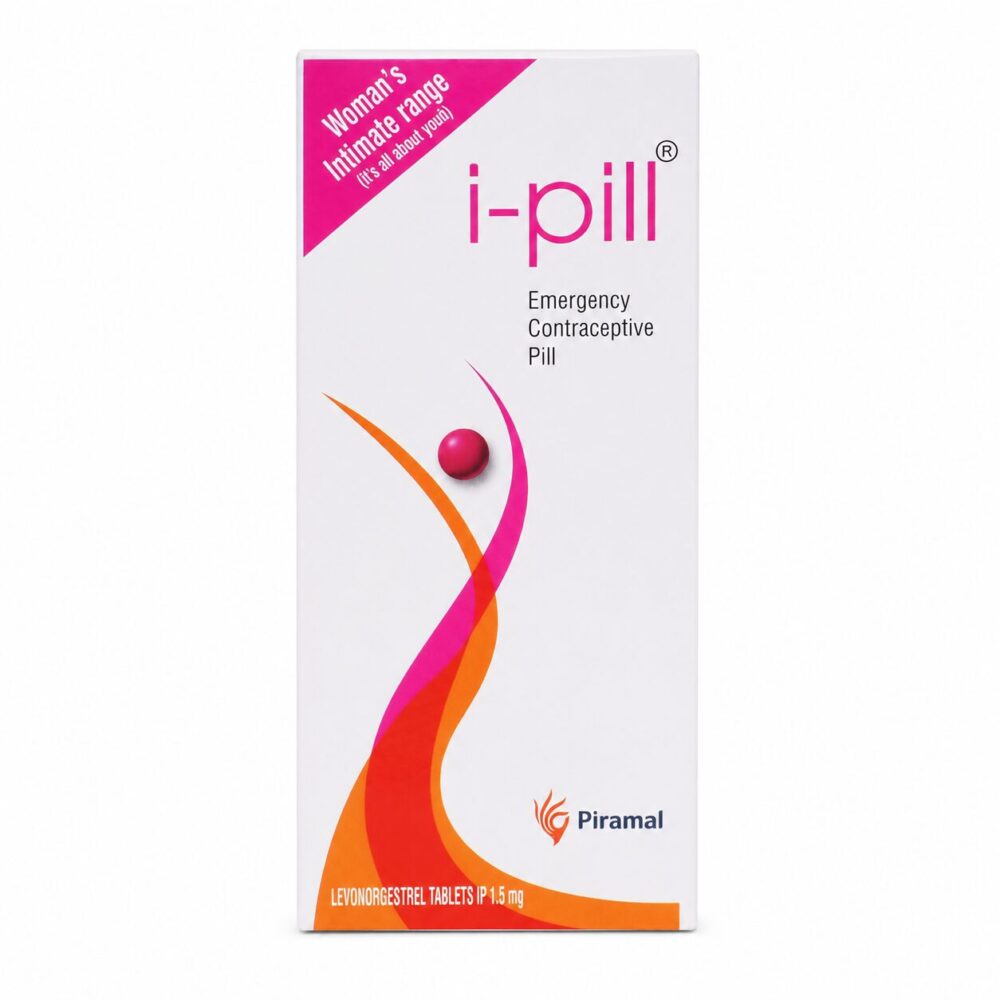
i-pill 1.5 mg (levonorgestrel)
| Active Ingredients | levonorgestrel |
| Strength | 1.5 mg |
| Dosage Form | Tablets |
| Therapeutic Category | Contraception |
| Manufacturer | Piramal Pharma Ltd. |
| Packaging | 1 tablet in 1 strip |
| Storage Conditions | Cool and dry place |
| Packaging Type | Plain and discreet |
| Pack Size | Price/Unit | Price | Quantity | |
|---|---|---|---|---|
| 6 Tablet/s | $7.50 | $45.00 | ||
| 8 Tablet/s | $6.87 | $55.00 | ||
| 10 Tablet/s | $6.50 | $65.00 |
Price range: $45.00 through $65.00
What Is I-Pill 1.5 mg?
I-Pill 1.5 mg is a hormonal emergency contraceptive designed for situations where regular protection failed or no contraception was used during intercourse.
The tablet contains Levonorgestrel, a well-known progestin used in emergency pregnancy prevention worldwide. The medicine is usually taken as a single tablet within 72 hours after unprotected sex. Earlier intake improves the success rate.
Many women keep emergency contraception available for unexpected situations such as missed oral contraceptive doses, condom leakage, or timing mistakes during fertility tracking. I-Pill 1.5 mg does not protect against sexually transmitted infections or HIV. It also does not function as an abortion pill. Pregnancy already established before taking the tablet remains unaffected.
Uses of I-Pill 1.5 mg
- Emergency contraception after unprotected intercourse
- Support after condom breakage or slippage
- Backup option after missed contraceptive pills
- Pregnancy prevention after contraceptive failure
- Emergency protection during fertility miscalculation
How I-Pill 1.5 mg Helps Prevent Pregnancy
Levonorgestrel affects the hormonal process linked with ovulation and fertilization. The tablet may delay or stop egg release from the ovary during the fertile phase of the menstrual cycle. In some cases, movement of sperm and egg inside the reproductive tract may also get affected. Changes in the uterine lining can reduce the possibility of implantation if fertilization has already happened. Timing plays a major role here. Delayed intake lowers the effectiveness rate, which is why emergency contraceptive tablets are generally taken as early as possible. The medicine is not useful once pregnancy has already started.
How to Take I-Pill 1.5 mg
- One tablet is usually taken orally with water after unprotected intercourse. Most women take the tablet within 24 hours for better effectiveness, though the approved usage window extends up to 72 hours.
- Food is optional, though some prefer taking it after a light meal if stomach discomfort occurs easily. Vomiting within a few hours after intake may reduce effectiveness, and another dose could be required depending on timing.
- Regular contraceptive protection should continue after using emergency contraception since I-Pill 1.5 mg is not designed for routine daily prevention.
Best Time to Take I-Pill
Emergency contraceptive tablets perform better when taken early. Many healthcare references mention the first 12 to 24 hours as the most effective period.
- Within 24 hours highest success rate
- Within 48 hours effectiveness remains good
- Within 72 hours reduced effectiveness compared to earlier use
- Delayed intake beyond the recommended time window may not provide reliable pregnancy prevention.
Benefits of I-Pill 1.5 mg
- Single-tablet emergency contraception
- Easy oral administration
- Useful after accidental contraceptive failure
- No daily dosing schedule
- Widely recognized Levonorgestrel formulation
- Convenient for urgent situations
Side Effects of I-Pill 1.5 mg
Common Side Effects
- Nausea
- Headache
- Dizziness
- Lower abdominal discomfort
- Tiredness
- Breast tenderness
- Mild spotting
- Delayed or early periods
- Vomiting
- Diarrhea
Less Common Reactions
- Heavy bleeding
- Severe stomach pain
- Swelling of face or lips
- Breathing difficulty
- Sudden weakness
Most reactions settle naturally within a short period. Menstrual timing changes are fairly common after emergency contraception use.
Precautions Before Using I-Pill 1.5 mg
Pregnancy
Emergency contraceptive tablets are not intended for confirmed pregnancy. Existing pregnancy is not terminated by Levonorgestrel tablets.
Breastfeeding
Small amounts of the medicine may pass into breast milk. Some women prefer taking the tablet immediately after feeding to reduce infant exposure.
Liver Disorders
Liver disease or severe hepatic impairment may affect suitability. Medical evaluation becomes necessary in such situations.
Menstrual Changes
Next periods may arrive earlier or later than usual. Mild spotting between cycles can also happen for a short duration.
Routine Birth Control
Repeated use in the same cycle is not considered a replacement for regular contraception methods like oral contraceptive pills, copper-T, or condoms.
Drug Interactions
Certain medicines may lower the effectiveness of Levonorgestrel emergency contraception.
- Medicines That May Interact
- Anti-seizure medicines
- Rifampicin and some antibiotics
- HIV treatment medicines
- Herbal supplements containing St. John s Wort
- Some antifungal medicines
Sharing current medication details while ordering from GenericRx Online may help avoid unwanted interaction-related issues.
Who Should Avoid I-Pill 1.5 mg?
Avoid use in the following situations unless medical evaluation says otherwise:
- Allergy to Levonorgestrel
- Confirmed pregnancy
- Unexplained vaginal bleeding
- Severe liver disease
- Previous hormone-sensitive cancer history
- Severe arterial disorders
Missed Dose and Overdose
Missed Dose
Single-dose emergency contraception usually does not involve repeated scheduled dosing. Delayed intake after unprotected intercourse can reduce effectiveness significantly.
Overdose
Extra tablets generally do not improve pregnancy prevention. Nausea, vomiting, or menstrual irregularities may become stronger after excess intake.
Can I-Pill Be Used Regularly?
Emergency contraceptive pills are designed for occasional urgent situations. Frequent use during the same cycle may disturb normal hormonal balance and menstrual timing. Women looking for long-term contraception usually prefer daily oral contraceives, intrauterine devices, injectable contraception, or barrier methods depending on lifestyle and reproductive planning.
Frequently Asked Questions (FAQs)
The tablet is generally taken within 72 hours after unprotected intercourse. Earlier use improves effectiveness.
No. Emergency contraceptive tablets do not terminate established pregnancy.
Temporary hormonal changes may alter the next menstrual cycle, though future fertility usually remains unaffected.
Yes. Menstrual timing changes are fairly common after emergency contraception use.
Repeated use is possible in emergency situations, though regular contraception methods are considered more reliable for ongoing pregnancy prevention.
No. Emergency contraception only lowers pregnancy risk and does not protect against sexually transmitted infections.
Vomiting shortly after intake may reduce absorption. Another tablet may be needed depending on timing.
| Pack Size | 10 Tablet/s, 6 Tablet/s, 8 Tablet/s |
|---|---|
| Price/Unit | $6.50, $6.87, $7.50 |
Related products
- + wishlist+ compare
Enclomisign 50 mg (Enclomiphene)
Price range: $55.00 through $105.00Select options - + wishlist+ compare
Deviry SR 30 mg (Medroxyprogesterone acetate)
Price range: $55.00 through $105.00Select options
There are no reviews yet.